Hauling broken concrete, asphalt, and rock off a job site burns fuel, truck hours, and tipping fees, and then you turn around and buy crushed base material back. A track jaw crusher lets you process that material where it sits and reuse it on the spot. Not every operation needs one, though. Here is how to tell when crushing on site starts paying for itself.
What a Track Jaw Crusher Does
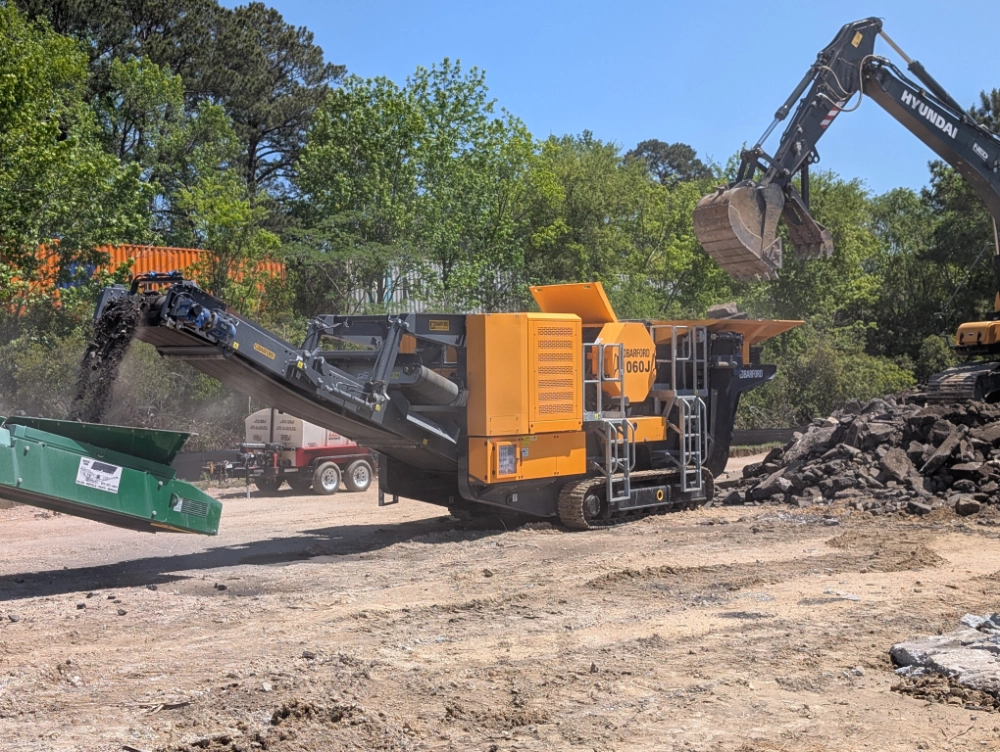
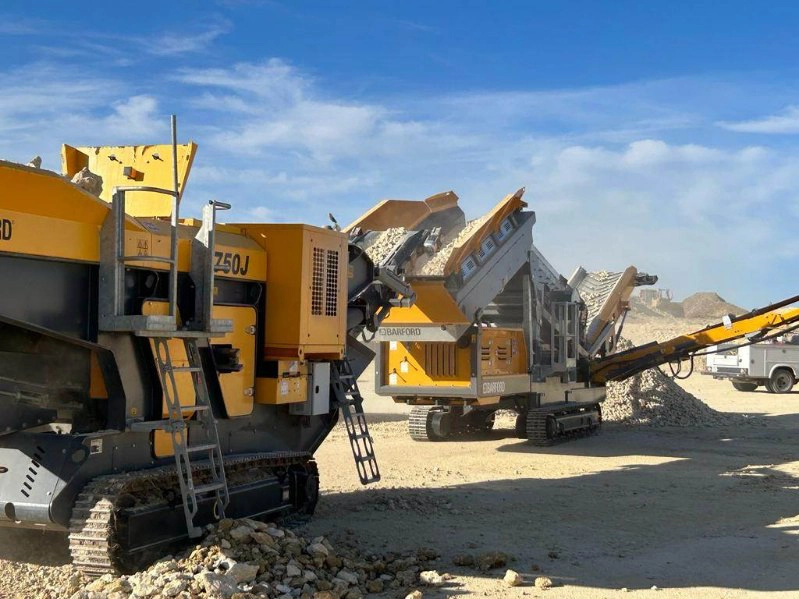
A track jaw crusher is a primary crusher built to break down hard material. Two jaw plates, one fixed and one moving, squeeze rock, concrete, and asphalt until it fractures into sized product that drops onto a discharge conveyor. The whole machine rides on a tracked chassis, so you drive it around the site and crush where material piles up instead of trucking everything to one spot. For contractors and recyclers, that means turning demolition debris and rock into reusable product without leaving the job.
Signs It Is Time to Crush On Site
A few clear signals tell you an operation has outgrown hauling:
- You are paying to truck broken concrete, asphalt, or rock off site, load after load.
- You are buying back crushed stone or base material you could be producing yourself.
- Hauling and tipping fees are eating into billable hours and tying up trucks.
- You have steady demolition, land clearing, or rock volume, not a one-time cleanup.
- You want to turn waste material into sellable recycled aggregate.
What You Can Crush
Track jaw crushers handle the heavy, abrasive material that scalping and trommel screens are not built to break. Demolition concrete, reclaimed asphalt, brick, block, and natural rock all feed a Barford crusher and come out as sized, reusable product. Recyclers put that output back to work as fill, road base, or sellable aggregate, which turns a disposal cost into a revenue line.
Matching the Crusher to Your Volume
Sand Science runs two track jaw crushers, and the right one comes down to how much material you move and how tight your sites are.
| Factor | Barford 750J | Barford 1060J |
|---|---|---|
| Jaw opening | 28″ x 20″ | 40″ x 24″ |
| Capacity | Up to 150 TPH | Up to 250 TPH |
| Power | Dual power CAT diesel-electric; runs on diesel or plugs into 480V mains | Dual power CAT diesel-electric, built for heavier continuous feed |
| Mobility | Compact; legal lowboy load with limited permits | Full-size tracked; repositions around active work |
| Best for | Mid-size crews, tighter sites, mixed demolition | High-volume rock and recycling operations |
| Notable option | RS upgrade adds a double-deck onboard screener | Dust suppression and auto feed system |
If you are not sure which size fits, Sand Science can match the machine to your material and your monthly volume.
Pairing a Crusher With a Screen
A crusher rarely works alone. Running a scalping screen ahead of the crusher pulls dirt and fines out of the feed so you are only crushing what needs crushing, which protects the jaws and keeps throughput up. A trommel screen on the back end sizes the crushed product into clean, saleable fractions. The Barford 750J RS builds a double-deck screener right onto the crusher, so a smaller operation can scalp and crush in one machine. For how the two screen types differ, see our breakdown of trommel versus scalping screens.
Buy or Rent
Both paths are open. Rent a crusher for project work, peak loads, or to prove out the numbers before you commit. Buy when you have steady volume and want the machine on hand, with financing available to spread the cost. Either way, you are processing material instead of paying to move it.
Frequently Asked Questions
What can a track jaw crusher process?
Demolition concrete, reclaimed asphalt, brick, block, and natural rock. The crusher reduces them into sized product you can reuse as fill, base, or sellable aggregate.
How much material can a Barford crusher handle per hour?
The Barford 750J runs up to 150 TPH and the larger Barford 1060J up to 250 TPH, depending on the material and settings.
Do I need a screen along with my crusher?
Usually yes. A scalping screen ahead of the crusher removes dirt and fines, and a trommel sizes the output. The Barford 750J RS includes a double-deck onboard screener if you want both functions in one machine.
Can I move a track jaw crusher between job sites?
Yes. Both Barford crushers ride on tracked chassis. The compact 750J travels on a standard legal lowboy load with limited permits.
Is crushing on site cheaper than hauling material off?
Often, once you add up hauling, truck time, tipping fees, and buying crushed base back. Crushing on site keeps the material and the cost on your own job.
Can I rent a crusher instead of buying one?
Yes. Sand Science offers both sales and rentals on its crushers, with financing available on purchases.
A track jaw crusher earns its keep when hauling costs and material purchases start stacking up. If your operation is moving enough concrete, asphalt, or rock to feel it, Sand Science can match a Barford crusher to your volume, whether you buy or rent. Reach out for a quote and talk it through with an equipment expert.