RECYCLING EQUIPMENT · SALES · RENTALS · SUPPORT · SOUTHEASTERN USA
Industrial Recycling Equipment & Machinery
Recycling equipment turns demolition debris, concrete, and yard waste into salable material. Sand Science Inc. matches crushers, screens, and sorting gear to your volume, site, and budget.
Recycling Equipment for Construction, Demolition, and Yard Waste Streams
Every load you haul off site costs you twice, once in trucking and once in tipping fees. Recycling equipment reverses that math by processing material where it lands. Concrete and asphalt get crushed back into base rock. Brush, stumps, and green waste get screened into mulch and compost. Mixed C&D gets sorted into clean commodity streams instead of going to the landfill as one expensive pile. Sand Science Inc. sells and rents the crushers, trommel screens, scalping screens, conveyors, and picking stations that make that possible across the Southeastern USA.
For a deeper look at how construction and yard waste recovery systems work, see the full guide linked below.
Types of Recycling Equipment
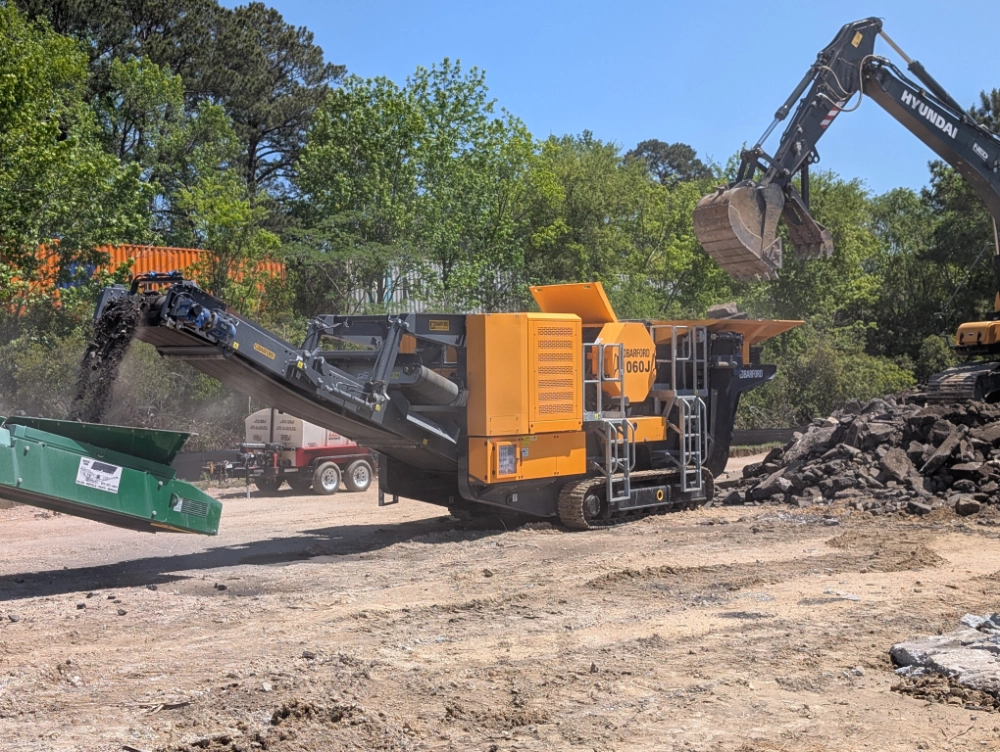
- Jaw Crushers: Track-mounted units that reduce concrete, block, brick, and asphalt to spec base material on site. Sized by jaw opening and target tonnage.
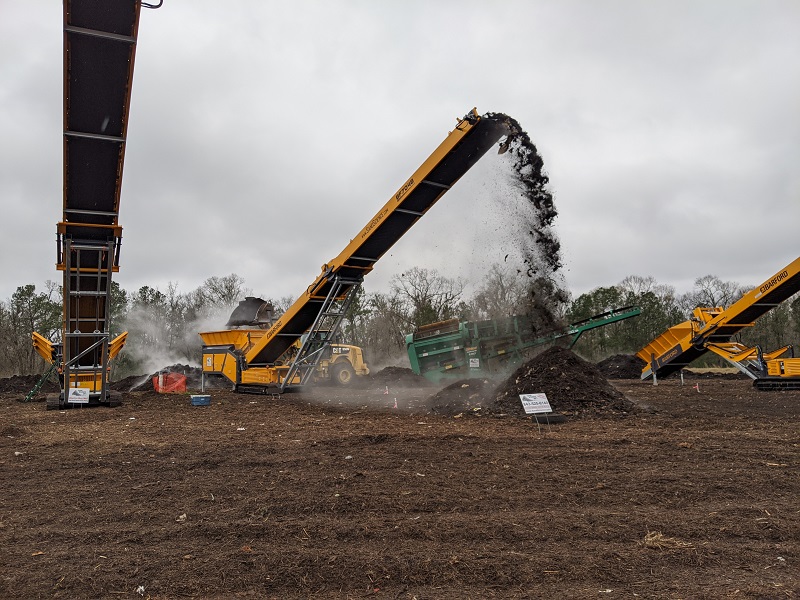
- Trommel Screens: Rotating drum screens that separate compost, mulch, topsoil, and C&D fines by size. Aperture changes let one machine serve several product specs.
- Scalping Screens: Track vibrating screens that pull dirt and oversize out of demolition debris before it reaches the crusher, protecting the chamber and lifting throughput.
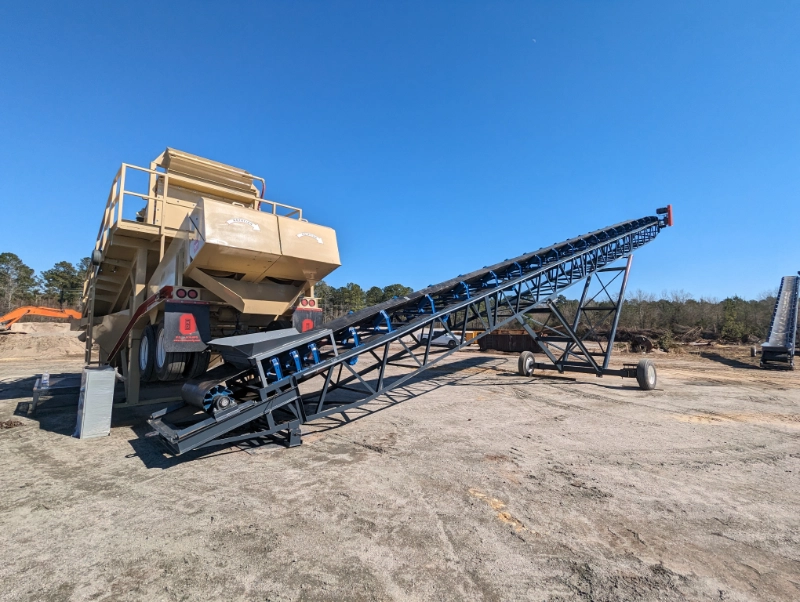
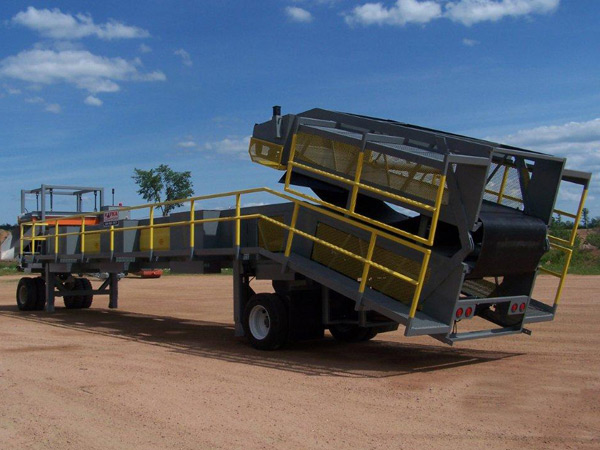
- Picking Stations and Conveyors: Sorting platforms and mobile conveyors that let crews pull wood, metal, and contaminants by hand while stockpiling finished product.
Operational Strategies That Protect Your Margins
- Rent for Peak Volume: Short and mid-term rentals let you take on a large demolition or seasonal green waste contract without tying up capital in a machine that idles the rest of the year.
- Pre-Screen Before You Crush: Scalping dirt and fines ahead of the jaw reduces wear, cuts fuel burn per ton, and keeps your finished base cleaner.
- Stage Wear Parts Ahead of Failure: Jaw plates, screen media, and belts are predictable. Ordering on a schedule instead of after a breakdown keeps the spread producing.
Sand Science Inc. Recycling Equipment Solutions
Sand Science Inc. supplies recycling equipment from Barford, Roto-Screen, Revolver, RDO, and Kafka, sold outright or rented on terms that run from daily hires to multi-month contracts. Rentals include operator familiarization and service support so your crew is productive from day one. Financing is available on purchases when a machine earns its keep year round.
Browse the key models below, or use our full product listings to find the configuration that fits your material stream.
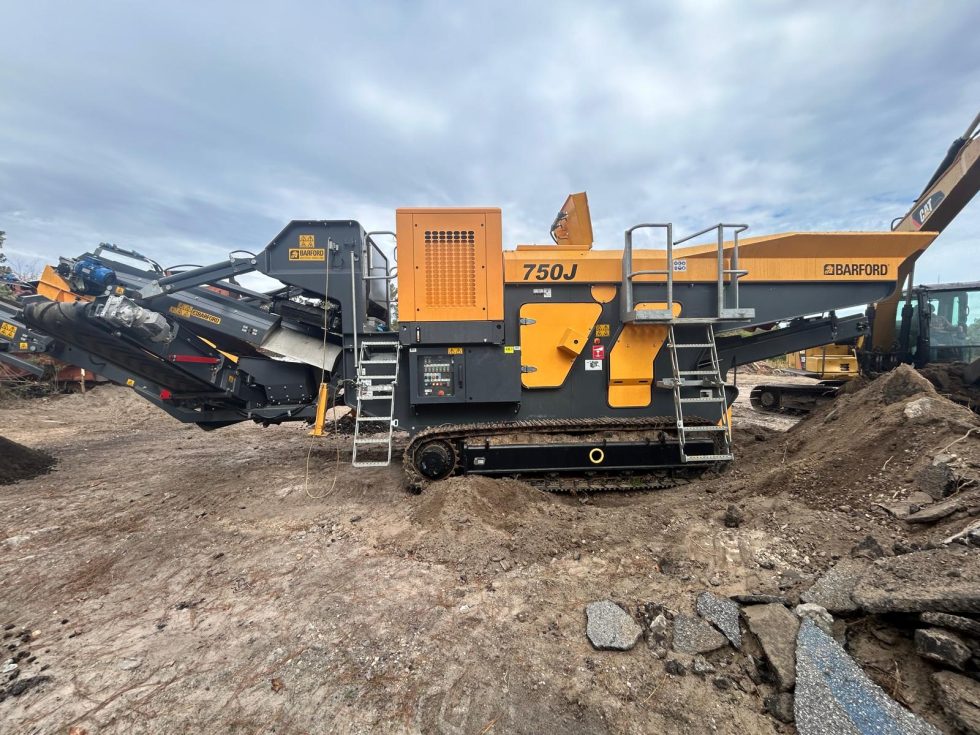
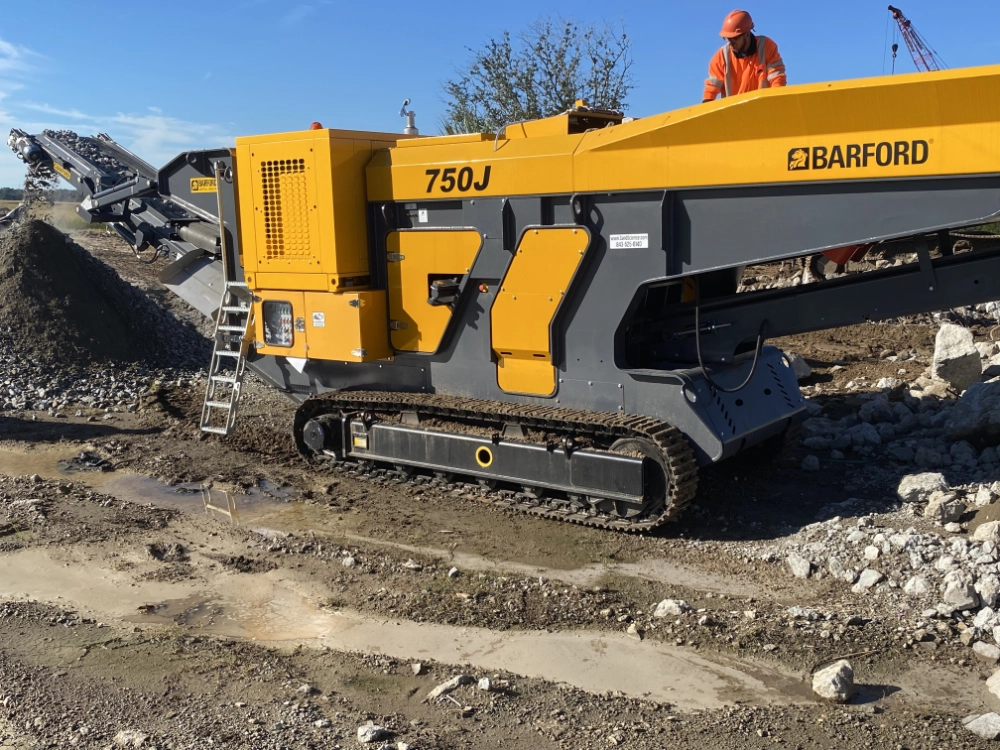
Barford 750J Track Jaw Crusher
- Features: Compact track-mounted jaw with a 28 inch by 20 inch opening and dual-power CAT diesel electric drive. Travels on a legal lowboy load.
- Benefits: Turns broken concrete and asphalt into reusable base on site, cutting haul-off and buy-back on aggregate.
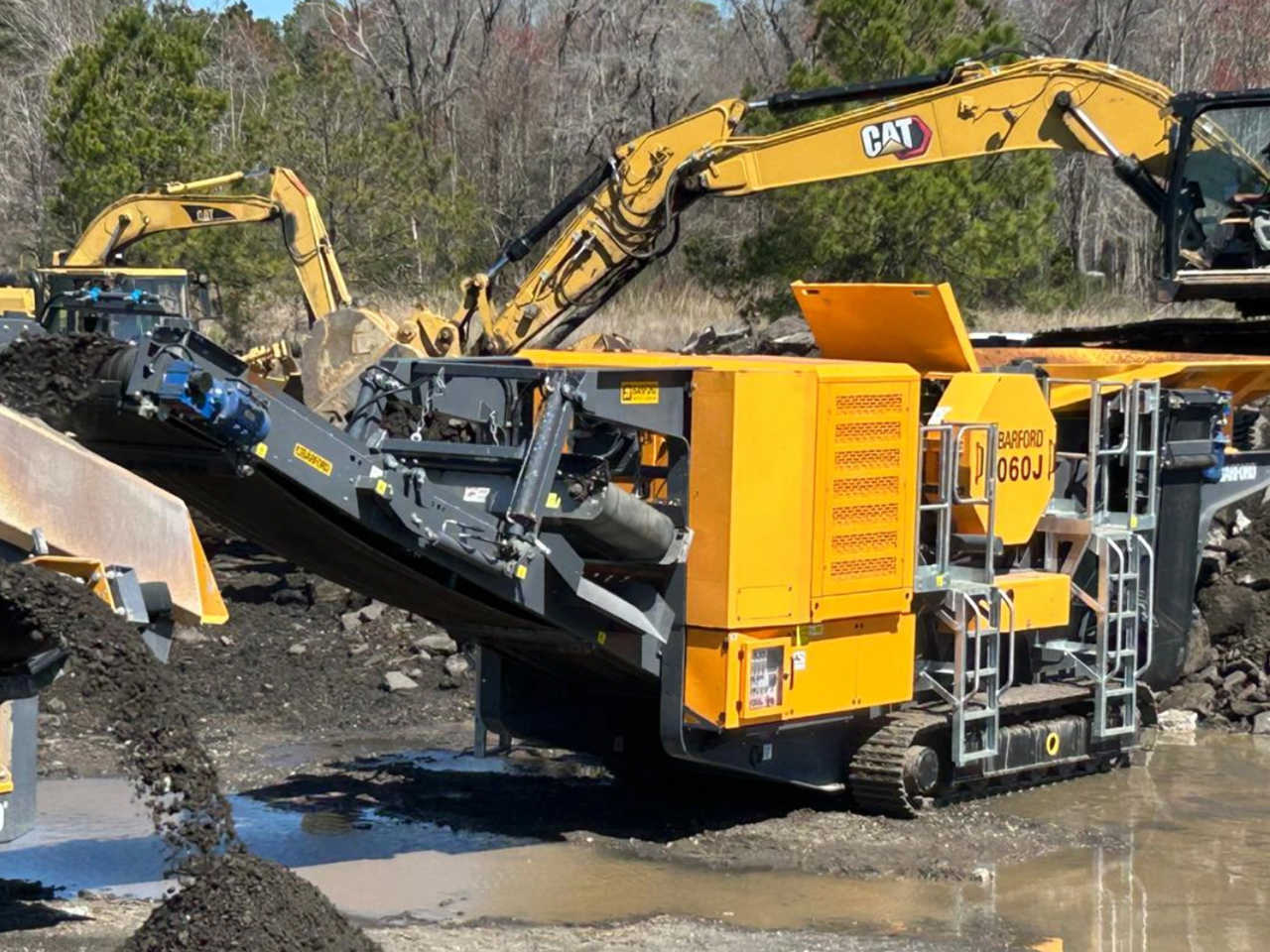
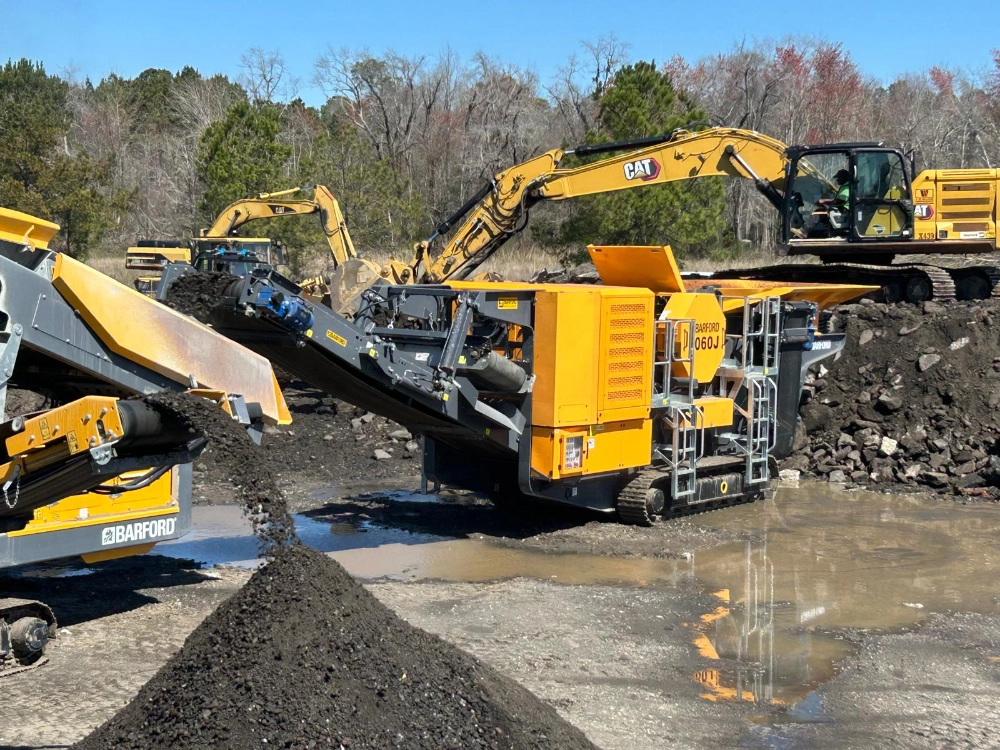
Barford 1060J Track Jaw Crusher
- Features: Heavy-duty 40 inch by 24 inch jaw opening with dual-power configuration, rated to 250 tons per hour.
- Benefits: Handles high daily volume for demolition contractors and recycling yards running steady production.
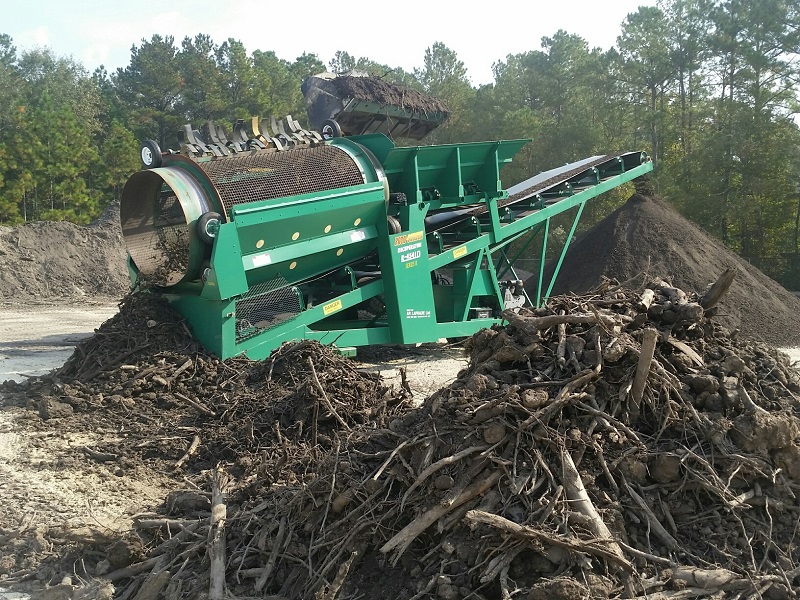
Roto-Screen 454 Trommel Screen
- Features: Compact portable trommel with interchangeable screen apertures for topsoil, mulch, compost, and recycled fines.
- Benefits: Produces multiple salable products from one machine at a price point that works for contractor-scale operations.
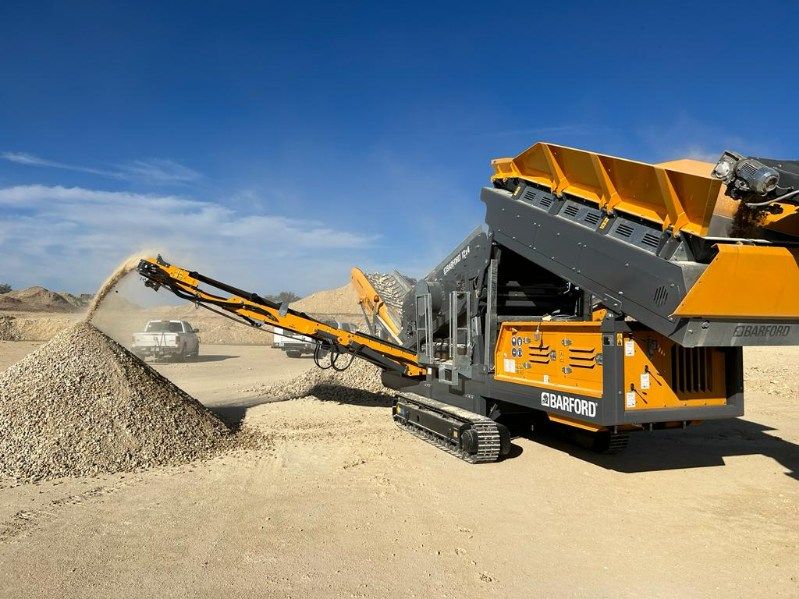
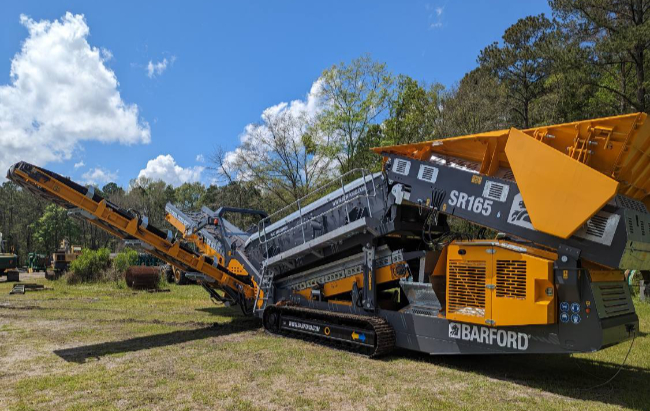
Barford SR124 Track Screen
- Features: Track-mounted 12 foot by 4 foot 2 inch double deck screen built for high-volume primary separation.
- Benefits: Removes dirt and oversize from demolition debris early, protecting downstream crushers and improving finished product quality.
Kafka Picking Stations
- Features: Sorting platform with belt feed and hand-pick positions for mixed construction and demolition streams.
- Benefits: Recovers wood, metal, and cardboard as separate commodities instead of paying to landfill them as mixed waste.
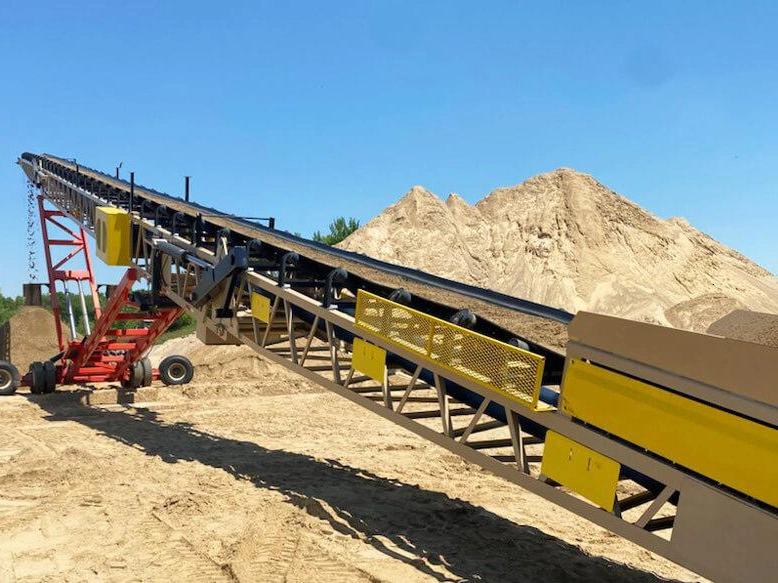
Kafka Wheeled Conveyors
- Features: Mobile wheeled conveyor configuration with flexible positioning and variable stockpile heights.
- Benefits: Builds clean, separated product piles and removes the loader shuttling that eats fuel and operator hours.
The Core Recycling Line: Crush, Screen, Sort, Stockpile
A working recovery spread moves material through four stages. Incoming debris is scalped to strip dirt and fines. What remains goes to the crusher for size reduction. Screens then split the crushed product into the fractions your buyers want, and picking stations pull contaminants before the final pass. Conveyors carry each fraction to its own stockpile. You do not need every stage on day one, but you do need to know which stage is limiting your output before you add iron. Most yards find the bottleneck sits ahead of the crusher, not in it.
Sizing a Recycling Spread to Your Feedstock and Volume
Before you buy or rent, get clear on three numbers: tons per day coming in, the size and hardness of your dirtiest material, and the specs your buyers will accept. Those drive jaw opening, screen deck area, and aperture selection more than any brochure figure. Site layout matters too, since track machines that reposition themselves save you the loader time that wheeled setups burn. Our team walks the numbers with you and recommends a configuration rather than a catalog page.
Flexible Recycling Equipment Solutions: Rental and Purchase Options
Comparing Recycling Equipment Rental Versus Purchase
- Flexibility of Renting: Scale up for a large demolition contract or a spring brush surge, then scale back down without carrying an idle machine through slow months.
- Long-Term Costs of Renting vs. Purchasing: When a machine runs most weeks of the year, cumulative rental cost passes purchase cost. That crossover is the number worth calculating before you sign another term.
- Asset Ownership Benefits: Ownership gives you full control over configuration, screen media, and scheduling, plus residual value and no return-condition obligations at the end.
Parts, Service, and Support for Your Recycling Equipment
Recycling Equipment: Frequently Asked Questions
What materials can recycling equipment process?
Jaw crushers handle concrete, block, brick, asphalt, and natural rock. Trommel and scalping screens process topsoil, compost, mulch, brush, and C&D fines. Picking stations sort mixed construction and demolition debris into wood, metal, and clean aggregate. The right combination depends on what is coming through your gate, so we recommend equipment against your actual feedstock rather than a general category.
Is it cheaper to rent or buy recycling equipment?
Renting costs less when your volume is project-driven or seasonal, since you avoid capital outlay and idle-time carrying cost. Buying costs less when a machine runs most weeks of the year. The practical test is utilization: estimate the operating hours you will actually put on the machine over twelve months and compare cumulative rental against purchase price plus maintenance.
Can recycling equipment be moved between job sites?
Yes. Track-mounted crushers and screens reposition themselves on site and travel between locations on standard transport. Several models, including the Barford 750J, are built to move on a legal lowboy load. Wheeled and towable units like portable trommels move behind a truck. Transport requirements vary by model, so confirm dimensions and weights with our team before scheduling a move.
How much does on-site processing actually save?
Do you provide training and support with rentals?
Yes. Rental agreements include operator familiarization so your crew can run the machine safely and efficiently from the start. We also provide service support and scheduled site visits through the rental period, and we are available to answer questions about setup, screen changes, and adjustments while the machine is on your job.
What maintenance keeps a recycling line running?
Daily walkarounds, greasing on schedule, and belt tension checks catch most problems early. Wear parts follow predictable intervals: jaw plates, screen media, and conveyor belts should be tracked by hours and replaced before they fail rather than after. Keeping a small stock of common wear items on hand is the single cheapest insurance against unplanned downtime.
Questions on these machines?
Would you like more information on the equipment we offer? Let us know how we can help, and one of our expert sales team will be in contact shortly to answer any questions you may have.