Trommel Screens · Crushers · Conveyors · Atlanta, GA
Trommel, Crusher & Conveyor Sales in Atlanta, GA
Atlanta’s construction and recycling work keeps growing, and that means more demand for trommel screens, crushers, and conveyors that keep material moving. Sand Science Inc. helps you find efficient, reliable equipment built for the way your operation actually runs.
Comprehensive Solutions for Aggregate Screening and Material Handling
From trommel screens and crushers to conveyor systems, the right machinery makes material processing faster and more cost-effective. Below is a rundown of the equipment types, the current market trends shaping the industry, and the maintenance habits that protect your investment and keep your operation productive.
Trommel Screens for Cleaner Separation and Higher-Quality Output
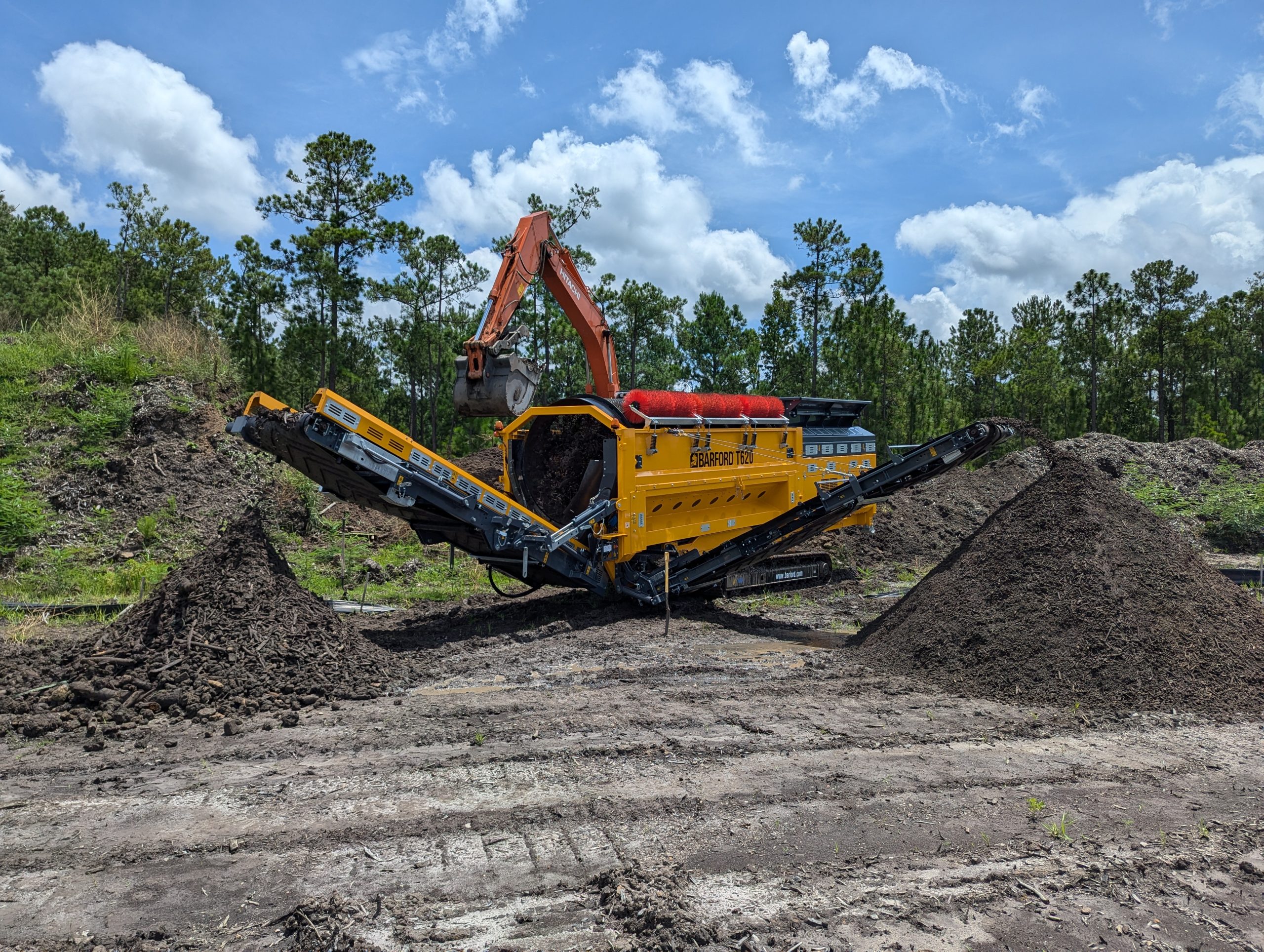
Trommel screens classify materials and improve the efficiency of aggregate handling. They rotate material inside a cylindrical drum, separating fine material from coarse debris as it travels through, which streamlines the process and improves the quality of the final output. They come in two main forms. Portable trommel screens move easily between job sites, making them a good fit for temporary projects or operations that shift often. Stationary trommel screens are built for long-term use and offer more durability for facilities with steady material handling needs. Both are integral to recycling, construction, and aggregate production.
Crushers That Break Down Material for Faster Processing
Working with a specialist makes a bigger difference than people expect, mostly because of how fast you get answers and the right crushing machines. We represent established manufacturers like Barford, Kafka, Revolver, Roto-Screen, and RDO, so our recommendations are built around equipment we know inside and out. Keeping stock nearby also means faster turnaround on parts and service instead of waiting on a machine to ship across the country. Sand Science Inc. focuses on screening, crushing, conveying, and recycling equipment across the Southeastern U.S., with the hands-on knowledge to keep your projects moving.
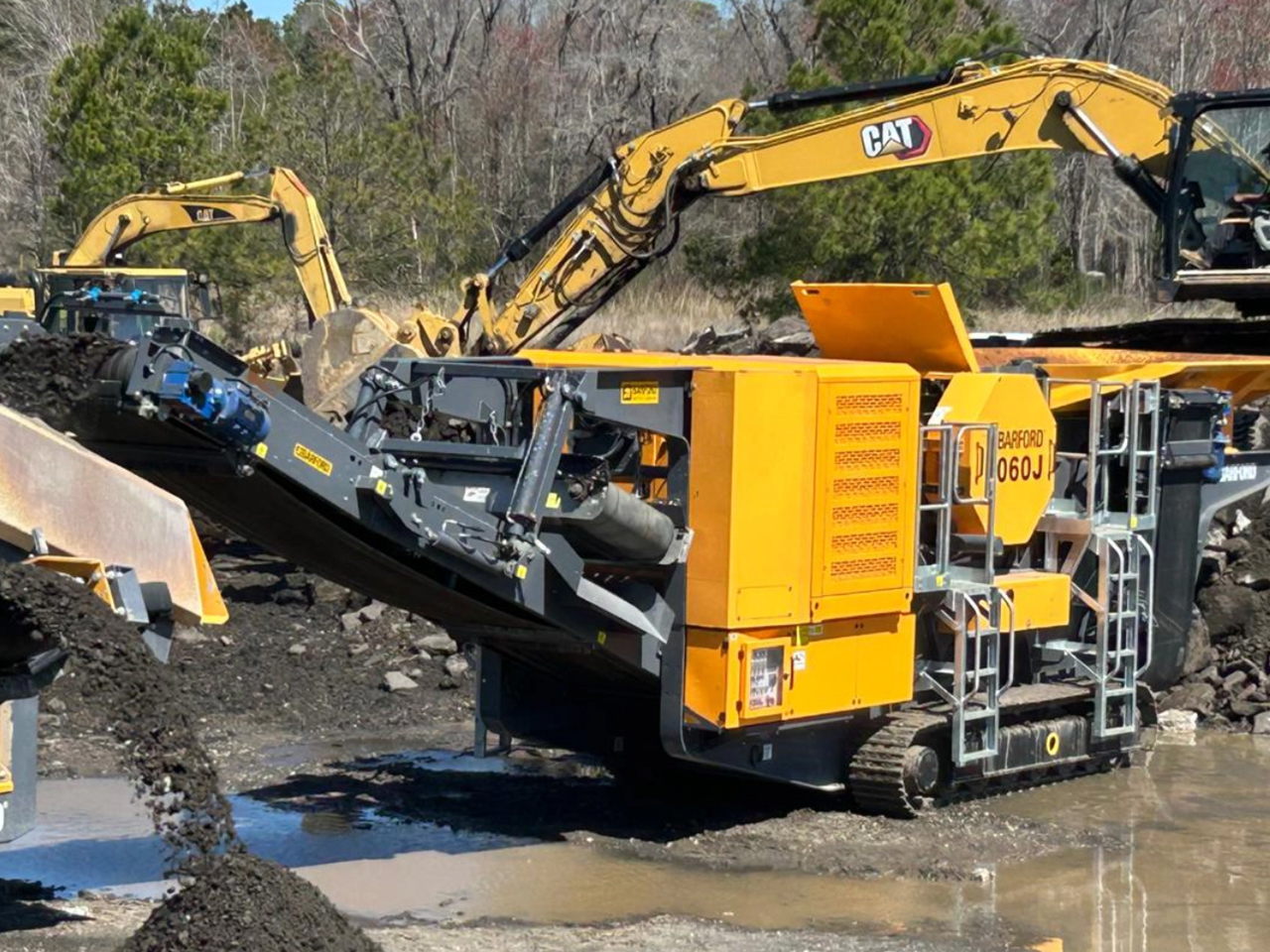
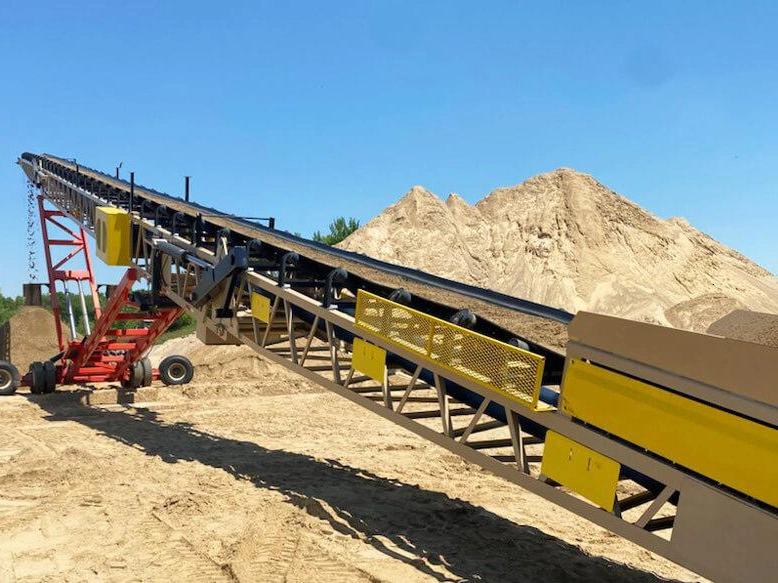
Conveyors Keep Material Moving Across Every Stage
Conveyor systems move material efficiently at every stage of processing, keeping a continuous flow that significantly reduces labor time. They come in two main types suited to different jobs. Belt conveyors are commonly used for long distances and handle bulk material well thanks to their capacity, making them a strong fit for high-volume operations. Roller conveyors suit lighter loads and shorter distances, providing reliable movement with less energy consumption. Matching the right conveyor to the job helps your operation improve workflow and increase overall material handling efficiency across every stage of processing.
Market Trends and Maintenance Considerations
The equipment market keeps evolving, and a few habits keep your machines running at their best. Here’s what to keep in mind:
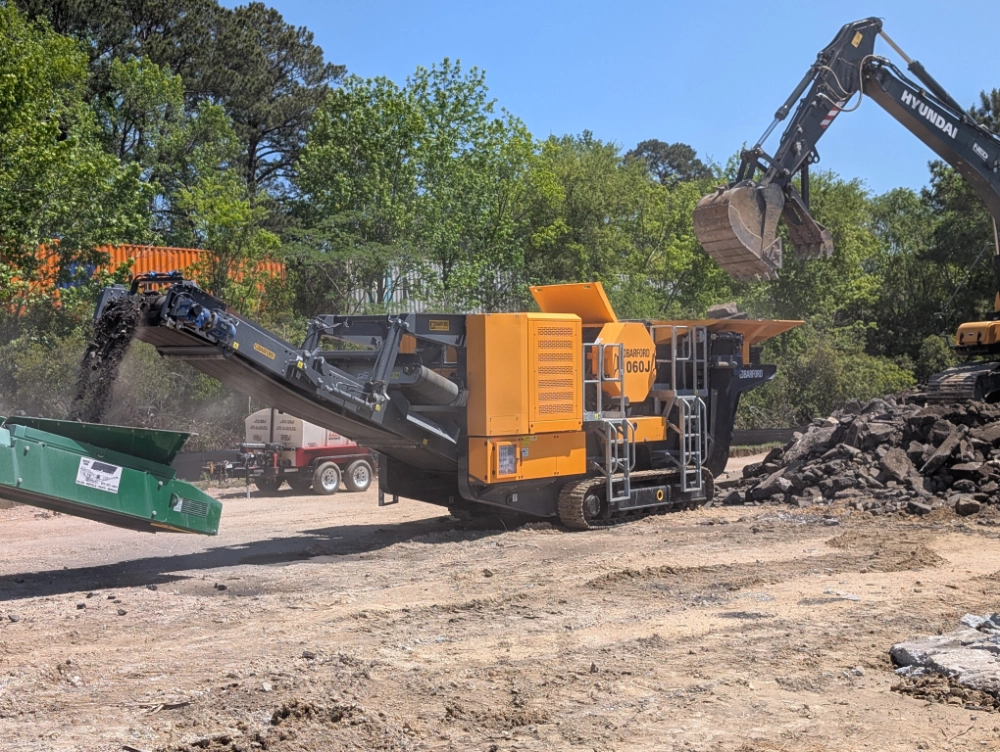
Sustainability Focus: Operators are increasingly building recycling into material processing to cut waste.
Technological Advancements: Automation and smart controls are improving equipment efficiency and precision.
Regular Inspections: Routine checks for wear and tear prevent costly breakdowns and extend equipment life.
Operator Training: Thorough training helps staff run equipment safely and efficiently.
Customization Options: Adjusting setups improves performance for specific material types.
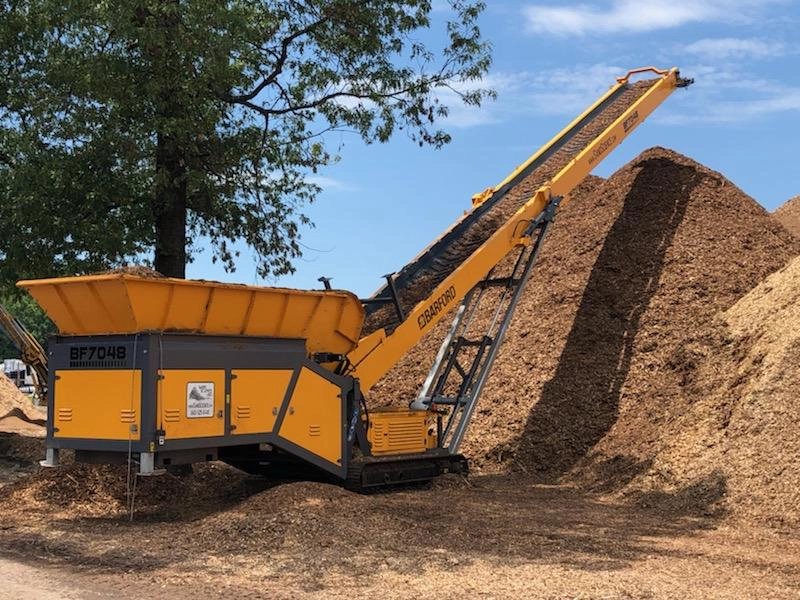
Built for Recycling and Sustainability
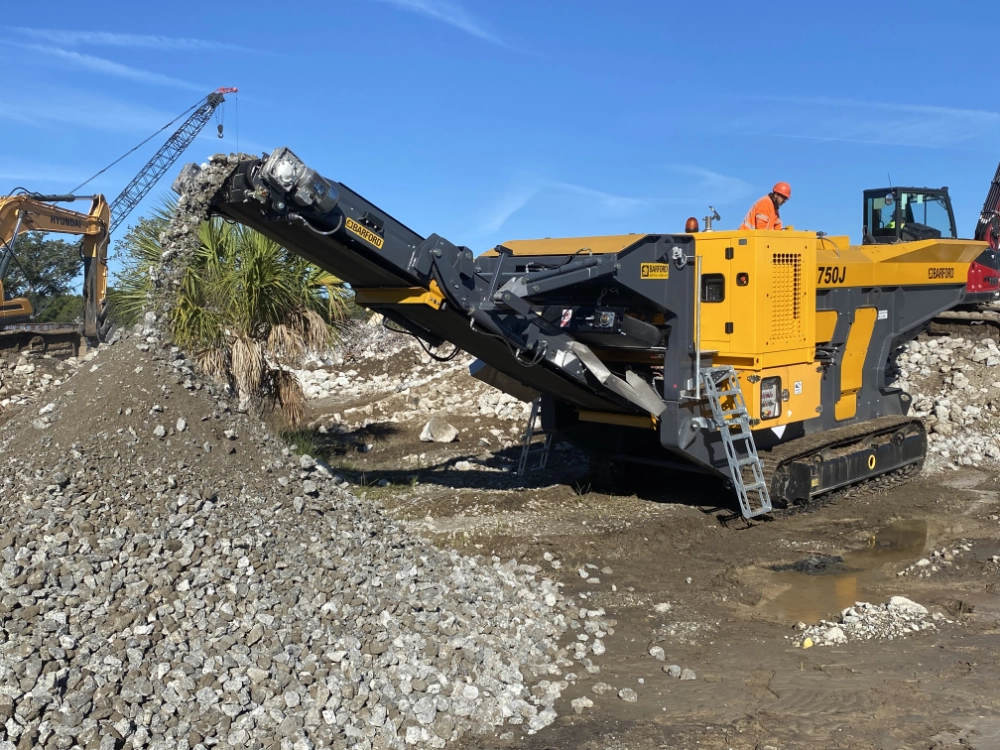
More operators are building recycling into their material processing to cut waste and keep usable material in play. Screening and crushing on site lets you reclaim topsoil, rock, and concrete instead of hauling it off, turning what used to be disposal into product you can reuse or resell.
Training and Smarter Technology
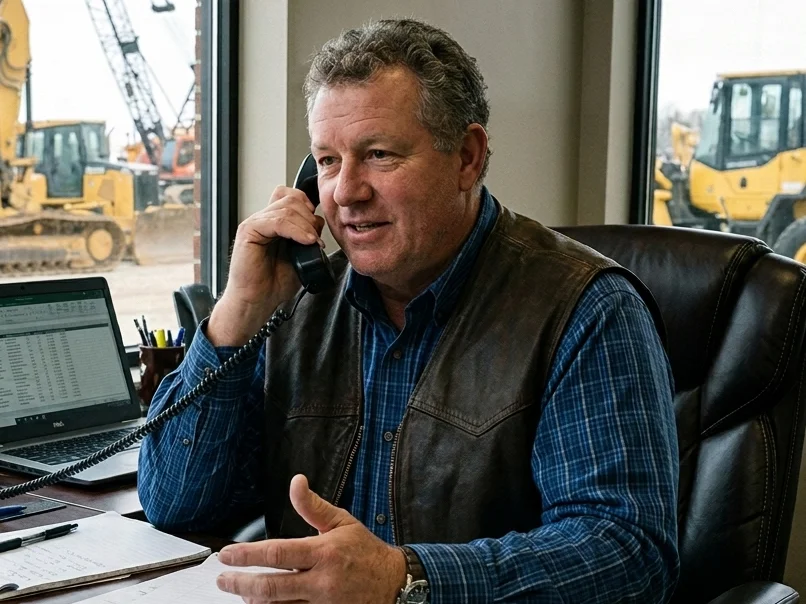
Getting the most out of a machine comes down to how it’s run. Thorough operator training helps your crew work safely and efficiently, while newer automation and smart controls sharpen precision and output. Together they keep your equipment performing at its best and your jobs on schedule.
Support that limits downtime
Your Trommel, Crusher & Conveyor Partner in Atlanta, GA
Choosing the right machine is the difference between a job that runs smoothly and one that stalls. Sand Science Inc. helps businesses across Atlanta, GA select trommels, crushers, and conveyors built for construction, recycling, and material handling. Tell us what your project needs and our team will help you find the right fit.
Trommels, Crushers, and Conveyors Sales & Support: FAQ
What factors should businesses consider when selecting trommel screens?
When choosing trommel screens, businesses should evaluate factors like application requirements, material types, and operational scalability. Consider the volume of material to be processed and the desired separation efficiency. The portable versus stationary design also plays a critical role, depending on whether the operation is temporary or a permanent setup. Businesses should also assess space constraints, maintenance needs, and the overall budget for both procurement and ongoing operational costs.
How can operators improve the efficiency of crushers?
Operators can improve crusher efficiency with a few best practices, such as regularly monitoring the feed size and adjusting the settings for optimal output. Keeping the equipment well-maintained through routine inspections helps prevent downtime and reduce energy consumption. Investing in operator training also maximizes the potential of the machinery by teaching staff effective feeding techniques and adjustments based on the material being processed.
What are the typical maintenance needs for conveyor systems?
Conveyor systems require regular maintenance to run well. Key practices include checking belts for wear, aligning rollers, and lubricating moving parts to prevent friction. It is also important to clean the system periodically to remove debris and prevent buildup that can cause blockages. Training personnel to handle these tasks is vital for a long-lasting, efficient conveyor system and better material handling overall.
How do market trends impact the purchase of heavy machinery?
Market trends influence heavy machinery purchases significantly, as companies often align their operations with current industry developments. A strong focus on sustainability has led many businesses to look for eco-friendly options that lower emissions and energy consumption. Advancements in automation and smart technology have also increased demand for equipment that integrates seamlessly with modern operating systems, improving overall efficiency and competitiveness.
What role does operator training play in equipment performance?
Operator training plays a fundamental role in maximizing equipment performance. Well-trained operators handle machinery more skillfully, understand its capabilities, and run processes effectively. That knowledge translates into better handling practices, reduced risk of accidents, and improved maintenance awareness. Trained operators can also catch issues early, allowing for timely repairs that minimize costly disruptions and contribute to the machinery’s longevity.
What should businesses know about the costs associated with equipment ownership?
When considering equipment ownership, businesses should factor in not just the initial purchase price but ongoing expenses like maintenance, repairs, and operational costs such as fuel and electricity. Potential costs for training personnel and any upgrades to meet safety and environmental regulations should be included too. Understanding the total cost of ownership helps businesses budget more accurately and identify financing options that suit their operational needs.
Questions on these machines?