Year-End Tax Savings for 2026
Section 179 Savings on Trommels, Crushers, and Conveyors
Buy or finance qualifying screening, crushing, and conveying equipment and put it to work by December 31, 2026. Section 179 may let you deduct the full price this year.
Turn a Year-End Equipment Purchase Into a 2026 Write-Off
Section 179 lets a business deduct the full cost of qualifying equipment in the year it goes into service, so you aren’t spreading the depreciation over several years. It’s one of the simplest ways to keep your hard-earned money in your company instead of sending it to the IRS. If you’re a contractor, recycler or material handler who was already planning a screening or crushing upgrade, that changes the timing math. Bring the machine in before the year closes and it starts producing material and cutting your 2026 tax bill at the same time. Since 1985, Sand Science has sold, financed, and supported screening, crushing, conveying, and recycling equipment from our South Carolina headquarters across the Southeast.
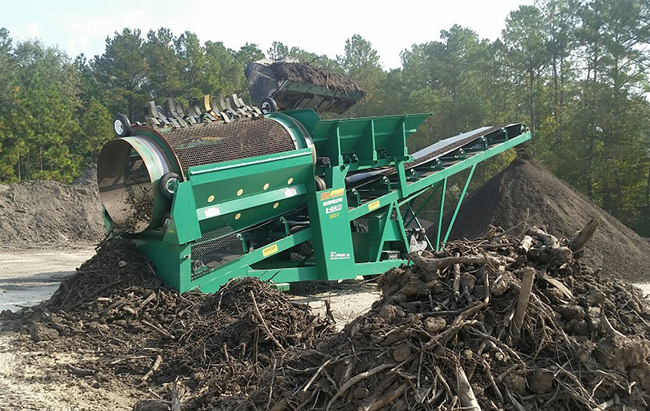
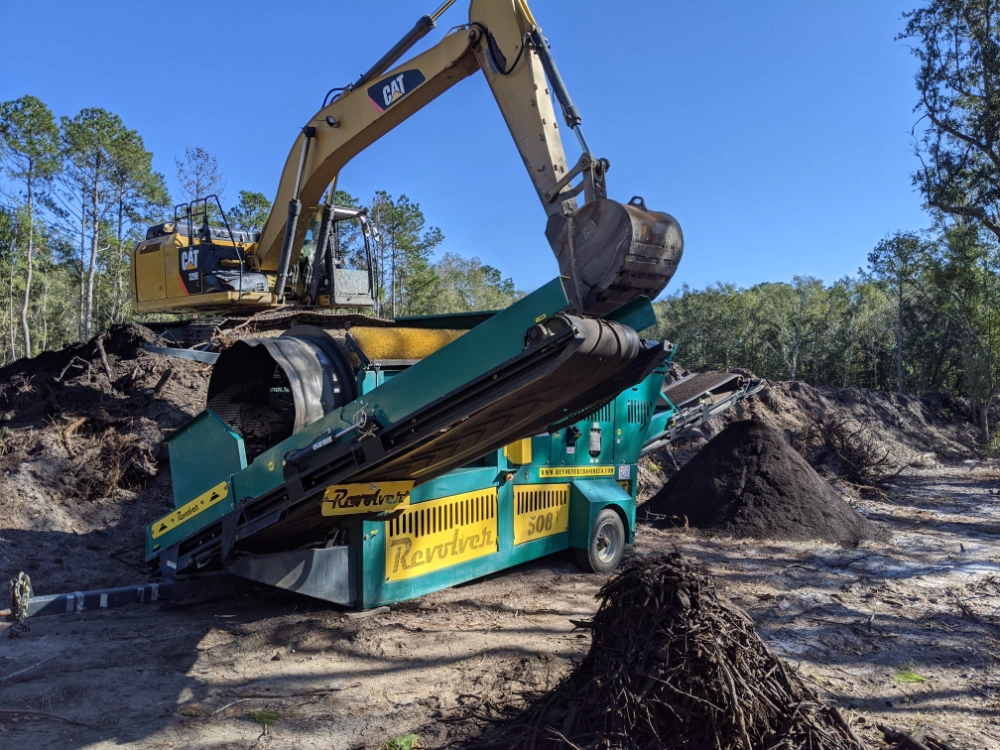
Trommel Screens That Pay Back Fast: Roto-Screen 454 and Revolver RT508
A trommel is often the first machine that turns a stockpile into product you can sell. The Roto-Screen 454 portable trommel screen gives contractors and landscapers clean topsoil, compost, or fill without hauling raw material off site. The Revolver RT508 portable trommel suits crews who want a compact, towable screen they can run hard and move often. Either one placed in service before December 31 can count toward your 2026 deduction while it builds inventory for spring.
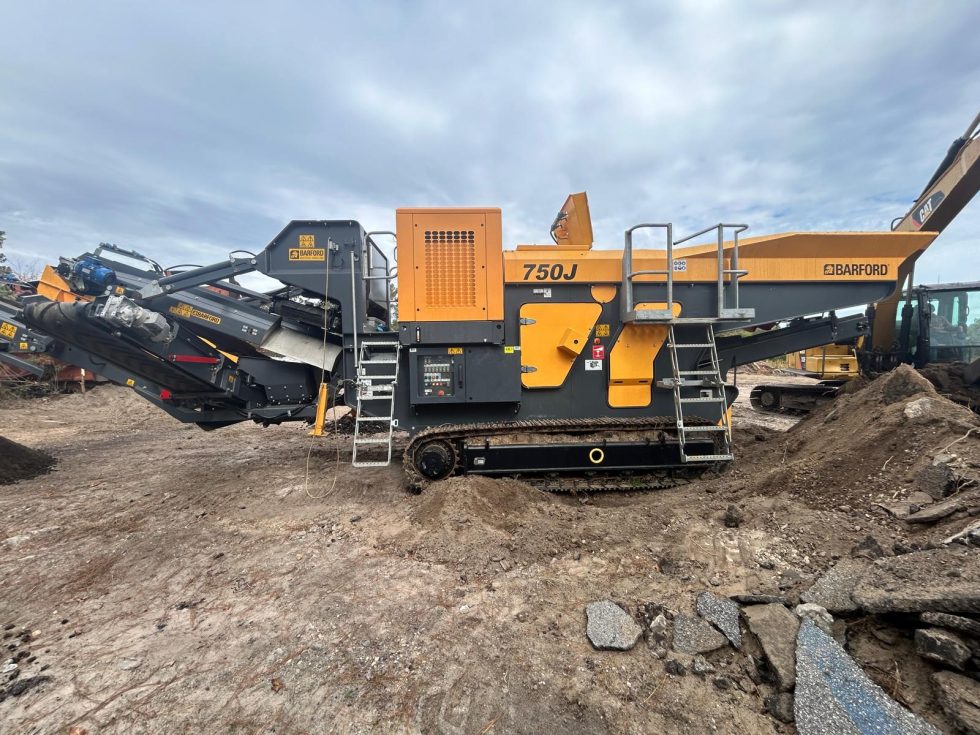
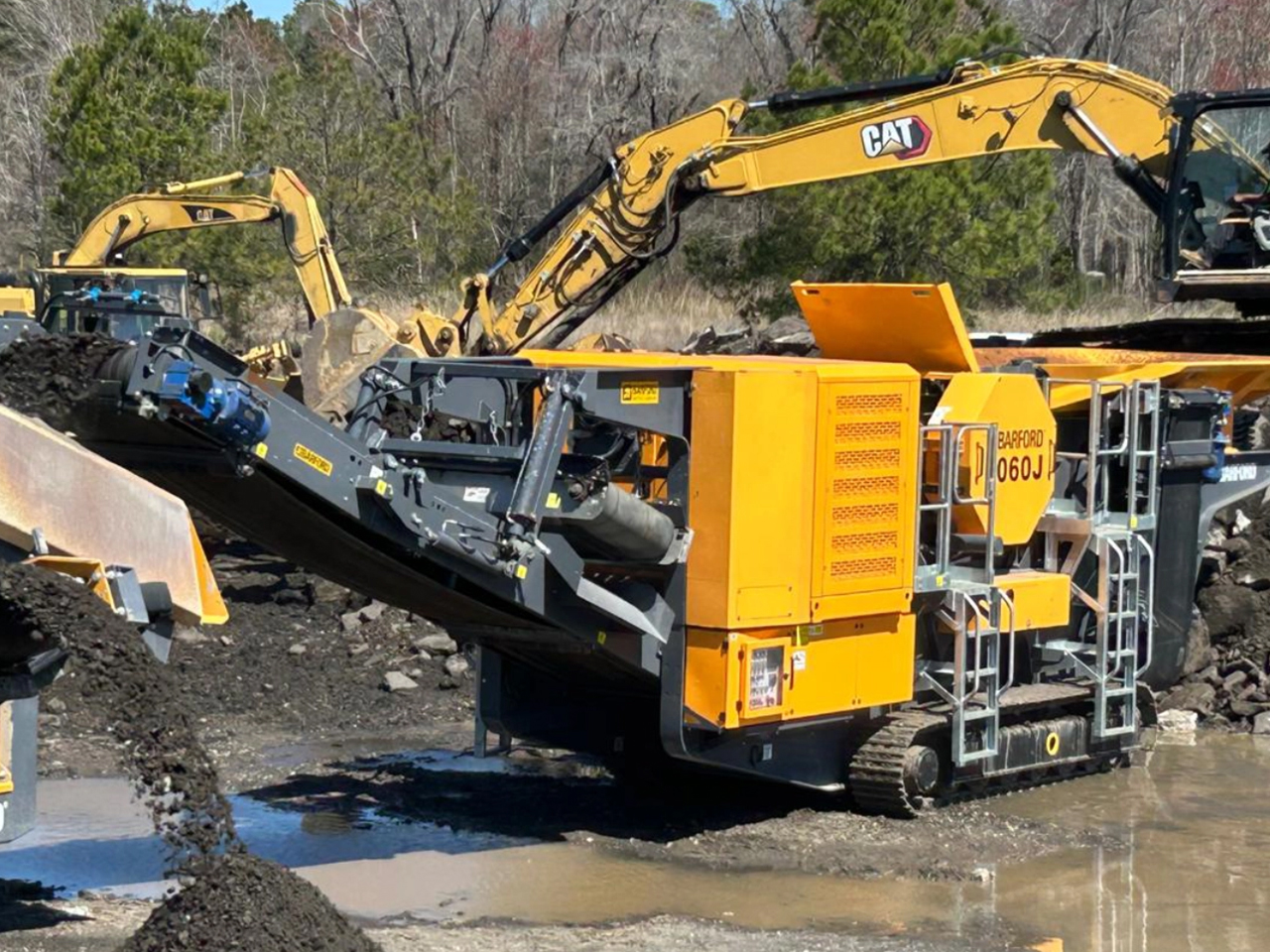
Track Jaw Crushers for On-Site Production: Barford 750J and 1060J
Crushing on site turns concrete, brick, and rock into base material you can reuse or sell, and that cuts both disposal fees and trucking. The Barford 750J track jaw crusher fits contractors and recyclers working job sites and tighter yards. The Barford 1060J steps up for higher volume operations that need a bigger feed opening to keep production steady. A crusher is a major capital purchase, so it’s also where Section 179 can make the biggest difference to a year-end budget.

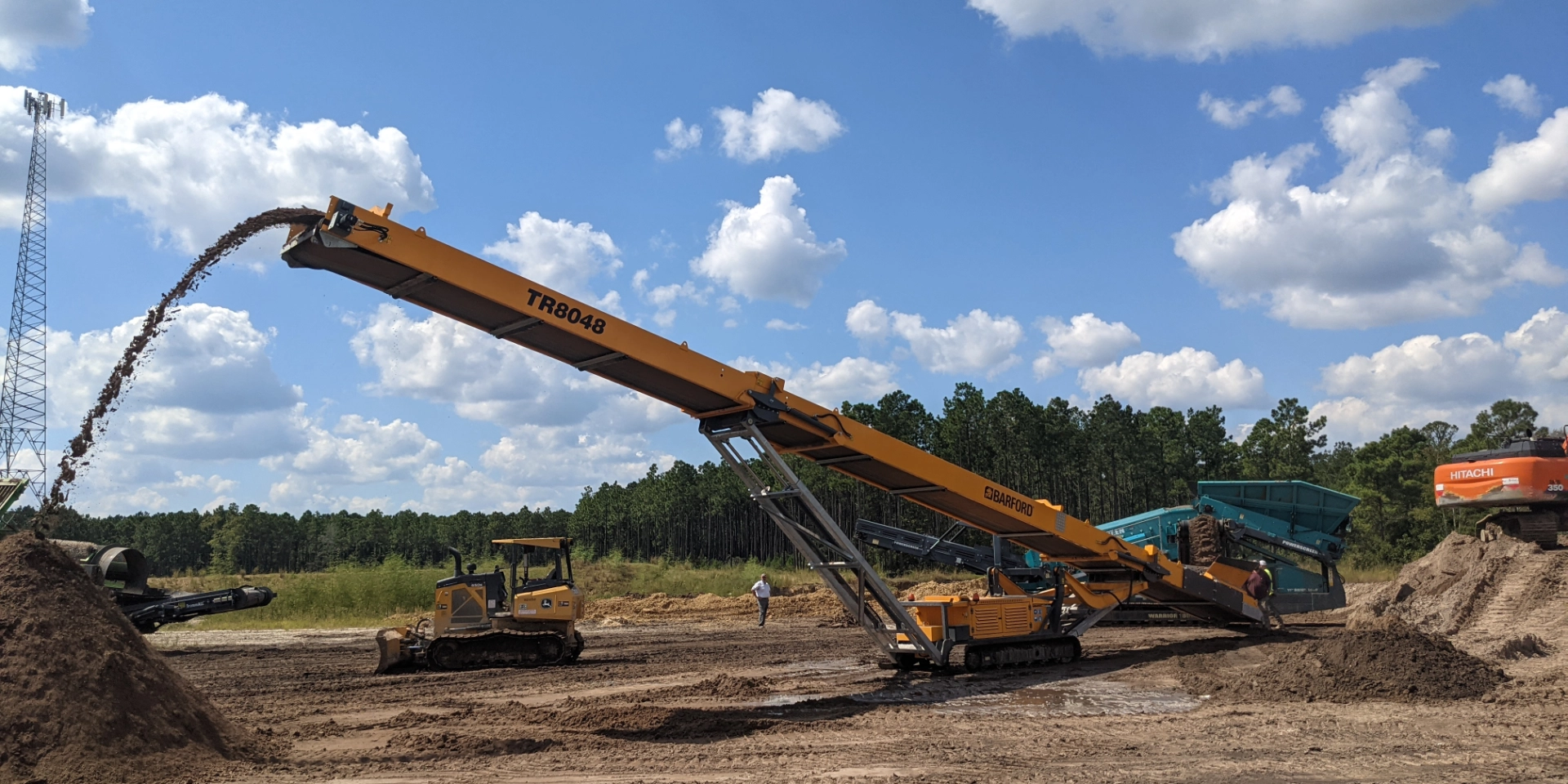
Conveyors and Stackers That Keep the Whole Spread Moving
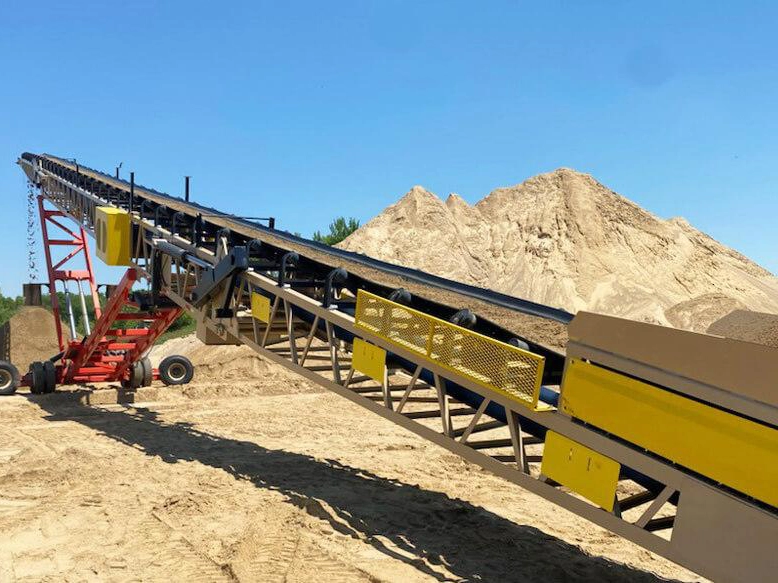
Screens and crushers only produce as fast as material can leave them. Kafka wheeled conveyors connect machines, feed stockpiles, and load trucks without a loader making extra trips. Barford track stackers build taller, cleaner piles straight off the screen or crusher, so you stop double handling material. Adding a conveyor at year end is often the simplest way to raise output from equipment you already own while claiming the deduction on the new piece.
How to Make the December 31 Deadline
Section 179 rewards equipment that’s working, not equipment that’s on order. That means the machine you choose needs to be in stock, not waiting on future delivery. Sand Science has qualifying equipment in stock now. Plan backward from the last day of the year and give yourself time for delivery and setup.
Choose and Commit: Pick your machine, then buy it outright or finance it. Both paths can qualify, so you can protect cash flow and still claim the deduction.
Deliver and Put It to Work: The machine has to be delivered, set up, and ready for use by December 31. Ordering or paying for it isn’t enough by itself.
Keep the Paperwork: Save the invoice, financing documents, and delivery date. Your accountant uses them to claim the deduction on IRS Form 4562.
Pair the Deduction With Real Production Gains
A tax break is a good reason to buy, and the machine still has to earn its spot. Processing on site cuts hauling, lowers disposal costs, and turns waste into material you can reuse or sell long after the 2026 return is filed.
Used Equipment Can Qualify Too
Section 179 isn’t limited to new machines. Used equipment can qualify as long as it’s new to your business, bought from a non-related party, and used mainly for business work. A three-year-old topsoil screener with 1,500 hours can qualify the same way a new Roto-Screen 454 does. Our inspected used equipment gives you another way to get a machine on site before the deadline.
Financing That Keeps Cash in the Business
Financed equipment can qualify for the full deduction even though the payments are spread over time. The IRS counts debt as part of your cost, so you’re treated as owning the machine while you pay it off. Sand Science offers financing through our partners at Leasing Resources, Inc. Use the form below to request a one-page application and get competitive rates.
Get Your Machine Working Before the Year Closes
The window for 2026 closes on December 31, and delivery and setup take time. Talk with Sand Science now about the trommel, crusher, or conveyor that fits your operation and your tax plan. We’ll help turn this year’s tax liability into a machine that makes you money.
* Sand Science Inc. is an equipment dealer and does not provide tax advice or act as a CPA. This is general information about Section 179 and heavy equipment. Consult your tax professional before you buy, and see IRS Publication 946, Chapter 2, for details.
Section 179 Equipment FAQs
What is the Section 179 deduction?
It’s a federal tax provision that lets a business deduct the full purchase price of qualifying equipment in the year it’s placed in service, so the cost isn’t depreciated over several years. Screening, crushing, and conveying equipment used for business can qualify.
Does the equipment have to be paid off by December 31?
No. Financed equipment can qualify for the full deduction. What matters is that the machine is acquired and placed in service by December 31, 2026.
What does “placed in service” mean?
It means the equipment is delivered, set up, and ready for its intended work by the end of your tax year. Ordering or paying for a machine isn’t enough by itself, so plan for delivery and setup time.
Does used equipment qualify for Section 179?
Yes, as long as the equipment is new to your business, bought from a non-related party, and used more than half the time for business purposes. Our used inventory is worth a look if you’re working against the deadline.
Do equipment rentals qualify?
No. Section 179 applies to equipment you buy or finance. Rental payments are generally handled as a regular business expense instead. If you’ve been renting a machine you plan to keep, buying it before year end may be worth a conversation with your accountant.
How much can I deduct in 2026?
For tax years beginning in 2026, the Section 179 limit is $2,560,000, and it phases out once total qualifying purchases go above $4,090,000. The deduction is also limited by your taxable business income, and bonus depreciation may cover amounts beyond that. Your tax professional can confirm what applies to you.
Questions on these machines?