

Efficient Recycling Systems for Construction and Yard Waste
Recycling equipment is essential for handling construction and yard waste—recovering materials efficiently and lowering environmental impact. This article walks through the types of equipment available, how they operate, and proven practices to get the most from your recycling program. You’ll learn how these machines work, the operational advantages they deliver, common challenges and solutions, plus maintenance tips to keep systems running reliably and compliantly. Additionally, we provide guides to help integrate these recycling systems into your construction process for more sustainable waste materials management.
Equipment types: mobile, stationary, and key features
Equipment for processing construction and yard waste ranges from compact mobile units to high-capacity stationary systems. Each option has trade-offs: mobile plants bring flexibility to job sites, while fixed installations deliver higher throughput for steady, large-scale operations. Modern systems also integrate advanced sorting sensors and robust feeders to boost recovery rates and reduce manual handling. Choosing the right configuration starts with a clear view of your feedstock, site constraints, and production targets, ensuring your recycling systems align with sustainable waste materials management goals.
Construction waste recycling machines: capabilities and advantages
Machines built for construction waste handle concrete, wood, metals and mixed C&D streams. Typical capabilities include crushing, screening and automated separation to isolate reusable materials. The benefits are tangible: lower landfill volumes, reduced disposal costs, and recovered aggregates or metals that can re-enter production. Mobile units let teams process material directly on-site; stationary plants are best where consistent, higher-volume processing is required. Integrating these machines into the construction process supports sustainable practices by minimizing waste materials and promoting reuse.
Research also points to increasingly sophisticated automated sorting solutions that improve throughput and material purity.
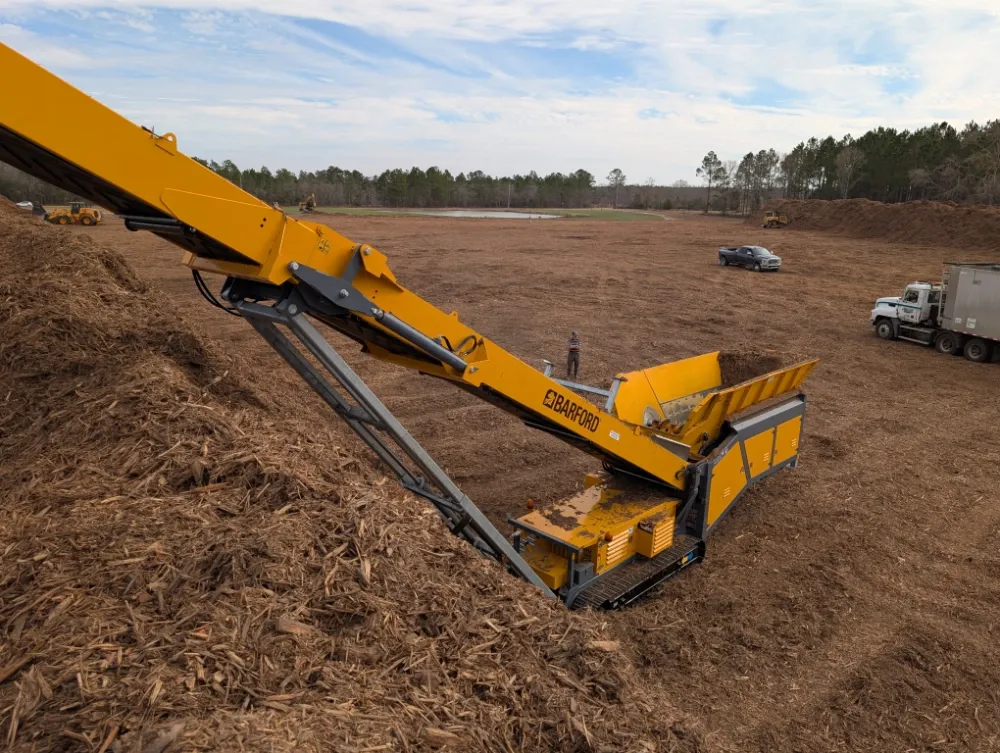
Yard waste equipment is optimized for organic streams—leaves, branches, grass clippings and brush. Key specs include shredding and screening capacity, throughput rate, and the ability to produce appropriately sized material for composting or mulching. Municipalities, landscapers and arborists rely on these systems to divert green waste from landfills and create useful soil amendments that improve soil structure and reduce reliance on synthetic fertilizers. These recycling systems play a vital role in sustainable waste materials management by transforming yard waste into valuable resources.
How these systems operate
Operational flow typically covers material intake, size reduction, sorting/separation and, when required, washing. Each stage prepares material for reuse—crushing or shredding reduces volume, screens separate size fractions, and washing removes contaminants from aggregates. Optimizing each step boosts recovery rates and reduces downstream processing or disposal costs. Incorporating these steps into the construction process ensures that waste materials are efficiently recycled and sustainability goals are met.
Best practices to maximize recycling outcomes
To get consistent performance, follow a few core practices: keep a routine maintenance plan, train operators on safe and efficient procedures, and design workflows to match the equipment’s capacity. Staying current with local waste regulations is also critical to avoid compliance issues and to capitalize on incentives for recycled content. Comprehensive guides are available to help teams implement these best practices effectively within their recycling systems.
If you’re evaluating equipment, Sand Science Inc offers tailored solutions for construction and yard waste recovery, plus support for e-commerce and lead-generation channels to help you source the right machinery. Sand Science Inc. is known for its commitment to innovation and customer service, making it a trusted partner in sustainable waste management.
Common equipment options for construction and yard waste
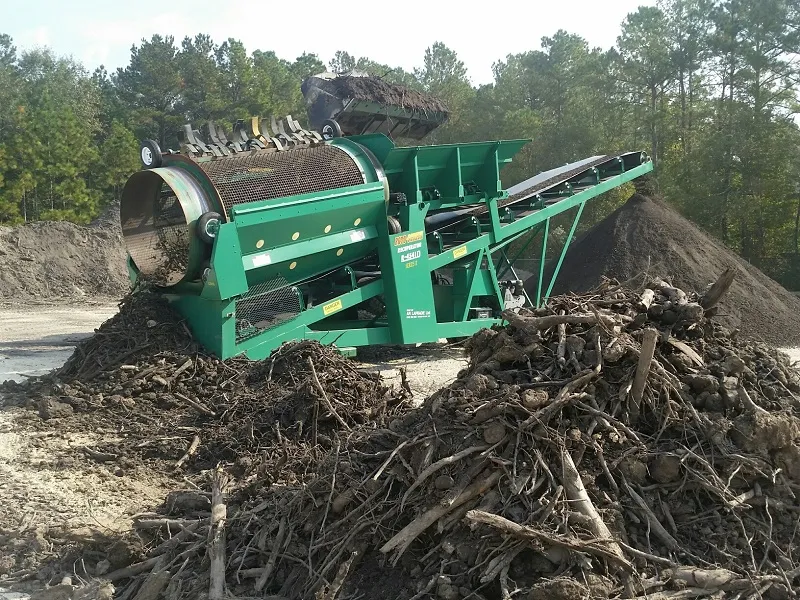
Common choices include mobile crushers, trommel screens, and washing plants—each addressing specific processing needs. Mobile crushers break down concrete and masonry, trommels separate organics and fines, and washing plants clean aggregates for reuse. Matching machine type to material stream and recovery goals is the key to a cost-effective solution. These recycling systems are integral to a sustainable construction process by minimizing waste materials and maximizing resource recovery.
How portable equipment improves on-site waste handling
Portable systems let teams process waste where it’s generated, cutting transport costs and shortening turnaround times. On-site processing also increases material capture rates and offers flexibility to adapt to changing project phases, which is especially valuable for renovation or demolition projects with variable volumes. This approach supports sustainable construction processes by reducing the environmental footprint of waste materials.
The move to on-site processing is reflected in growing interest from construction managers in customized recycling solutions. Sand Science Inc. actively collaborates with clients to develop portable equipment options that meet these evolving needs.
Mobile debris recycling systems deliver faster processing, lower transport emissions and reduced disposal fees. They allow contractors to reclaim materials for reuse or resale, shrink project waste footprints, and improve scheduling by reducing reliance on off-site facilities. These benefits contribute to a more sustainable construction process by effectively managing waste materials.
Rental vs purchase: picking the right portable solution
Renting suits short-term projects or pilot programs—lower upfront cost and flexible timing. Buying makes sense when you have steady demand and can justify the capital expense through reduced operating costs and higher control over processing. Evaluate project duration, expected tonnages and maintenance capacity when choosing. Guides on selecting between rental and purchase options can help optimize your recycling systems for sustainable waste materials management.
Environmental and regulatory advantages of recycling equipment
Using recycling equipment supports compliance with environmental regulations, reduces landfill volumes and enables recovery of materials that feed back into production. These benefits translate to lower embodied emissions, conserved resources and improved corporate sustainability metrics. Integrating these systems into your construction process is a key step toward sustainable project management.
Meeting environmental standards with construction material recycling
Recycling solutions help firms meet local and regional environmental standards by diverting materials and enabling documented reuse of recovered aggregates and metals. Demonstrable compliance can also strengthen bid competitiveness and corporate reputation. Guides on environmental compliance and best practices are valuable resources for companies aiming to enhance their sustainability through effective waste materials recycling.
Comparative studies stress the importance of assessing environmental performance across different waste management systems to identify the greatest net benefits.
Effective recycling practices reduce landfill demand, conserve virgin materials and cut greenhouse gas emissions associated with raw material production. Integrating these practices into project planning is central to meeting sustainability targets and demonstrating environmental stewardship. By embedding recycling systems into the construction process, companies can ensure that waste materials are managed sustainably throughout the project lifecycle.
Maintenance and support: keeping equipment efficient and durable
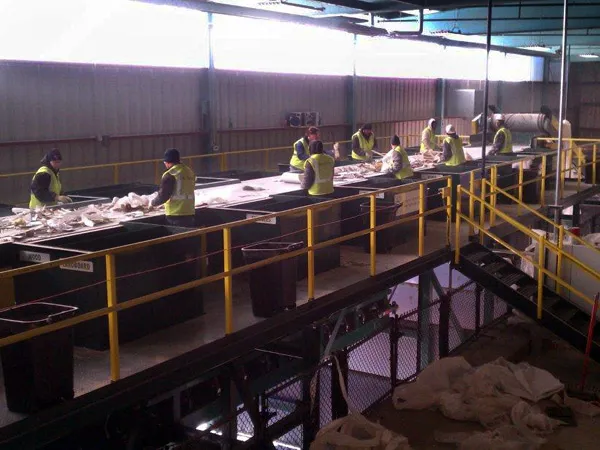
Planned maintenance and responsive support are essential to minimize downtime and extend equipment life. Regular inspections, timely part replacement and calibrated settings preserve throughput and material quality. When problems occur, fast access to experienced technicians and parts inventory reduces disruptions. Following maintenance guides ensures that recycling systems continue to operate efficiently and sustainably.
Scheduled maintenance practices
Establish predictable inspection intervals, keep cleaning and lubrication routines current, and track wear parts so replacements happen before failures. A documented maintenance schedule reduces emergency repairs and supports consistent recycling output, which is critical for sustainable management of waste materials.
Expert support and rental services
Access to expert support—service contracts, field technicians and rental backup units—keeps operations moving. Sand Science Inc. provides equipment rental, servicing and application support to help businesses optimize their waste management workflows and integrate sustainable recycling systems into their construction process. Their comprehensive support network ensures that clients receive timely assistance and maximize equipment uptime.
Frequently Asked Questions
What are the key benefits of using mobile recycling equipment on construction sites?
Mobile recycling equipment offers significant advantages for construction sites, including reduced transportation costs and increased efficiency. By processing waste on-site, teams can quickly turn debris into reusable materials, minimizing the environmental footprint. This flexibility allows for adaptation to varying project phases, especially in renovation or demolition scenarios. Additionally, mobile units can enhance material capture rates, ensuring that more waste is diverted from landfills and transformed into valuable resources, thus supporting sustainable construction practices.
How can municipalities benefit from yard waste recycling systems?
Municipalities can greatly benefit from yard waste recycling systems by diverting organic materials from landfills, which helps reduce disposal costs and environmental impact. These systems enable the transformation of leaves, branches, and grass clippings into compost or mulch, improving soil health and reducing the need for synthetic fertilizers. By implementing effective yard waste recycling, municipalities can promote sustainability, enhance community aesthetics, and create valuable soil amendments that support local landscaping and gardening efforts.
What factors should be considered when selecting recycling equipment for construction waste?
When selecting recycling equipment for construction waste, several factors should be considered, including the type of materials being processed, the volume of waste generated, and site constraints. It’s essential to evaluate the equipment’s capacity, throughput rate, and specific capabilities, such as crushing or screening. Additionally, understanding local regulations and sustainability goals can guide the choice of equipment that aligns with environmental compliance and operational efficiency, ensuring a cost-effective and responsible recycling solution.
What maintenance practices are essential for recycling equipment longevity?
To ensure the longevity of recycling equipment, regular maintenance practices are crucial. This includes establishing a routine inspection schedule, keeping cleaning and lubrication procedures up to date, and monitoring wear parts for timely replacement. Documenting maintenance activities helps prevent unexpected breakdowns and supports consistent operational output. Additionally, having access to expert support for repairs and servicing can minimize downtime and enhance the overall efficiency of recycling systems, contributing to sustainable waste management.
How does recycling construction materials contribute to corporate sustainability?
Recycling construction materials significantly contributes to corporate sustainability by reducing landfill waste, conserving natural resources, and lowering greenhouse gas emissions associated with raw material production. By integrating recycling practices into their operations, companies can demonstrate environmental stewardship, enhance their corporate reputation, and meet regulatory compliance. Furthermore, utilizing recycled materials can improve project cost-efficiency and competitiveness, making sustainability a core aspect of their business strategy and operational goals.
What are the environmental regulations related to construction waste recycling?
Environmental regulations related to construction waste recycling vary by region but generally focus on minimizing landfill use and promoting the reuse of materials. These regulations often require documentation of waste diversion efforts and compliance with local waste management standards. Companies must stay informed about these regulations to avoid penalties and leverage potential incentives for recycling initiatives. Understanding and adhering to these guidelines is essential for maintaining a sustainable construction process and enhancing overall project compliance.
What role does technology play in modern recycling equipment?
Technology plays a pivotal role in modern recycling equipment by enhancing efficiency and material recovery rates. Advanced sorting sensors, automated separation systems, and data analytics improve the accuracy of material classification and processing. These innovations reduce manual handling and increase throughput, allowing for higher purity levels in recovered materials. As technology continues to evolve, it enables recycling systems to adapt to changing waste streams and operational demands, making them more effective in supporting sustainable waste management practices.