Premium Recycling & Aggregate Crushers: Sales, Rentals, and Support
Mobile and stationary crushers are the backbone of recycling and aggregate operations, reducing concrete, asphalt and rock into specification‑grade material for reuse or disposal. These machines turn large, unwieldy pieces into controlled products used in construction and recycling workflows. This article outlines common crusher types, typical applications and selection criteria, and summarizes rental options and support services available from Sand Science Inc.
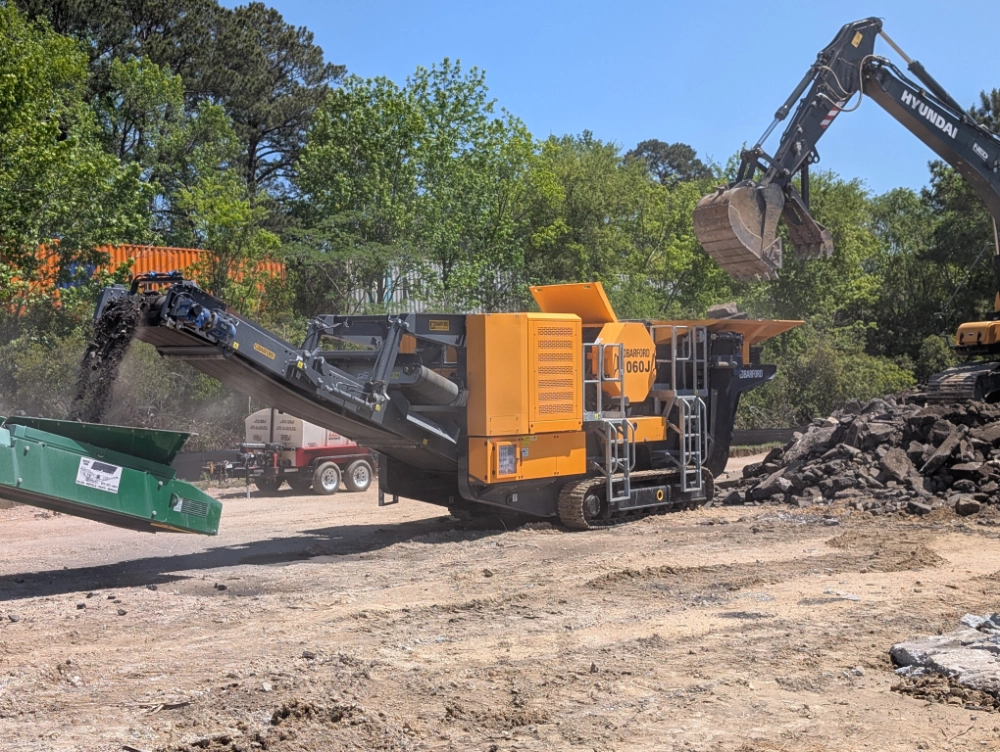
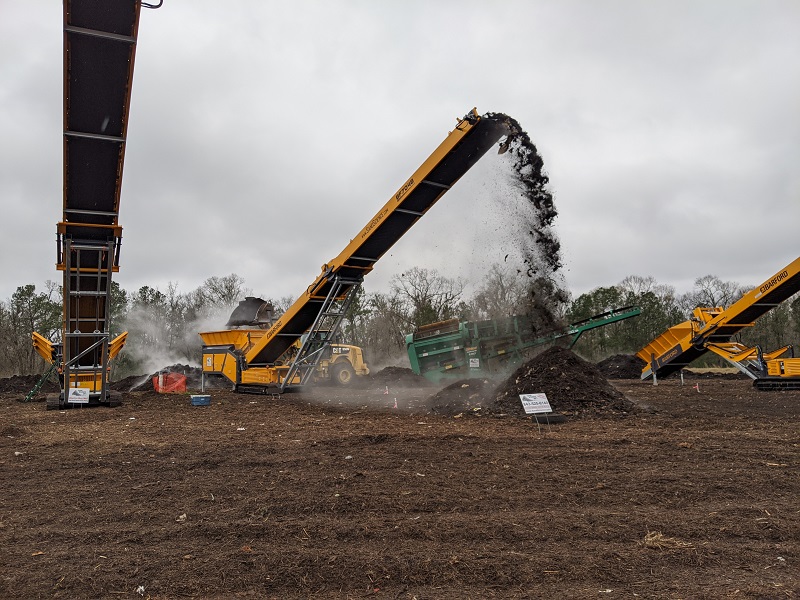
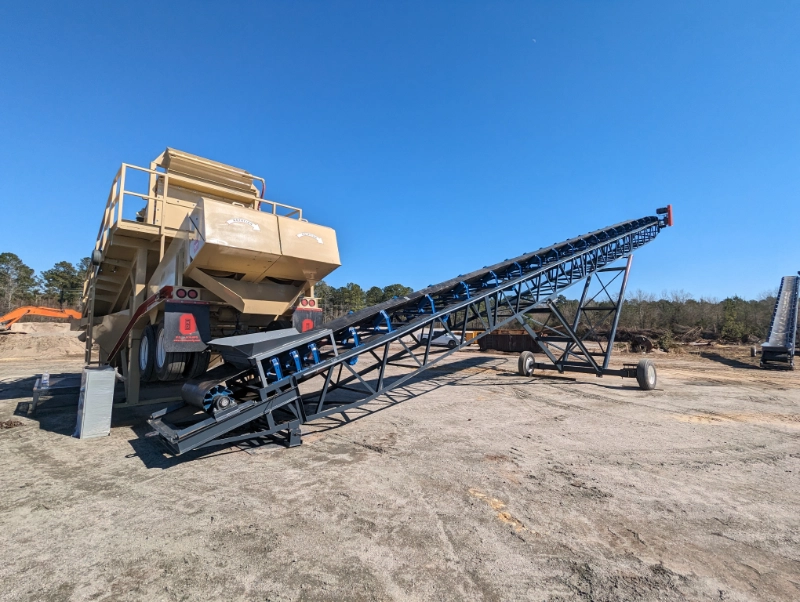
Mobile and Stationary Crushers for Recycling and Aggregate
How to Choose the Right Crusher Equipment for Recycling and Aggregate Needs
- Material Type: Crushers are optimized for particular feed materials. Know the material characteristics you’ll be processing, especially if a jaw crusher is suitable for your feedstock.
- Capacity Requirements: Estimate your volume and required throughput to pick the correct machine size.
- Mobility Needs: Decide whether on‑site mobility or a permanent installation best fits your project and site constraints.
- Budget Constraints: Review total cost of ownership, including purchase price, maintenance, fuel/power and downtime costs.
Sand Science Inc. Equipment Solutions
Sand Science Inc. supplies equipment selected for recycling and aggregate use. We offer flexible rental terms for crushers, trommel screens and conveyors, with contracts ranging from daily hires to multi‑month arrangements. Rentals can include operator training, responsive service support and scheduled site visits to maximise uptime throughout the rental period.
Below are key models and the operational strengths that help match each machine to specific site requirements.
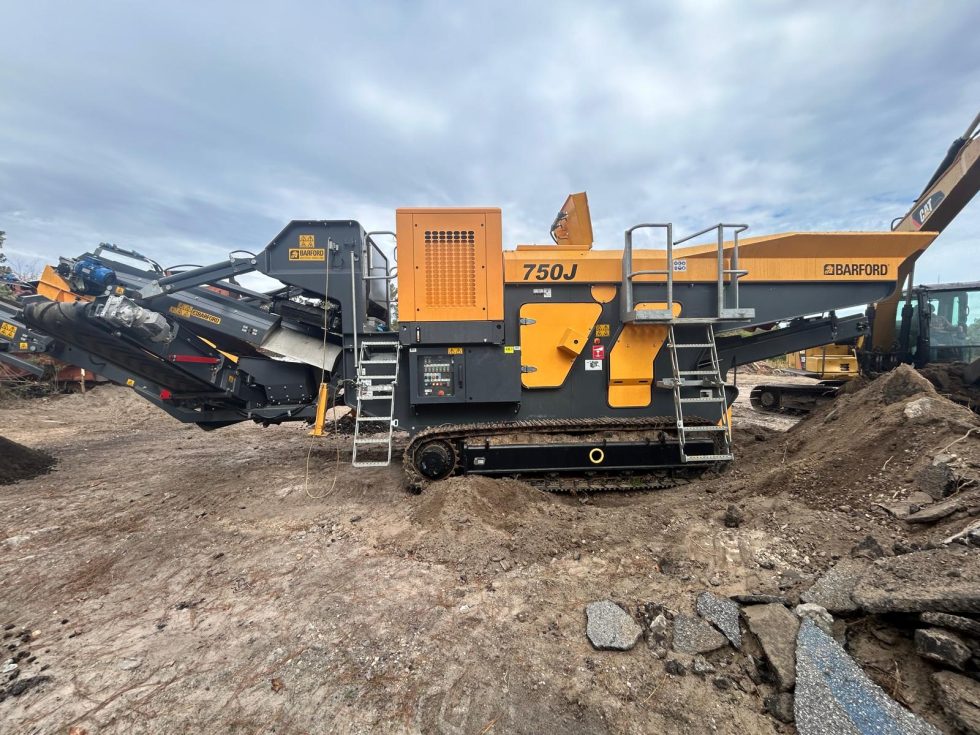
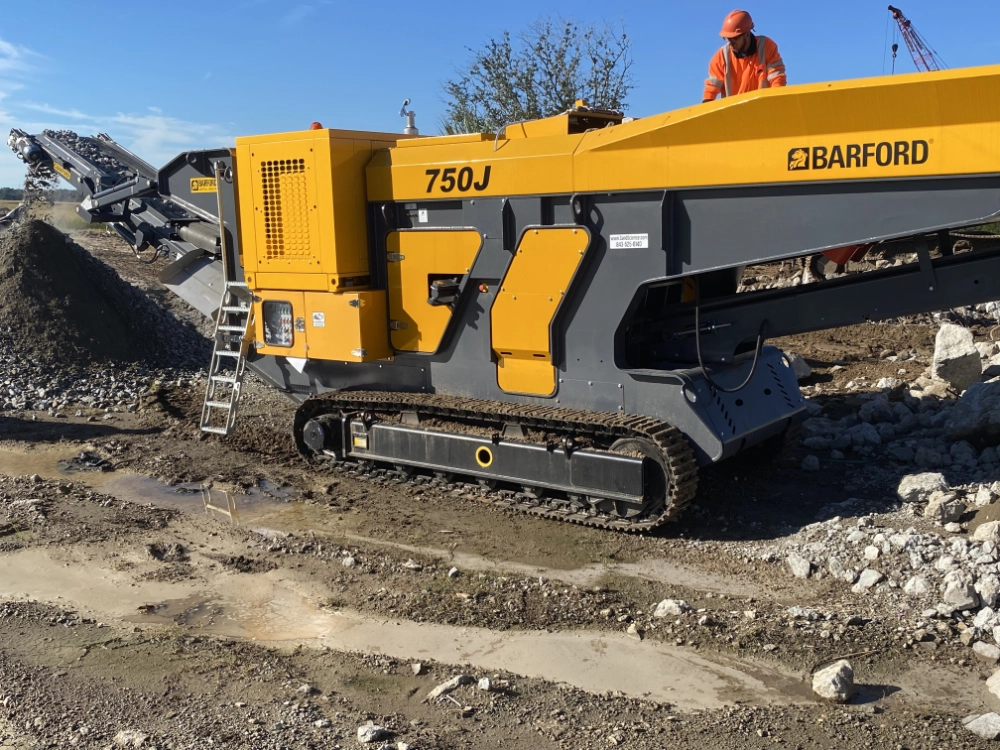
Barford 750J Track Jaw Crusher
- Features: Compact, track-mounted jaw crusher with a 28″ x 20″ opening and a dual-power CAT diesel-electric system.
- Benefits: Achieve high-capacity production (up to 150 TPH) anywhere on-site while significantly reducing fuel costs and power dependency.
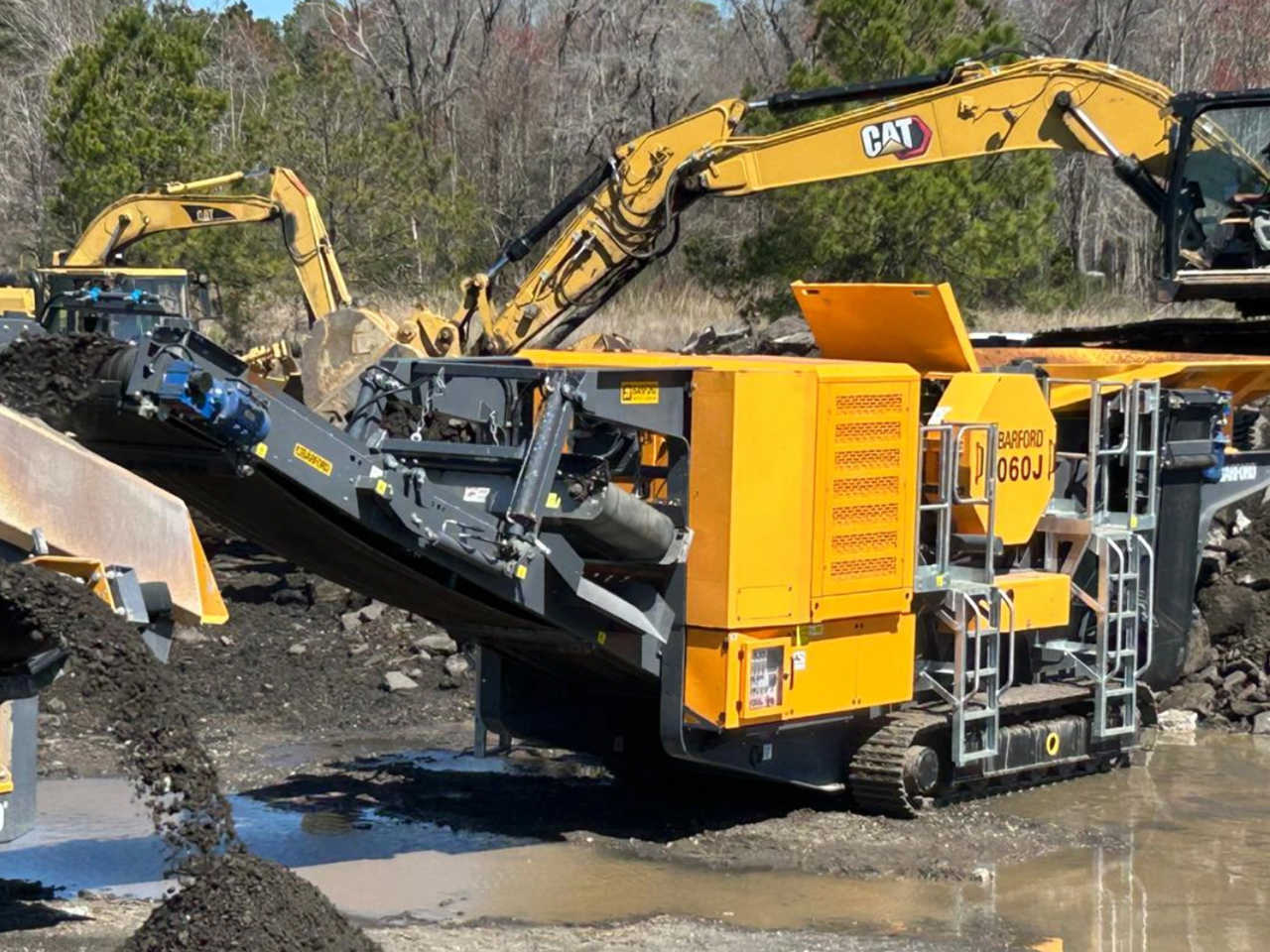
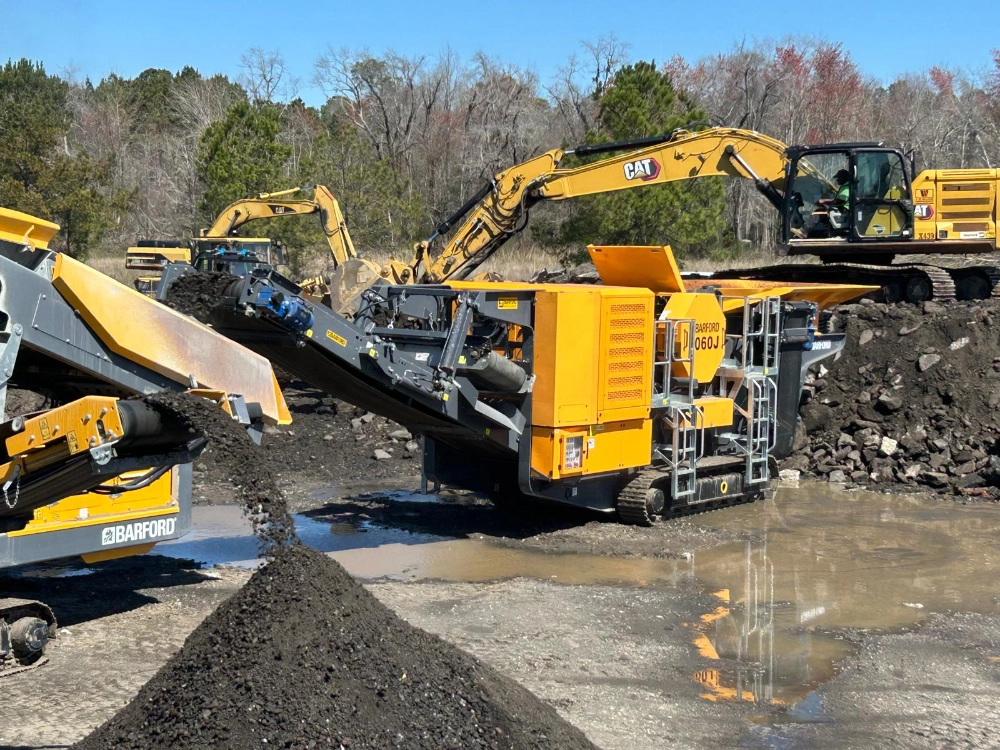
Barford 1060J Track Jaw Crusher
- Features: Heavy-duty 40″ x 24″ jaw opening with a dual-power configuration capable of processing up to 250 tons per hour.
- Benefits: Maximizes your daily yield for larger-scale operations while keeping overhead low through efficient, steady-state power management.
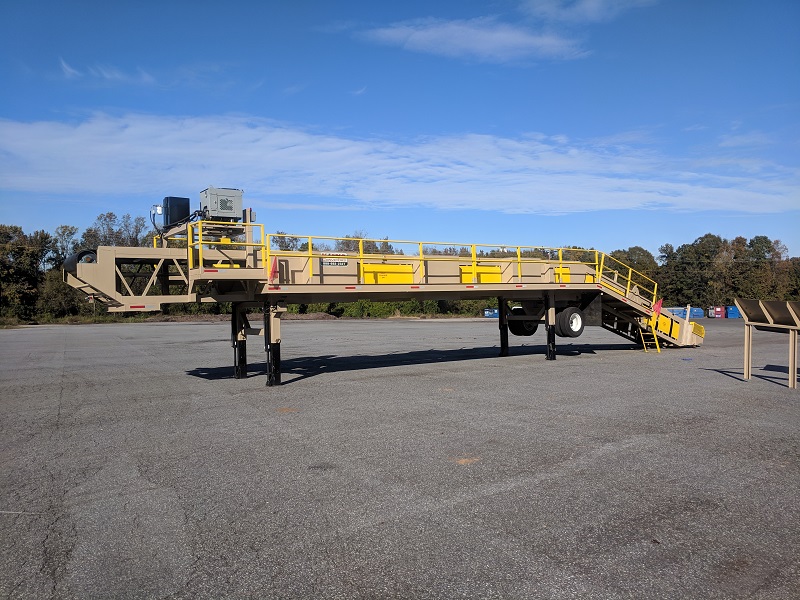
Kafka Picking Stations
- Features: Mobile or fixed formats with advanced sorting technology for streamlined material separation.
- Benefits: Increases your overall plant yield and recovery rates while significantly reducing waste disposal costs and manual sorting inefficiencies.
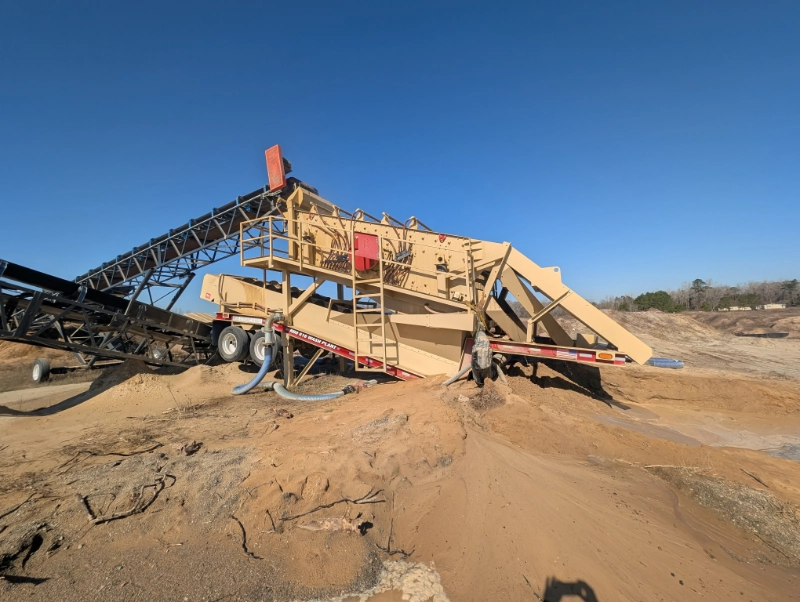
RDO Washing Plants
- Features: Portable, fully electric system designed for straightforward setup and reliable on-site material washing.
- Benefits: Delivers a high-quality end product across diverse conditions with a low-maintenance, eco-friendly footprint.
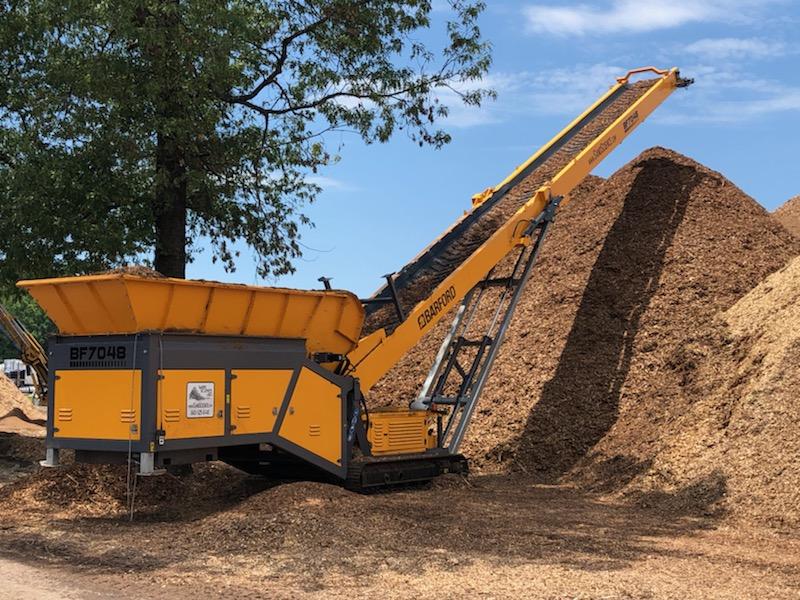
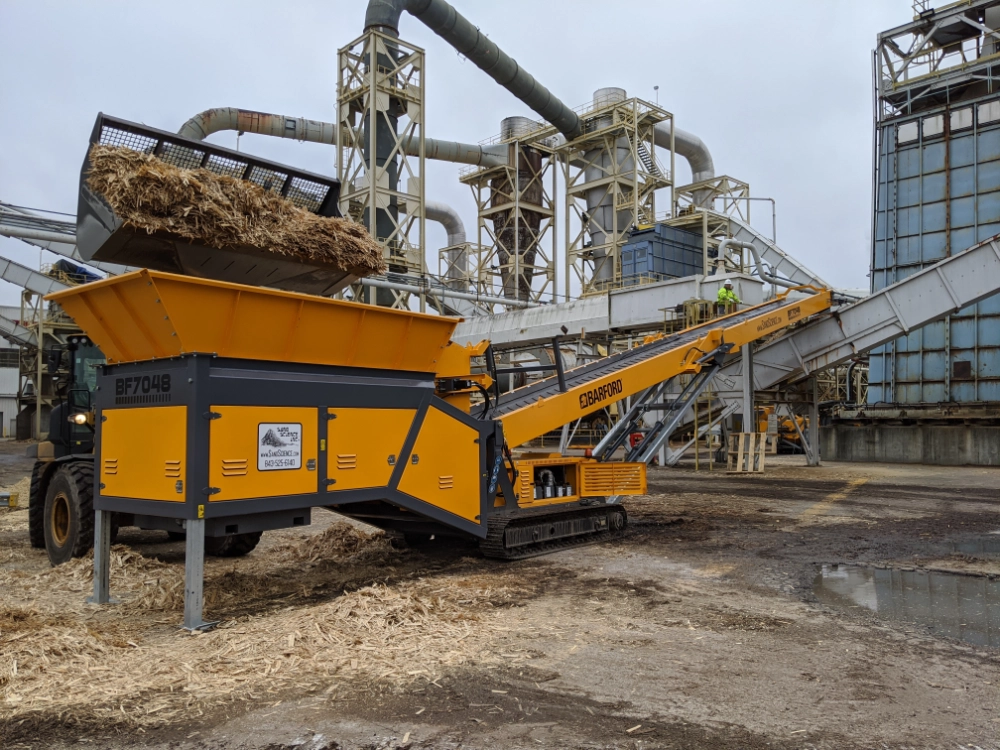
Barford BF7048 Hopper/Feeder
- Features: High-capacity 13-cubic-yard hopper equipped with a hydraulic auger to prevent material bridging.
- Benefits: Ensures a steady, uninterrupted material flow into your crusher to maximize processing efficiency and eliminate downtime.
What Are Mobile and Stationary Crushers and Their Roles in Recycling and Aggregate Processing?
Mobile crushers process material on site to reduce haulage and associated costs; they are ideal for temporary or spread‑out projects. Stationary crushers are engineered for fixed‑site, continuous operation where sustained high throughput is required. Both improve material handling efficiency and support site productivity and recycling goals. Jaw crushers, in particular, play a critical role in these processes by efficiently breaking down hard materials into manageable sizes.
Applications in Recycling and Aggregate Processing:
Key Specifications and Features of Aggregate Crushing Equipment
Review specifications carefully before procurement. Important attributes include crushing capacity (tons per hour), power source (diesel, electric or hybrid), and physical size and weight, which influence transport, installation and site logistics. Jaw crushers typically feature robust jaw plates and adjustable settings to control output size.
Advancing Energy Efficiency and Hybrid Crusher Technology
Industry research continues to focus on improving mobile crusher energy efficiency, including hybrid powertrains that lower fuel use and emissions.
Flexible Equipment Solutions: Rental and Purchase Options for Your Project
Comparing Mobile Crusher Rental Versus Purchase Options
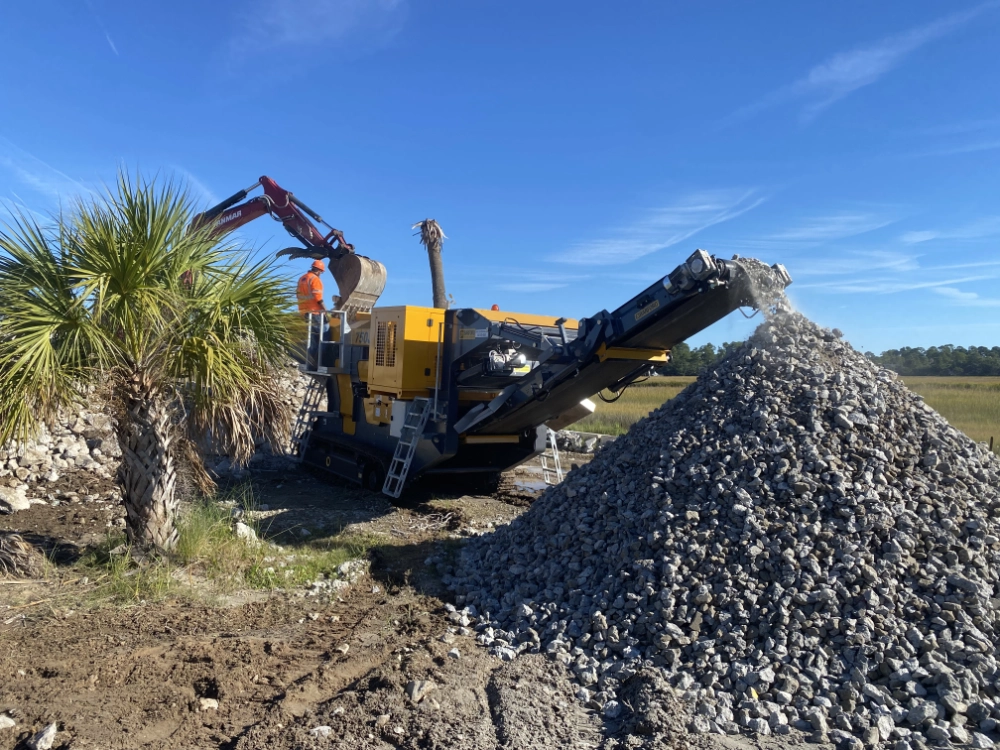
- Flexibility of Renting: Renting mobile jaw crushers reduces upfront capital outlay and provides project-level versatility, making it the ideal choice for short-term or one-off jobs where fleet adaptability is required.
- Long-Term Costs of Renting vs. Purchasing: While renting is perfect for immediate needs, purchasing often becomes the more economical path for frequent, long-term use as the cumulative cost of rental payments begins to exceed ownership expenses.
- Asset Ownership Benefits: Choosing to buy allows your business to build equity and manage long-term utilization, though it requires a careful comparison of maintenance needs and depreciation to ensure a cost-effective investment.
How to Inquire and Access Maintenance Support for Crusher Equipment
For further information or to contact the company, visit the Sand Science Inc. contact page.
Mobile and Stationary Crushers: Frequently Asked Questions
What types of materials can be processed by mobile and stationary crushers?
Mobile and stationary crushers are designed to handle a variety of materials, including concrete, asphalt, rocks, and other aggregates. The specific type of crusher selected often depends on the material characteristics, such as hardness and size. For instance, jaw crushers are particularly effective for hard materials, while impact crushers may be better suited for softer aggregates. Understanding the material type is crucial for optimizing the crushing process and achieving the desired output size.
How do I determine the right size of a crusher for my project?
Choosing the right size of a crusher involves assessing your project’s capacity requirements and the volume of material to be processed. You should consider the expected throughput, which is typically measured in tons per hour. Additionally, evaluate the physical dimensions of the crusher to ensure it fits within your operational space. Consulting with equipment suppliers can provide insights into the best options based on your specific needs and site constraints.
What are the benefits of renting versus purchasing a crusher?
Renting a crusher offers flexibility and lower upfront costs, making it ideal for short-term projects or one-off jobs. It allows you to avoid maintenance and storage concerns associated with ownership. Conversely, purchasing a crusher can be more economical for long-term use, as it eliminates rental fees and provides full control over the equipment. Evaluating your project duration, expected utilization, and total cost of ownership will help you make the best decision for your business.
What maintenance practices are essential for ensuring crusher longevity?
How can I improve the energy efficiency of my mobile crusher?
Improving the energy efficiency of a mobile crusher can be achieved through several strategies. Implementing hybrid powertrains can reduce fuel consumption and emissions. Additionally, optimizing operational practices, such as ensuring proper loading and minimizing idle time, can enhance efficiency. Regular maintenance to keep the equipment in peak condition also plays a vital role. Staying informed about advancements in technology and energy-efficient models can further contribute to reducing operational costs.
Are there specific regulations or standards for operating crushers in recycling and aggregate processing?
Yes, operating crushers in recycling and aggregate processing is subject to various regulations and standards, which can vary by region. These may include environmental regulations regarding emissions and noise, safety standards for equipment operation, and guidelines for waste management. It is essential to familiarize yourself with local laws and industry standards to ensure compliance and promote safe and sustainable operations. Consulting with industry experts can provide valuable insights into these requirements.
Questions on these machines?
Would you like more information on the equipment we offer? Let us know how we can help, and one of our expert sales team will be in contact shortly to answer any questions you may have.