Vibrating & Deck Screens: A Complete Guide for Aggregate & Compost
Vibrating and deck screens reliably separate material in aggregate and compost operations and help keep processing rates steady. This guide highlights core features, operational benefits, key specifications, and selection and maintenance considerations so you can match equipment to material and duty cycle, reduce waste, and increase throughput.
Featured Vibrating Screens at Sand Science
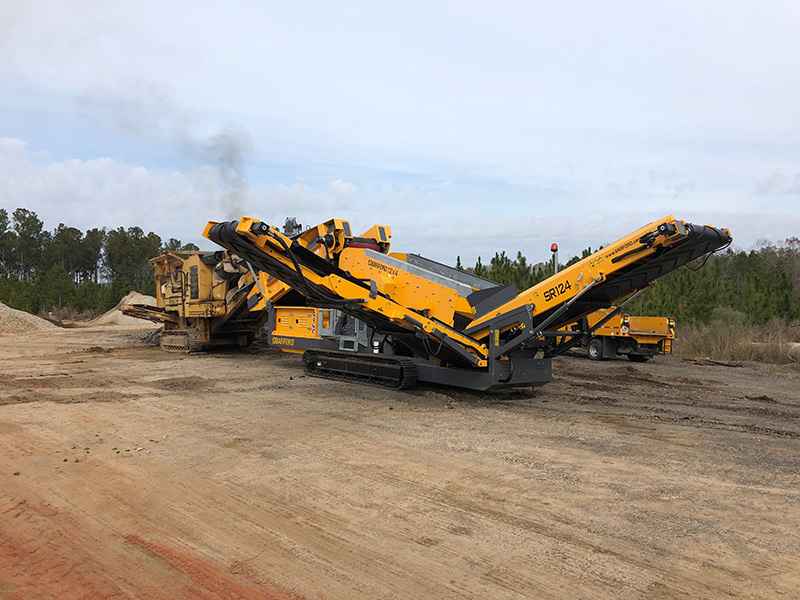
Barford SR124
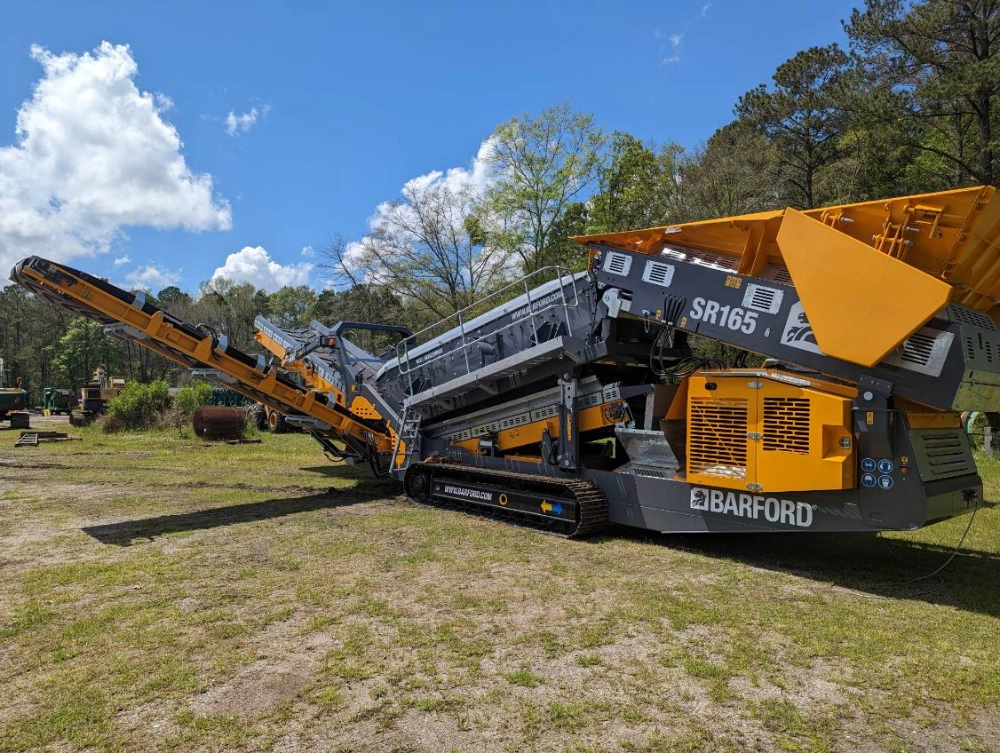
Barford SR165
Key Features of Vibrating & Deck Screens for Aggregate and Compost
These machines pair rugged construction with configurable motion and a range of screening surfaces to meet industrial demands.
Durability
Heavy-duty frames and wear-resistant components stand up to abrasive conditions and minimize downtime.
Adjustable Vibration Settings
Frequency and stroke controls let operators tune separation for different feeds and desired product gradations.
Screen Size Options
Multiple aperture sizes and surface areas support required throughput and final-product specifications.
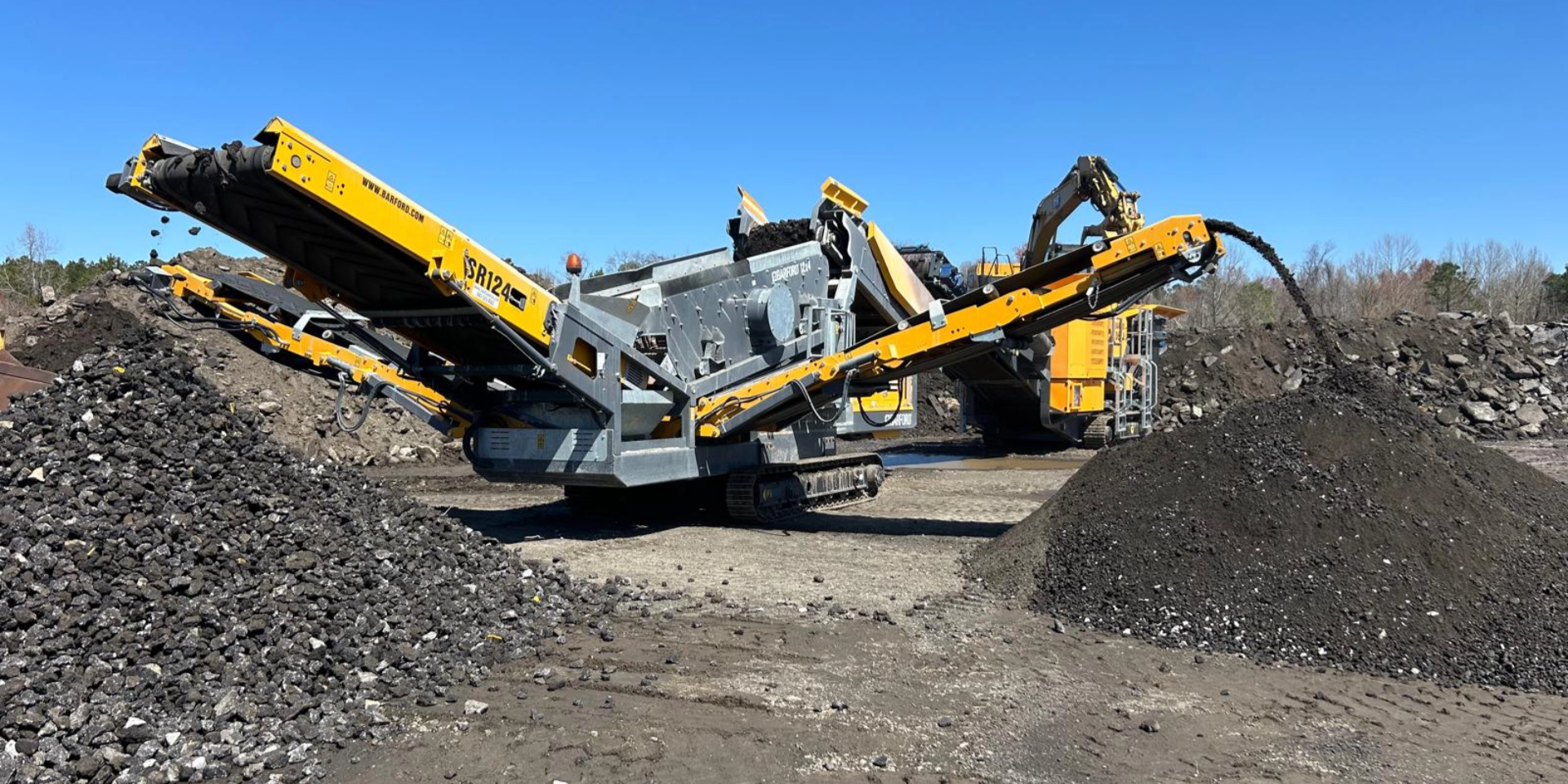
How do vibrating screens optimize aggregate processing?
- Enhanced Material Flow: Deck geometry and spacing encourage steady throughput and resist clogging.
- Versatility:Effective across a range of moisture levels and particle sizes.
- Cost-Effectiveness: Improved flow and fewer interruptions lower operating costs over time.
How to choose the right screening equipment for aggregate and compost applications?
- Assess Project Requirements: Document material types, volumes, contamination risks, and target product sizes.
- Evaluate Equipment Specifications: Compare screen area, deck count, vibration frequency, stroke, and media options against your needs.
- Consider Rental vs Purchase: Balance capital cost, expected utilization, and project duration to pick the most economical route.
What specifications should be considered for vibrating and deck screens?
Critical specs include screen dimensions, motion characteristics, and material compatibility; these determine throughput and separation performance.
Area and aperture dimensions of the screening surface
Importance:
Directly affects throughput and separation accuracy
Rate and stroke of the screen’s motion
Importance:
Controls particle movement, stratification, and discharge
Resistance to abrasion, tolerance for moisture, and handling of particle shapes
Importance:
Determines wear life and reliable operation
What are the best practices for maintaining vibrating and deck screening equipment?
- Regular Servicing Intervals: Set inspection schedules and replace wear parts before they fail.
- Common Maintenance Tasks: Clean screening media, lubricate bearings, and check fasteners and drive components regularly.
- Troubleshooting Tips: Watch vibration patterns, feed distribution, and blinding to catch problems early.
What rental services does Sand Science Inc offer for screening equipment?
- Types of Equipment Available for Rent: Screening and processing units sized to common aggregate and compost applications.
- Rental Terms and Conditions: Flexible agreements designed to match project timelines and budgets.
How to request a quote for vibrating and deck screens?
Vibrating & Deck Screens: Frequently Asked Questions
What types of materials can be processed using vibrating and deck screens?
How do I know if my vibrating screen is operating efficiently?
What are the environmental benefits of using deck screens in composting?
Can vibrating screens be customized for specific applications?
What safety measures should be taken when operating vibrating and deck screens?
How can I improve the lifespan of my vibrating screen?
Questions on these machines?