Conveyor Systems for Efficient Material Handling & Processing
Conveyor systems are central to efficient material handling and processing. They move materials consistently, cut down on manual labor, and help teams keep production moving. This article walks through common conveyor types, their core benefits, industry applications — from construction and aggregate to recycling — plus the advantages of renting equipment and best-practice maintenance tips. Understanding these elements helps businesses streamline operations and raise throughput.
Efficient material handling isn’t optional — it’s what keeps manufacturing and distribution running without costly interruptions.
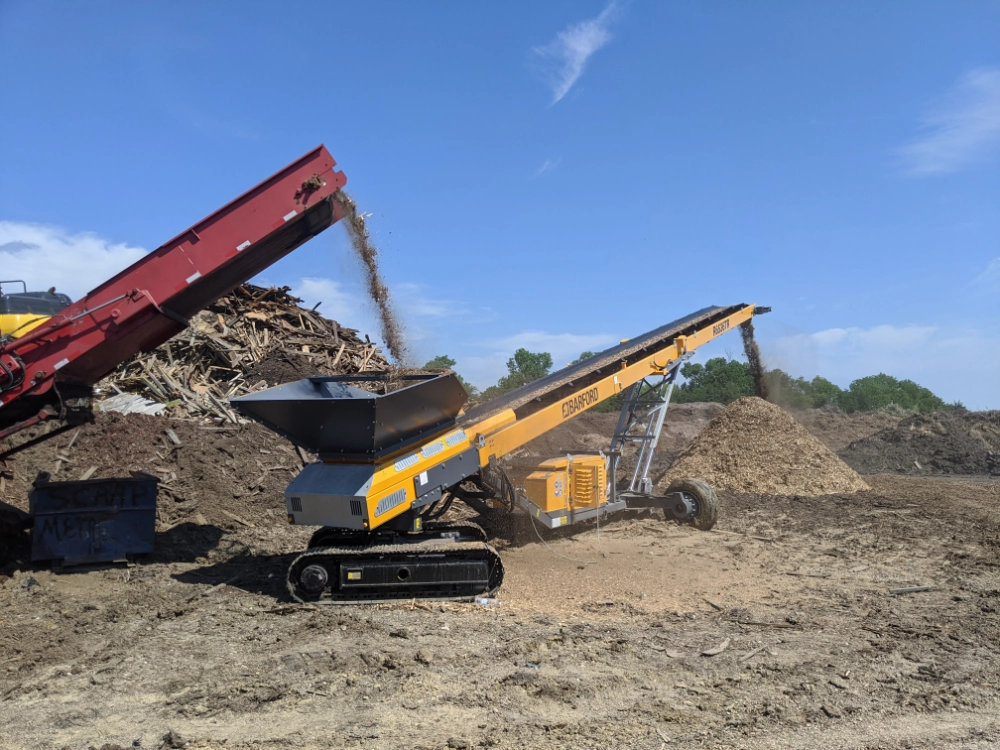
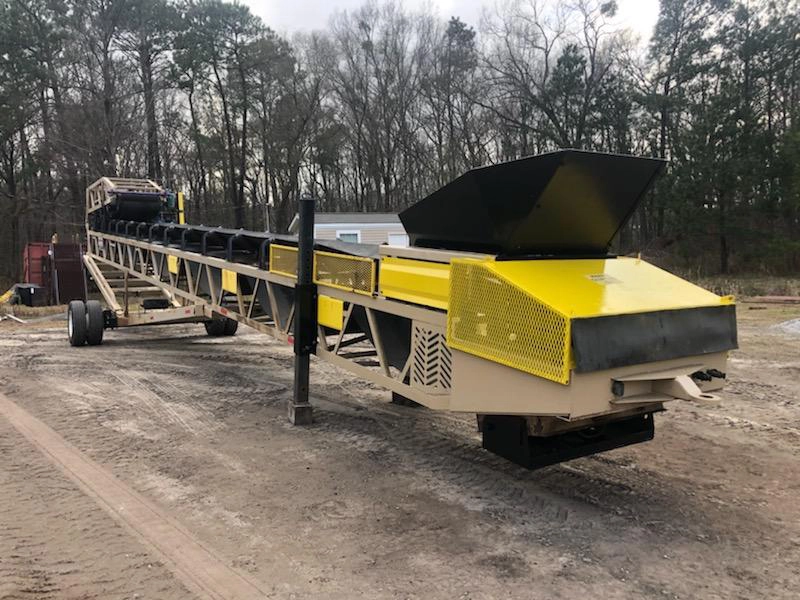
What Are Conveyor Systems and How Do They Improve Material Handling Efficiency?
What Are the Key Features and Benefits of Conveyor Equipment?
- Cost Efficiency: Belt systems typically offer a lower cost per transported unit over long runs, making them economical for high-volume applications.
- Higher Throughput: Continuous movement supports steady material flow and reduces cycle interruptions, boosting output.
- Improved Safety: Modern belt conveyors include safety features such as emergency stops, guarding, and access controls that reduce incident risk.
Defining Bulk, Belt, and Modular Conveyor Solutions
Conveyors come in several core configurations to match different materials and site requirements. The main categories are bulk conveyors, belt systems, and modular conveyors — each built for specific loads, distances, and operating conditions. Knowing the differences between these systems helps you select the best fit for capacity, footprint, and material characteristics.
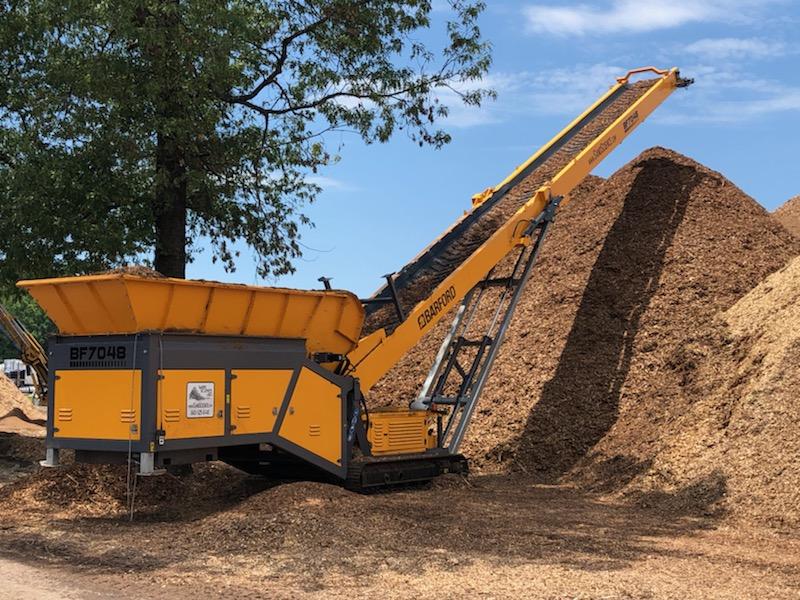
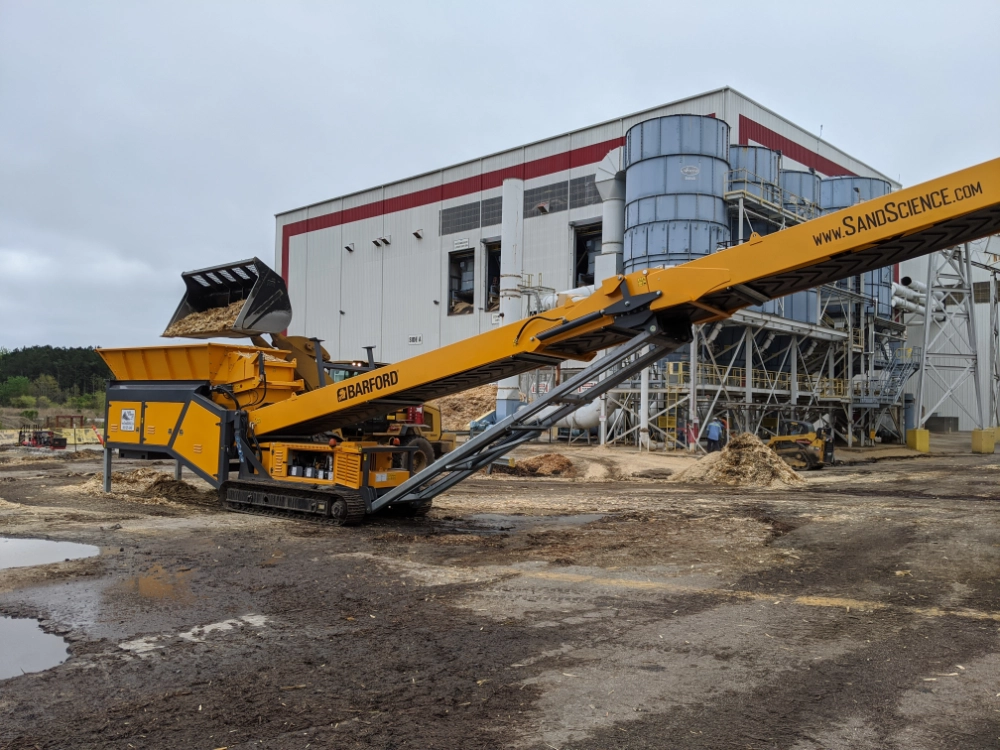
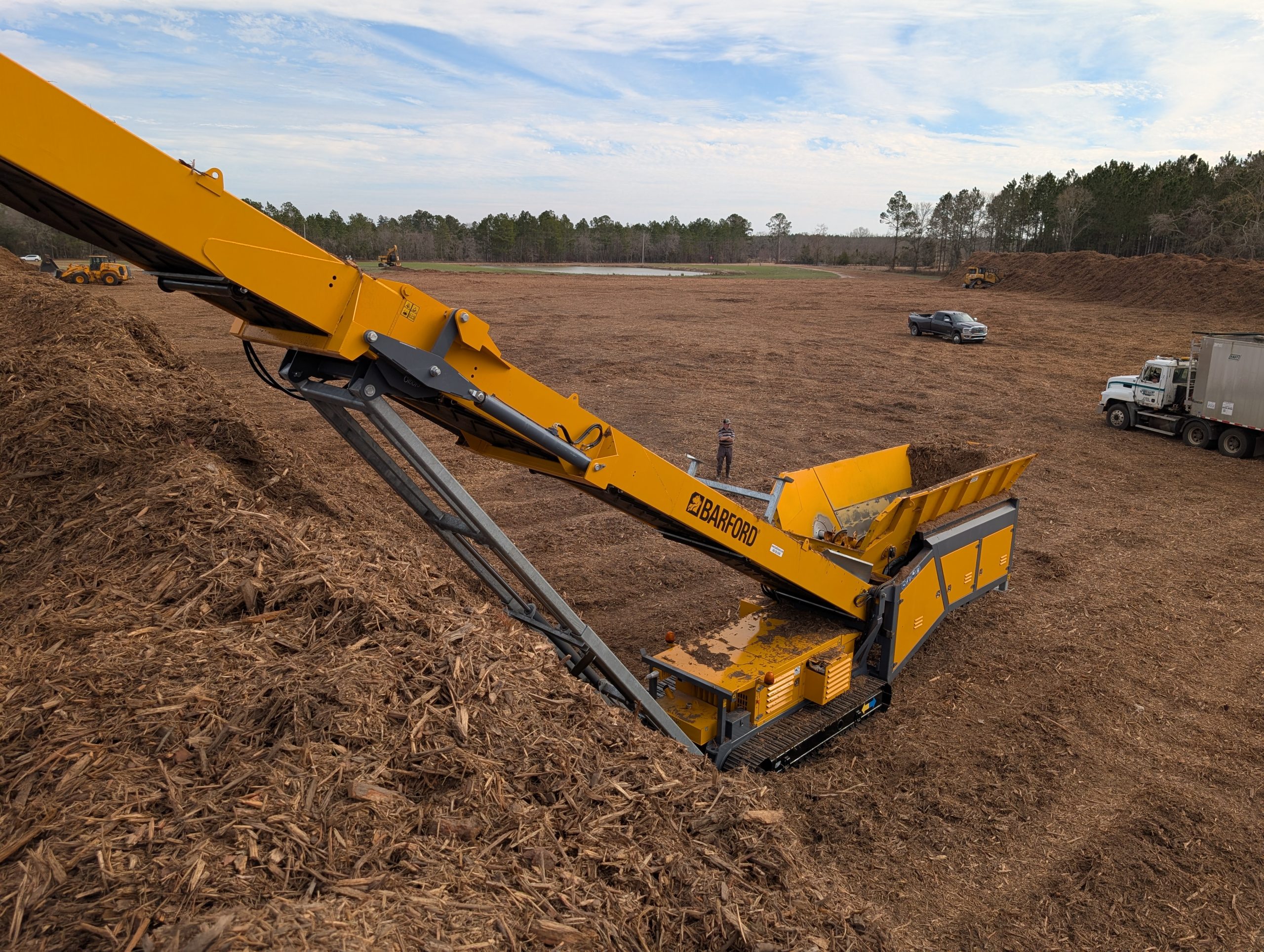
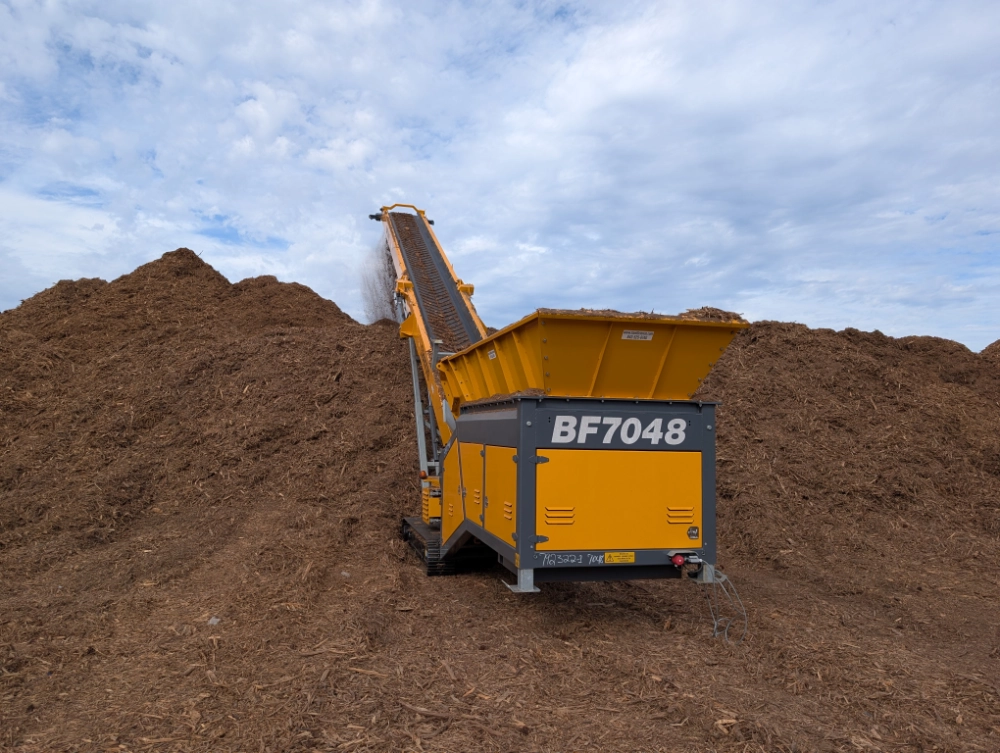
Barford BF7048
- Features: Compact Design
- Benefits: Supports faster, more flexible material intake
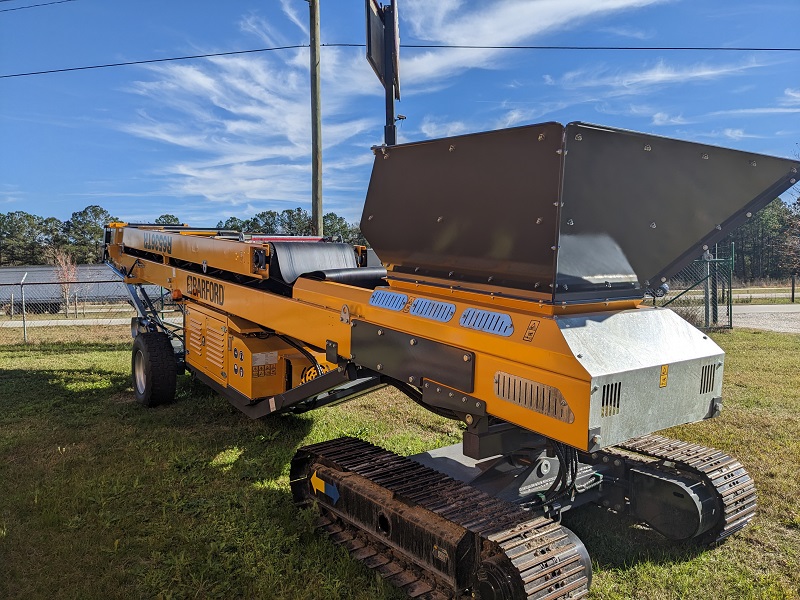
Barford Track Stackers
- Features: Multiple lengths and belt widths
- Benefits: Fits a wide range of material handling applications
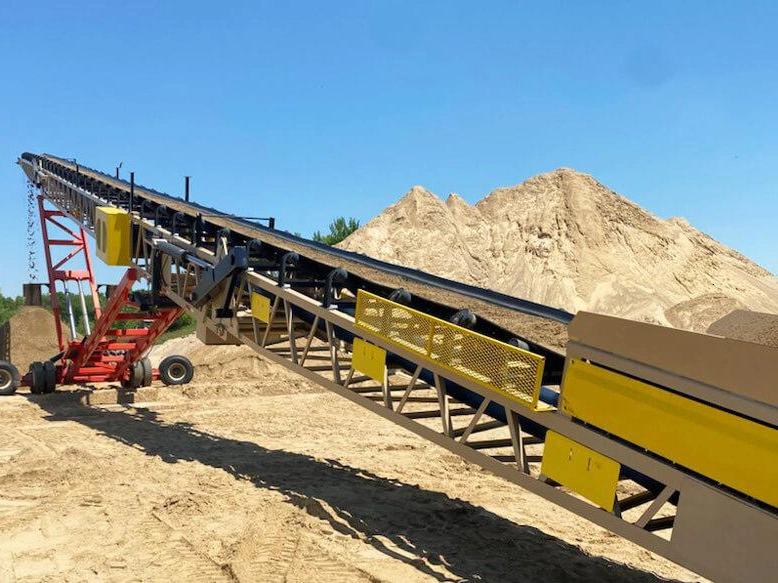
Kafka Wheeled Conveyors
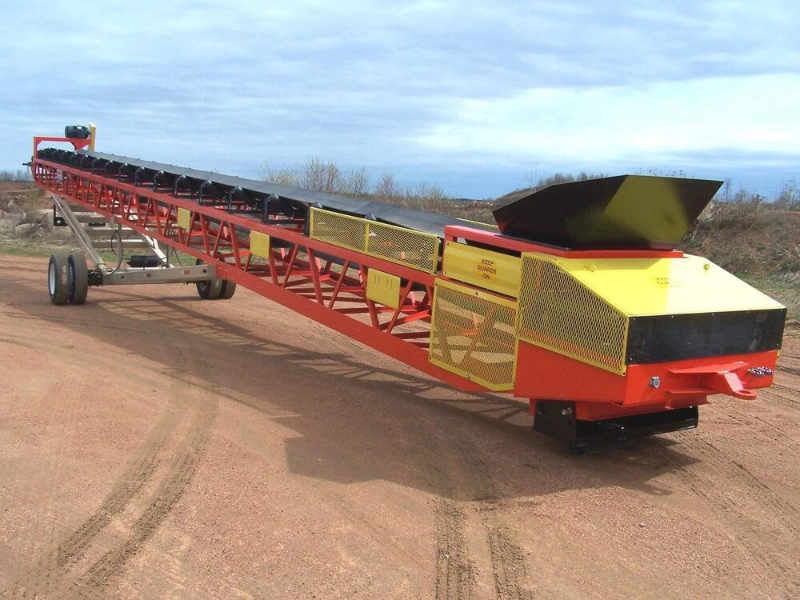
- Features: Road and pit portable options
- Benefits: Adapts easily to different jobsite applications
How Conveyor Rentals Support Flexible Industrial Operations
Renting conveyors gives teams operational flexibility without the capital commitment of buying. It’s a practical option for short-term projects, seasonal demand, or trials of new equipment. Rental services let businesses stay agile while controlling costs and maintaining productivity.
Advantages of Renting Conveyor Equipment
Renting conveyor equipment lowers upfront costs, supports short-term and seasonal projects, and gives businesses access to flexible, up-to-date material handling solutions without long-term ownership commitments.
Key Conveyor System Advantages for Improved Material Handling
Conveyor systems deliver measurable benefits across construction, aggregate, and recycling by simplifying material flow and cutting labor intensity. When conveyors replace truck haulage, they can also reduce fuel use and emissions while improving site safety and throughput. The right conveyor setup improves productivity and often lowers the environmental footprint for these industries.
Conveyor system applications in Construction, Aggregate, and Recycling
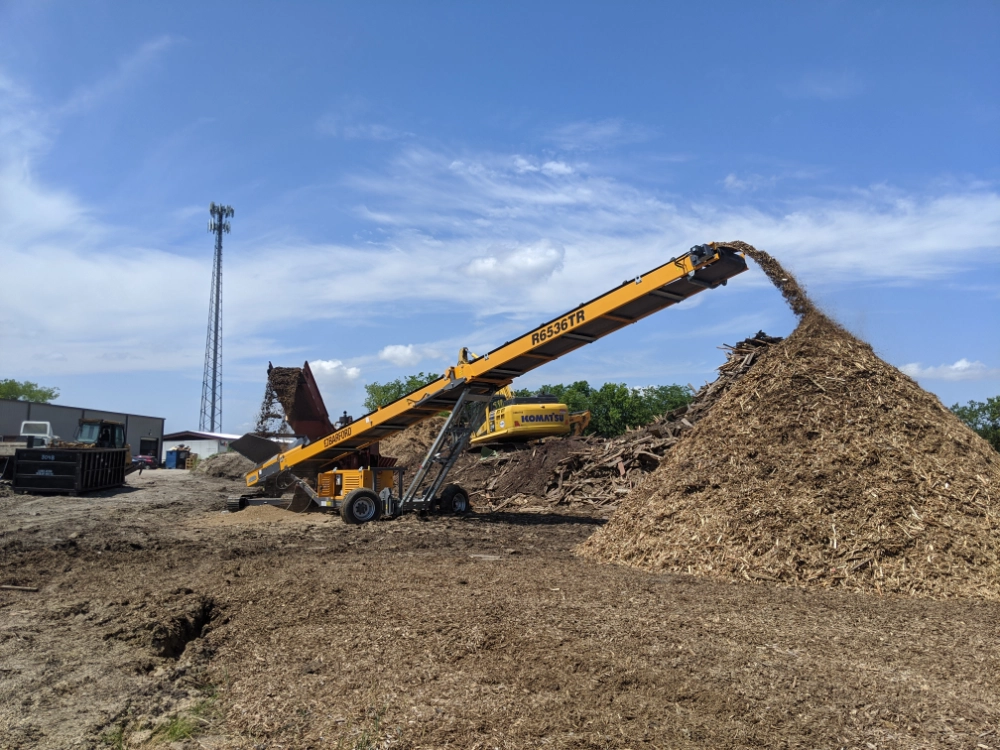
Conveyor systems improve material handling in construction, aggregate, and recycling by increasing throughput, reducing labor, and supporting efficient transport of gravel, debris, and sorted materials across demanding industrial environments.
What Are the Options for Purchasing or Renting Conveyor Equipment?
Businesses may purchase or rent conveyor equipment depending on project length and financial priorities. Purchasing offers long-term control and potential lifecycle cost reduction. Renting is a practical solution for short-term projects, variable demand, and access to current technology without major upfront costs.
Comparing Rental and Purchase Solutions for Conveyor Systems
- Lower Initial Investment: Rentals remove large capital outlays and simplify budgeting.
- Flexible Equipment Choice: Choose the best machine for the task without being locked into one model.
- Access To Current Technology: Rentals let you use up-to-date equipment and upgrades without ownership responsibility.
How to Inquire and Access Support for Conveyor Systems
Conveyor Systems: Frequently Asked Questions
What factors should I consider when choosing a conveyor system for my business?
When selecting a conveyor system, consider factors such as the type of materials being handled, the volume of material flow, the layout of your facility, and the specific operational requirements. Assess the distance the materials need to be transported and whether the system needs to accommodate changes in elevation. Additionally, evaluate the maintenance needs and the potential for future scalability. Understanding these elements will help you choose a conveyor that optimally fits your operational goals.
How can conveyor systems improve workplace safety?
Conveyor systems enhance workplace safety by reducing manual handling of heavy materials, which minimizes the risk of injuries. Modern conveyors are equipped with safety features such as emergency stops, guards, and access controls that help prevent accidents. Additionally, by streamlining material flow, conveyors reduce congestion and improve overall site organization, allowing workers to navigate more safely. Implementing proper training on conveyor operation and safety protocols further contributes to a safer working environment.
What are the environmental benefits of using conveyor systems?
Conveyor systems can significantly reduce the environmental impact of material handling operations. By replacing truck transport with conveyors, businesses can lower fuel consumption and greenhouse gas emissions. Conveyors also minimize soil disturbance and reduce noise pollution on job sites. Furthermore, efficient material flow leads to less waste and better resource management, contributing to a more sustainable operation. Overall, integrating conveyor systems can enhance both productivity and environmental responsibility.
Can conveyor systems be customized for specific industry needs?
Yes, conveyor systems can be highly customized to meet the specific needs of various industries. Customizations may include adjustments in size, material, and design to accommodate unique operational requirements. For example, conveyors used in recycling may be designed for high-throughput sorting, while those in construction may need to withstand abrasive materials. Collaborating with manufacturers to tailor conveyor solutions ensures that they effectively address the challenges and demands of your particular industry.
How do I determine the right maintenance schedule for my conveyor system?
Questions on these machines?
Would you like more information on the equipment we offer? Let us know how we can help, and one of our expert sales team will be in contact shortly to answer any questions you may have.