Compost Trommel Screens: Professional Rental and Sales Solutions
Compost screening is a critical step in turning organic waste into usable material. This guide walks through practical compost screening solutions with a focus on trommel screens—machines known for reliable size separation and high throughput. You’ll find an overview of trommel types, rental versus purchase considerations, and best practices for choosing and operating equipment. As more operations prioritize sustainability and resource recovery, clear guidance on screening equipment helps you improve compost quality and operational efficiency.
Compost screening systems are engineered to streamline organic waste processing and improve final product quality. Among the available options, trommel screens stand out for their simplicity and effectiveness: a rotating cylindrical drum separates material by size so contaminants are removed and usable compost is recovered. Choosing the right equipment depends on the feedstock characteristics, desired output specification, and required throughput. Understanding those variables is essential to match the machine to your process and goals.
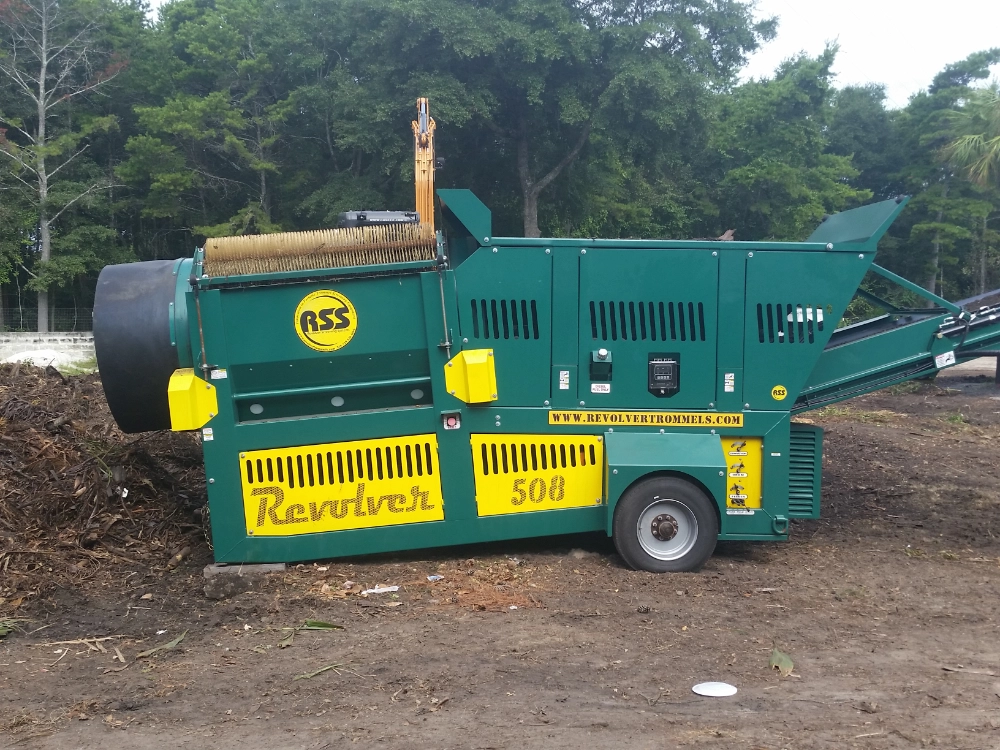
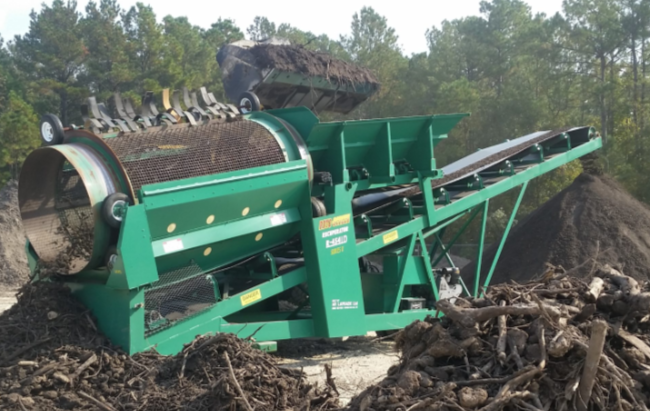
What Are Compost Trommel Screens and Their Key Benefits?
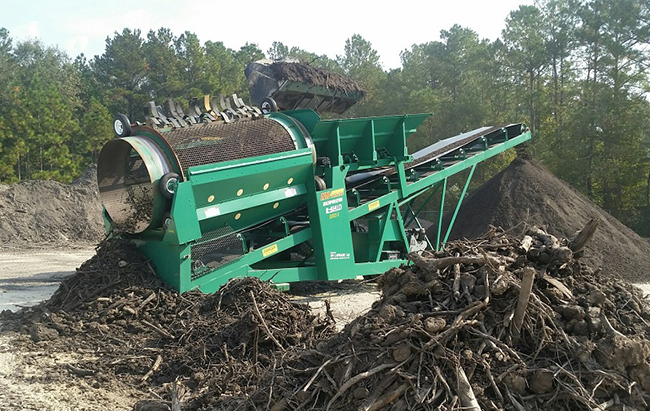
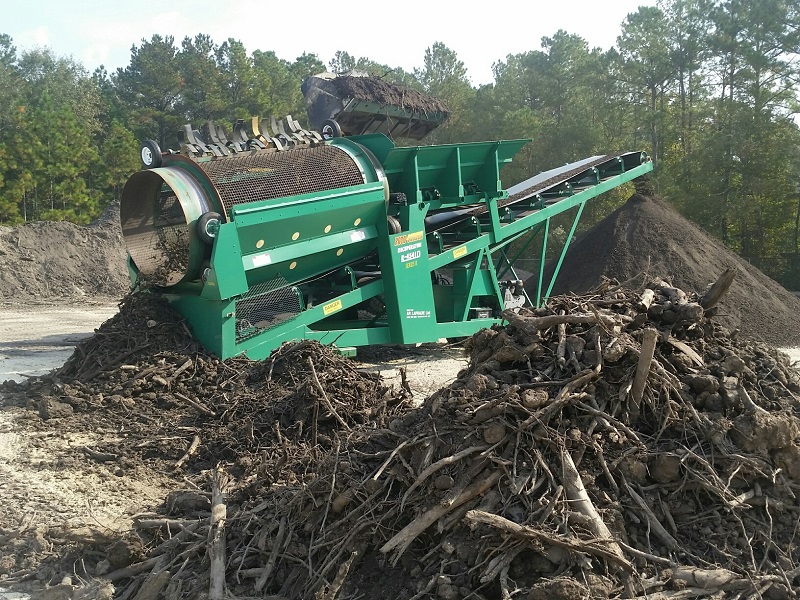
Roto-Screen 454
Stronger, more versatile, and easier to use—Roto-Screen delivers reliable performance and big savings that boost your bottom line.
MORE…
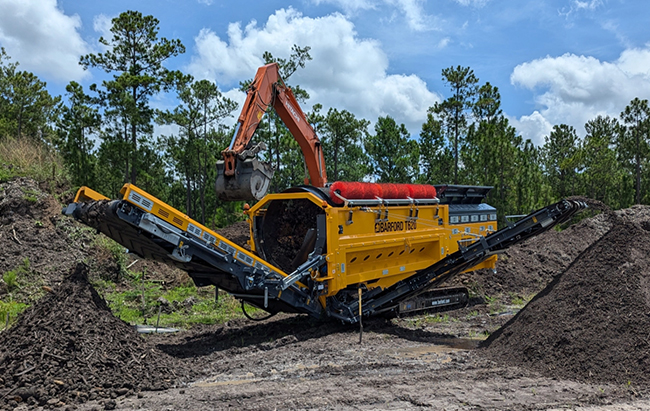
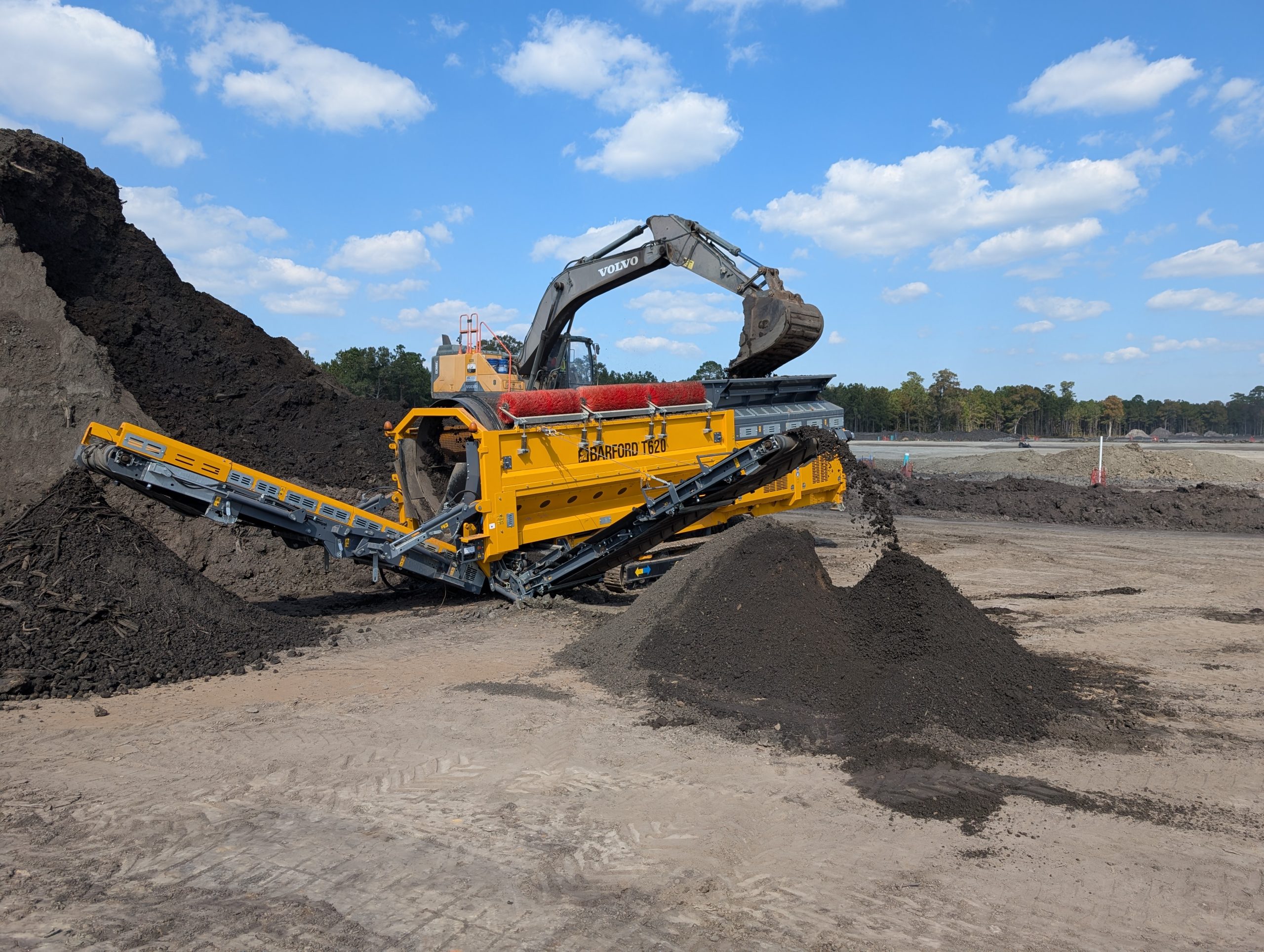
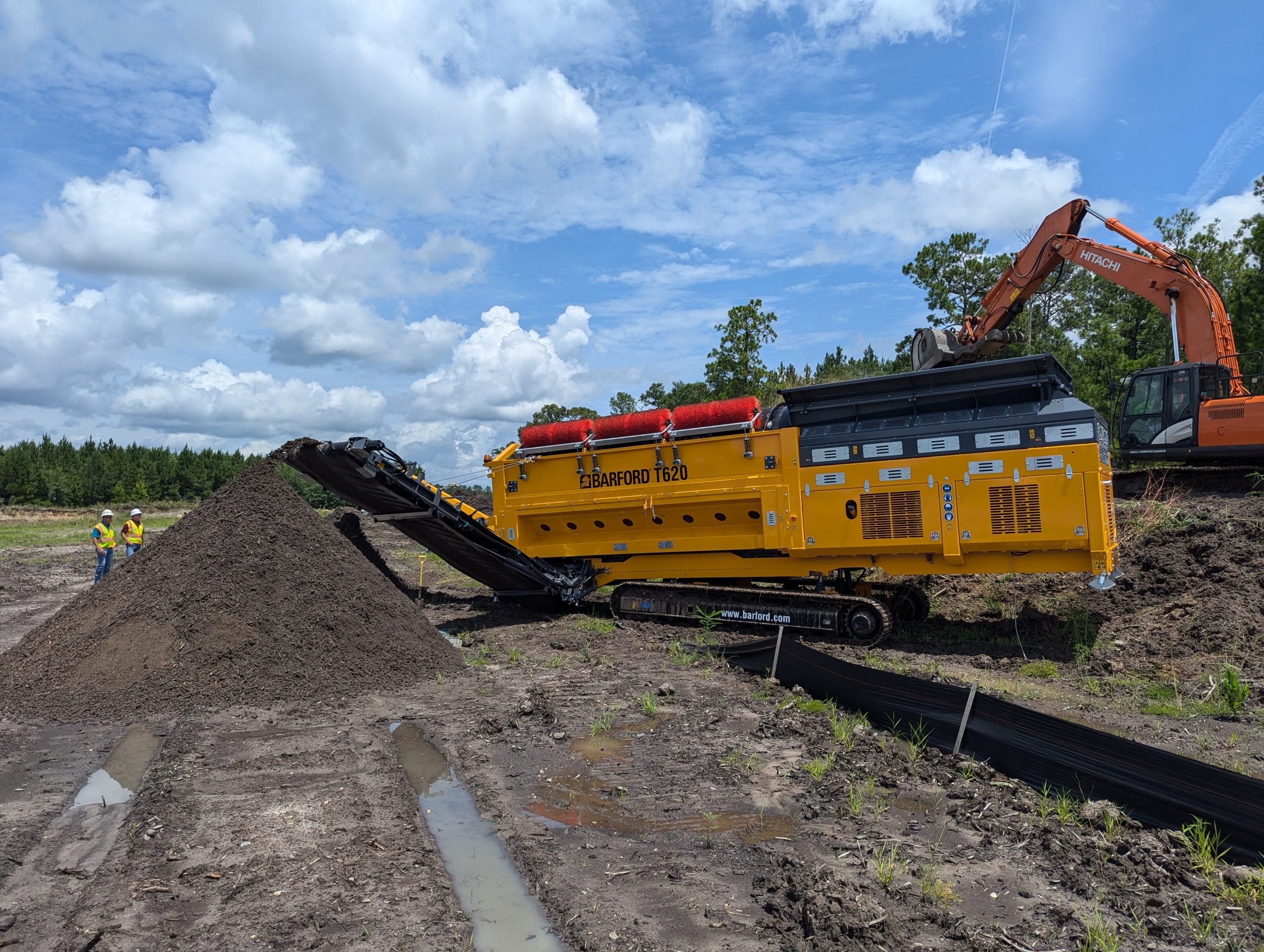
Barford T620
Barford T620 delivers high-output screening power with cutting-edge tech—perfect for topsoil, mulch, compost, and more, anywhere you need it.
MORE…
How Does a Rotary Trommel Screen Operate in Organic Waste Processing?
Key Advantages of Trommel Screens for Material Processing
Trommel screens offer clear advantages across recycling and material handling:
- Versatility in Material Processing: They handle a wide span of organic and mixed wastes, adaptable with different meshes and configurations.
- High Production Capacity: Designed for continuous feed, trommels can process substantial volumes when matched to the correct drum and power setup.
- Sustainability Contributions: Effective separation reduces contamination and supports recycling and composting programs.
Types of Trommel Screens
Portable Trommel Screens
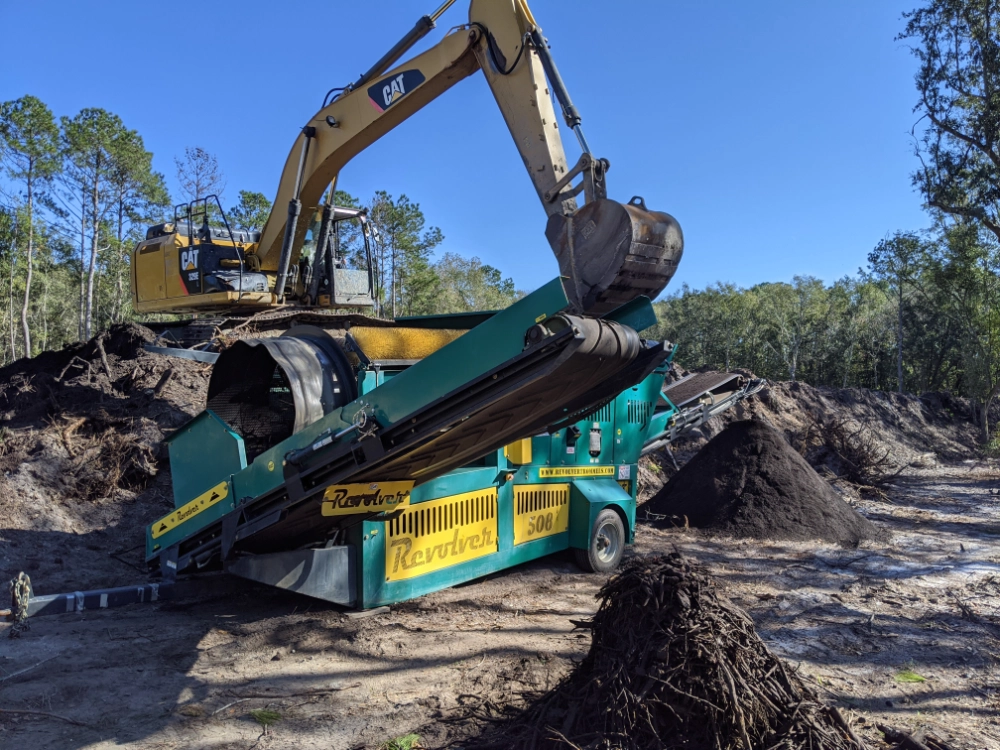
Portable models prioritize mobility and quick setup. They’re ideal for sites with limited space, operations that move between locations, or temporary projects. Despite their compact footprint, portable trommels deliver dependable separation and are easy to transport and redeploy.
Stationary Trommel Screens
Stationary trommels are built for continuous, high-capacity operation. These robust units are best for fixed facilities that need consistent throughput and long-term reliability. Their heavier construction supports higher production rates and extended duty cycles.
How to Select the Right Compost Screening Machine for Your Needs?
- Screening Capacity: Size your equipment to the volume you expect to process, allowing for peak loads.
- Type of Material: Match mesh, drum design, and feed system to the specific feedstock mix.
- Operational Requirements: Consider how easy it is to operate, the maintenance profile, and options for customization.
Which Screening Equipment Features Affect Efficiency and Capacity?
- Drum Size: Larger drums hold more material and can increase throughput, with space and power trade-offs.
- Production Rate: The machine’s hourly output, influenced by drum speed, mesh, and feed control.
- Mobility: Portable units give flexibility for multiple sites; stationary units typically offer higher sustained throughput.
What Screen Mesh Sizes Are Best for Different Compost Materials?
- Larger Mesh Sizes: Best for coarse, bulky material—faster throughputs and easier separation.
- Smaller Mesh Sizes: Needed for fine compost and to remove small contaminants; expect slower throughput and more frequent cleaning.
Effective Methods for Organic Waste Screening
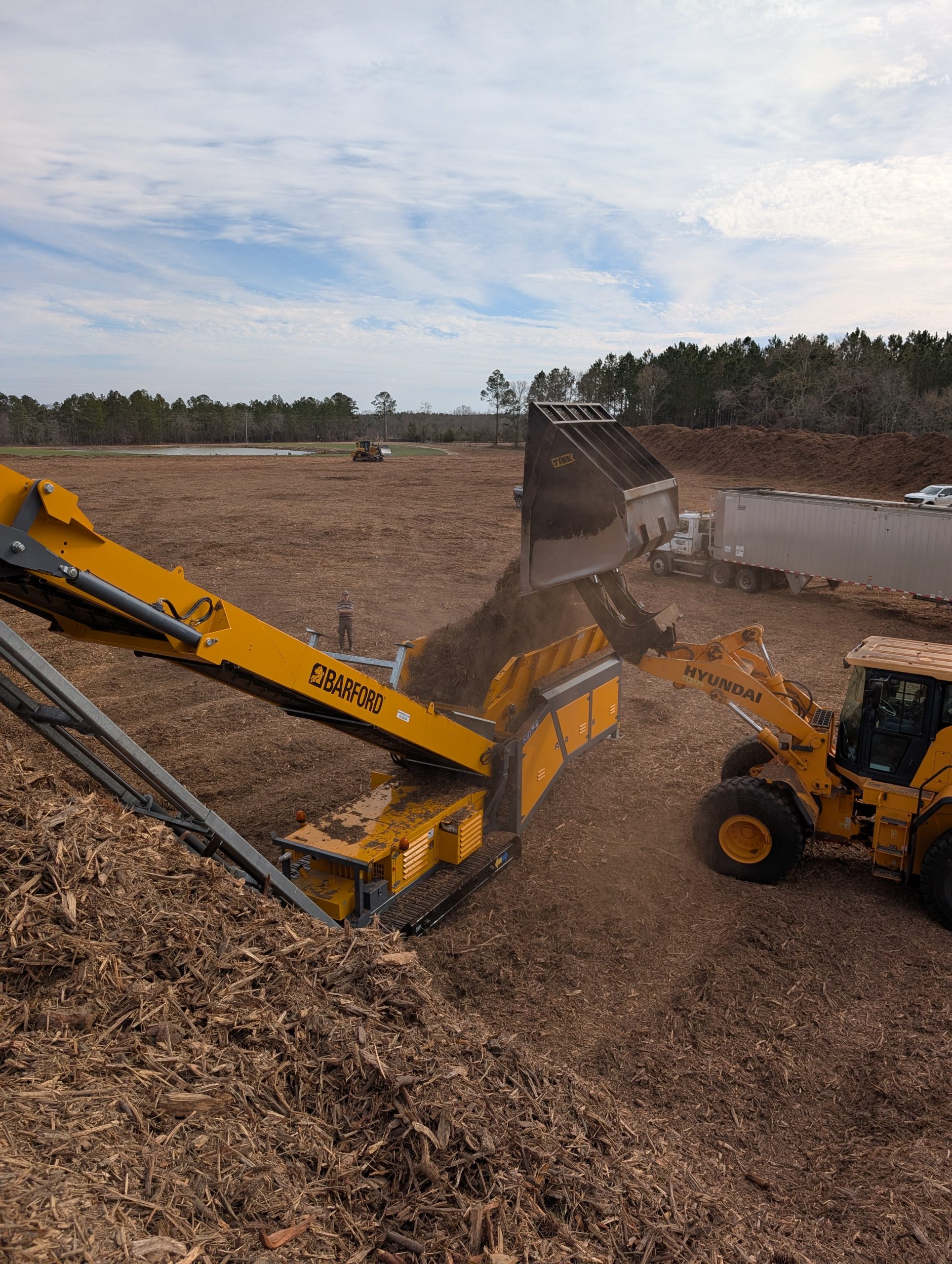
Effective screening blends the right machine with process controls. Modern trommel designs improve versatility—allowing different screen meshes, adjustable speeds, and feed systems—which increases useful output and reduces contamination. Simple, serviceable designs also minimize downtime and let operators focus on optimizing throughput and product quality.
What Are the Options for Trommel Screen Rental vs. Purchase?
Renting reduces upfront cost and offers flexibility, while buying can be more economical for frequent, long-term use. Rentals work well for pilot projects, seasonal demand, or when you need a quick increase in capacity. Purchase makes sense if usage is predictable and frequent, since total cost of ownership can be lower over time.
Comparing Rental and Purchase Options for Trommel Screens
- Cost Factors: Compare total rental cost against purchase, factoring in maintenance, transport, and downtime.
- Flexibility of Rentals: Match rental length and service options to your project timeline and potential changes in demand.
- Long-term vs. Short-term Considerations: Think about expected frequency of use; frequent or ongoing needs may justify purchase, while occasional or trial use often favors renting.
What Should You Consider Before Buying Compost Screening Machinery?
- Key Features: Verify the machine meets your material, throughput, and site requirements.
- Budget Considerations: Look at purchase price plus transport, installation, maintenance, and downtime costs.
- Operational Requirements: Ensure operator training, spare parts availability, and service support are in place.
Before you buy, be sure to assess these points. Thorough evaluation reduces surprises and supports long-term value from your investment.
Get in Touch and Explore Our Equipment
Compost Screening Equipment: Frequently Asked Questions
What factors should I consider when choosing a trommel screen for my composting operation?
When selecting a trommel screen, consider the type of material you will process, the desired throughput, and the specific site conditions. Assess the drum size, as larger drums can handle more material but require more space and power. Additionally, evaluate the screen mesh size to ensure it matches your composting needs, as this affects both separation efficiency and product quality. Finally, consider the ease of operation and maintenance requirements to ensure smooth operation.
How can I optimize the performance of my trommel screen?
To optimize trommel screen performance, focus on adjusting the drum speed, slope, and mesh size according to the material being processed. Regular maintenance is crucial; establish a routine inspection schedule to identify wear and tear early. Training operators on feed control and troubleshooting can also enhance efficiency. Monitoring throughput and reject rates will help you make informed adjustments to improve separation quality and reduce downtime.
What are the environmental benefits of using trommel screens in composting?
Trommel screens contribute to environmental sustainability by effectively separating organic waste, which reduces contamination in compost products. This enhances the quality of the compost, making it more suitable for agricultural use and promoting soil health. By improving the efficiency of composting operations, trommel screens support resource recovery and recycling efforts, ultimately reducing landfill waste and promoting a circular economy.
How do I determine the right mesh size for my trommel screen?
Choosing the right mesh size depends on the type of material you are processing. For coarse, bulky materials, larger mesh sizes allow for faster throughput and easier separation. Conversely, smaller mesh sizes are necessary for fine compost and to remove small contaminants, though they may slow down processing speed. It’s essential to balance the need for product quality with operational efficiency when selecting mesh size.
What are the common maintenance practices for trommel screens?
What should I do if my trommel screen is experiencing clogging issues?
Are there specific training requirements for operating trommel screens?
Questions on these machines?
Would you like more information on the equipment we offer? Let us know how we can help, and one of our expert sales team will be in contact shortly to answer any questions you may have.