SAND & GRAVEL SCREENING · SALES · RENTALS · SUPPORT
Sand and Gravel Screening Equipment for Sale and Rent
Sized sand and clean gravel start with the right screen. Sand Science Inc. sells and rents scalping screens, wash plants, and stackers built for aggregate production.
Produce Sand and Gravel That Meets Spec
Aggregate gets paid for by the spec it hits. Sand that carries too many fines, or gravel that comes across with undersize mixed in, either gets rejected or gets sold at the wrong price. The right screening setup separates your pit run into clean, consistent products the first time through, and it does it on site instead of at somebody else’s plant. Sand Science Inc. sells and rents the scalping screens, washing plants, and conveying equipment that aggregate producers across the Southeast use to hold spec and keep production moving.
Scalping Screens Built for Sand and Gravel
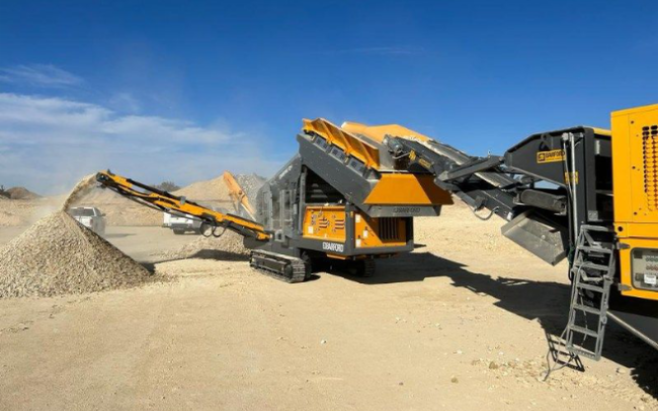
A track scalping screen is the backbone of most sand and gravel operations. The Barford SR124 runs a double deck sized for high volume sand screening, splitting pit run into finished sand, gravel, and oversize in a single pass. When your tonnage climbs or your feed carries heavier rock, the Barford SR165 brings more screen area to the same job. Both machines move on tracks, so the screen walks to the face instead of waiting on a lowboy, and deck configurations can be matched to the gradations you actually sell.
Washing Plants for Clean, Salable Aggregate
Dry screening moves a lot of material fast, but it cannot pull silt and clay off the stone. When your product carries clay-bound fines, or your buyer is testing for sand equivalent, washing is what gets you to spec. RDO washing plants scrub, rinse, and classify sand and gravel so the finished pile is clean enough to sell at full value rather than dumped into a low-grade fill pile. For producers working dirty pits or bank run with heavy fines, a wash plant often turns marginal material into the highest margin product on the yard.
Stackers and Conveyors That Separate Your Products
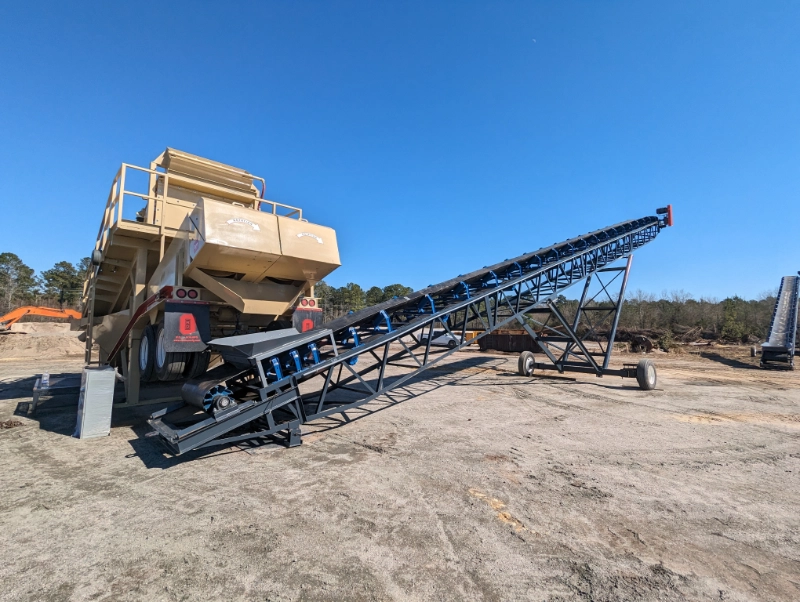
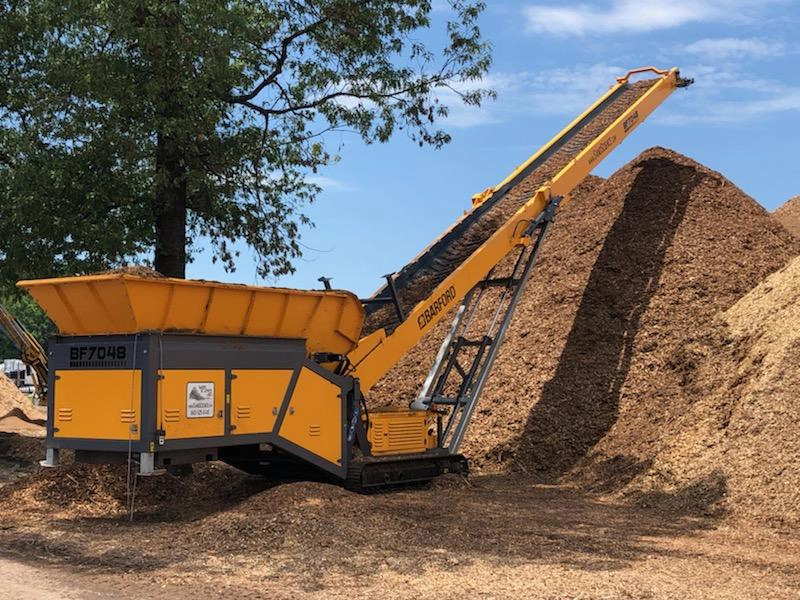
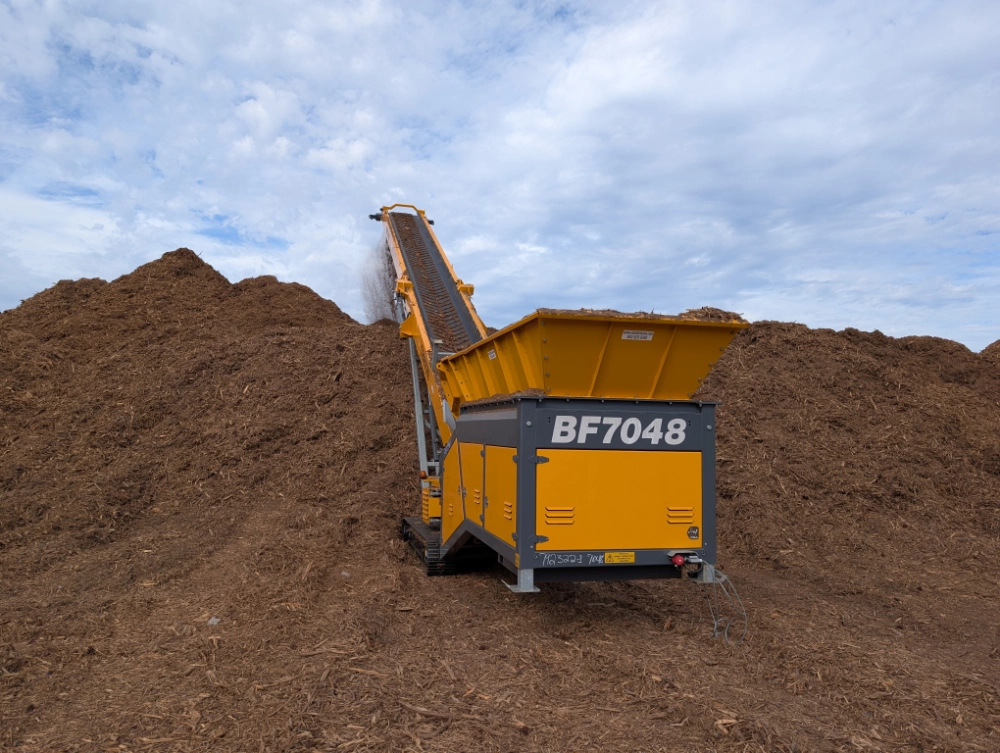
Screening into three products only helps if all three land in three clean piles. Barford track stackers build tall, radial stockpiles that hold far more tonnage in the same footprint and cut the loader hours spent rehandling material. Kafka wheeled conveyors move product between stages and reposition fast when the face shifts or the yard layout changes. Feed the whole setup with a Barford BF7048 hopper feeder and your screen runs at a steady rate instead of surging every time the loader dumps.
Support That Keeps Aggregate Production Running
Sand and gravel are abrasive, and abrasive material is hard on screen media, belts, and bearings. Wear is not a question of if, it is a question of whether you catch it during a scheduled stop or in the middle of a production day. Sand Science Inc. backs every machine we sell and rent with real service from people who know this equipment and this material. We are available around the clock, and we help you set up decks and media for your gradations from the start.

Maintenance and Repair: Scheduled service on screen media, belts, bearings, and drivetrains, plus repairs that get you back to production fast.
Technical Support: Deck setup, media selection, and troubleshooting guidance tailored to your feed and your finished gradations.
Parts Replacement: Wear parts for abrasive aggregate duty kept moving, so a worn deck or belt does not shut down the pit.

Rentals for Seasonal and Contract Work
Aggregate demand swings with the construction calendar. Renting a sand and gravel screener covers a paving season, a single large contract, or an equipment gap without tying up capital year round. We help you match the machine to your gradations and coordinate delivery and pickup around your schedule.

Sales for Steady Production
If you are producing sand and gravel week in and week out, owning the screen lowers your cost per ton and lets you dial in decks for your specific products. Every sale starts with your material, your target gradations, and your volume, and we have equipment in stock and ready to work.
Wet or Dry: Match the Method to Your Material
Clean bank run can often be screened dry, which is faster and simpler. Material with clay-bound fines usually needs washing to hit spec. Not sure which side your pit falls on? Tell us what your material looks like and what your buyers test for, and we will help you decide before you buy the wrong setup.
Build a Sand and Gravel Line That Holds Spec
The right screening plant is the difference between product that sells at full value and product that sits. Sand Science Inc. helps aggregate producers, contractors, and pit operators across the Southeast choose, run, and support sand and gravel screening equipment sized to their material and their market. Sales, rentals, and financing are all on the table. Tell us what you are producing and we will help you get there.
Sand and Gravel Screening Equipment FAQs
What kind of screen is best for sand and gravel?
A track scalping screen with multiple decks is the standard choice. The Barford SR124 is built for high volume sand screening, and the SR165 handles larger tonnage and heavier feed. Deck configurations are matched to the gradations you need to produce.
How many products can I make in one pass?
That depends on your deck configuration. A double deck screen separates your feed into three products at once, such as sand, gravel, and oversize. Tell us the gradations you sell and we will help you configure the machine to produce them.
Do I need to wash my sand and gravel?
It depends on your material and your buyer’s spec. Clean bank run can often be dry screened. Material with clay-bound silt usually needs an RDO washing plant to hit spec, especially when buyers are testing for cleanliness.
How does sand and gravel wear out screening equipment?
Abrasive material wears screen media, belts, and bearings faster than soil or compost does. Matching media to your gradation and staying on a service schedule is what keeps that wear predictable instead of costly. Our team helps with both.
Can I screen sand and gravel at the pit instead of hauling it?
Yes, and that is where most of the savings live. Track screens move to the face on their own, and portable wash plants and stackers set up on site, so material gets processed where it sits rather than being trucked out and back.
Should I rent or buy a sand and gravel screener?
Rent for seasonal spikes, single contracts, or to trial a machine before committing. Buy if you are producing steadily, since ownership brings your cost per ton down over time. Financing is available on purchases if you would rather protect working capital.
Questions on these machines?