Screening looks simple from the outside. Feed material in, get clean product out. But put the wrong screen on the wrong material and your throughput drops, your decks blind over, and you spend the day babysitting a machine instead of moving product. Trommels and scalping screens both separate material by size, but they do it in different ways and they shine on different jobs. Here is how to tell which one belongs on your site.
How a Trommel Screen Works
A trommel is a rotating drum wrapped in screen mesh. Material tumbles inside as the drum turns, and anything smaller than the mesh openings falls through while oversize carries out the end. The tumbling action is gentle and constant, which is why trommels handle light, fluffy, and organic material so well. Topsoil, compost, mulch, and wood waste all screen cleanly in a drum without packing or bridging.
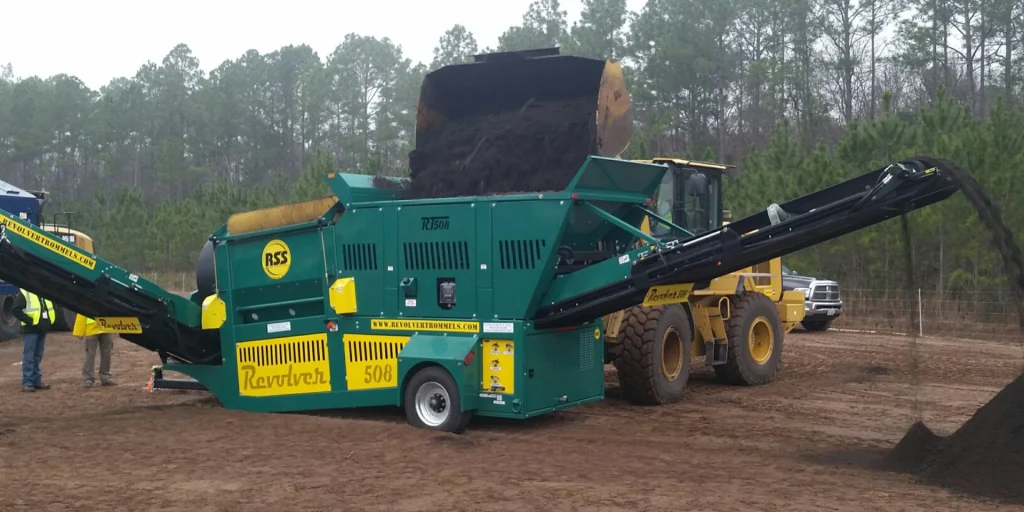
Sand Science carries trommels across sizes, from the compact Revolver RT508 portable unit to the Barford T620 and the Roto-Screen 454. Each one is built to keep fine material separating even when the feed is inconsistent.
How a Scalping Screen Works
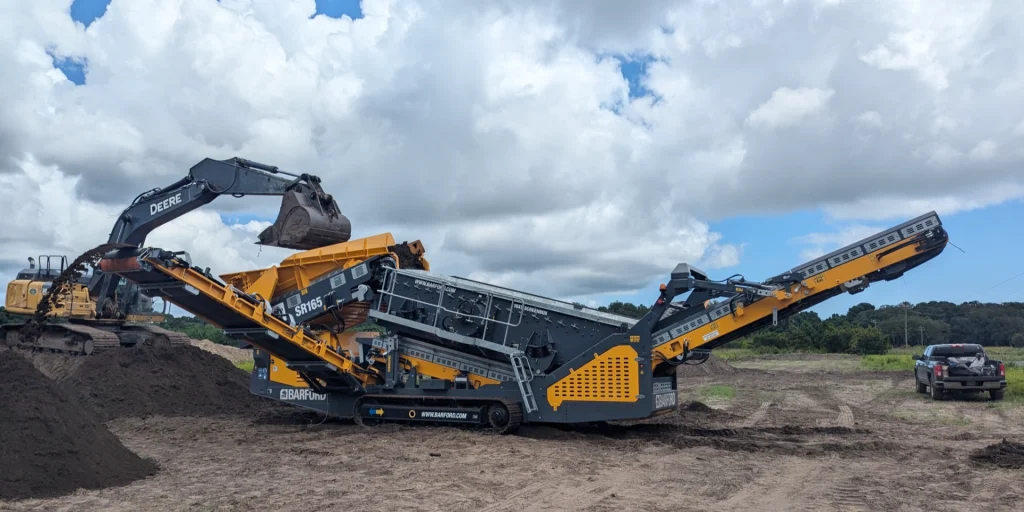
A scalping screen uses flat, angled decks that vibrate. Material moves down the deck and separates by size as it bounces, with the vibration shaking product through the openings fast. That aggressive action is built for heavy, abrasive, and mixed material. Sand, gravel, crushed rock, and construction and demolition debris move through a scalping screen at high volume, and a double-deck setup pulls multiple product sizes in one pass.
The Barford SR124 and SR165 are the scalping screens in the Sand Science lineup. The SR124 runs a large double-deck screen in a compact footprint and pulls up to three products from soil, sand, and rock in a single pass.
Trommel vs. Scalping Screen at a Glance
| Factor | Trommel Screen | Scalping Screen |
|---|---|---|
| Screening action | Rotating drum, gentle tumbling | Vibrating angled decks, aggressive shaking |
| Best-fit material | Light and organic: topsoil, compost, mulch, wood waste | Heavy and abrasive: sand, gravel, crushed rock, C&D debris |
| Wet or sticky material | Handles moist, fluffy material well | Can blind over with wet, sticky fines |
| Product fractions | Typically one main cut per pass | Two or three cuts with a double deck |
| Throughput | Steady, consistent separation | High volume on heavy feed |
| Pairs with a crusher | Better as a finishing screen | Ideal ahead of or after a crusher |
| Sand Science models | Roto-Screen 454, Barford T620, Revolver RT508 | Barford SR124, Barford SR165 |
When a Trommel Screen Is the Right Call
Reach for a trommel when your material is light and your priority is a clean, consistent cut. Compost yards, mulch producers, and topsoil operations lean on trommels because the tumbling drum keeps organic material moving without packing the screen. A trommel is also the easier choice when you need a portable unit you can move between sites. The Revolver RT508 is built for exactly that, screening high output from a compact, movable platform.
When a Scalping Screen Is the Right Call
Choose a scalping screen when your material is heavy, abrasive, or mixed, and volume matters. Aggregate producers, recyclers, and crushing operations run scalping screens because the vibrating decks push high tonnage and pull multiple products at once. If you are processing rock or C&D debris, or feeding a crusher, a scalping screen is the workhorse that keeps the line fed. The double-deck SR124 is a common pick when you want three products off one machine.
Running Both Together
Plenty of operations run a scalping screen and a trommel side by side, and they are not competing. A scalping screen handles the heavy front-end separation and feeds clean material to a crusher. A trommel finishes the job by pulling a clean, sized product on the back end. Pairing a Barford scalping screen with a Barford jaw crusher, then finishing with a trommel, turns raw feed into multiple sellable products without hauling anything off site.
Frequently Asked Questions
What is the main difference between a trommel and a scalping screen?
A trommel separates material in a rotating drum, while a scalping screen uses vibrating decks. Trommels suit light, organic material and scalping screens suit heavy, abrasive material.
Which screen is better for topsoil and compost?
A trommel. The gentle tumbling action screens light, organic material cleanly without packing or bridging the mesh.
Which screen handles rock and C&D debris?
A scalping screen. The aggressive vibrating decks move heavy, abrasive material at high volume and pull multiple product sizes.
Can one screen pull more than one product size?
Yes. A double-deck scalping screen like the Barford SR124 separates two or three products in a single pass. Most trommels pull one main cut per pass.
Do I need a screen if I already run a crusher?
Often yes. A scalping screen feeds clean, sized material to a crusher and keeps oversize moving, which protects throughput and reduces crusher wear.
Can I rent a screen instead of buying?
Yes. Sand Science offers both sales and rentals on its screening equipment, with financing available on purchases.
The right screen comes down to your material and your output goals. If you are weighing a trommel against a scalping screen for your operation, Sand Science can match the machine to your application, whether you buy or rent. Reach out for a quote and talk it through with an equipment expert.