SCREENING EQUIPMENT · SALES · RENTALS · SUPPORT · SOUTHEASTERN USA
SCREENING EQUIPMENT SALES & RENTALS
Screening equipment separates material by size so you can sell it, reuse it, or move it on. Sand Science matches trommels and scalping screens to your feedstock and volume.
Screening Equipment That Keeps Material Moving on Site
Screening is where most operations either make money or lose it. Undersized material heading to the landfill, oversize jamming a downstream crusher, or a spec pile that will not pass inspection all trace back to the screener. Sand Science sells and rents screening equipment across the Southeastern USA, and we size the machine to what you actually run, not to a catalog page.
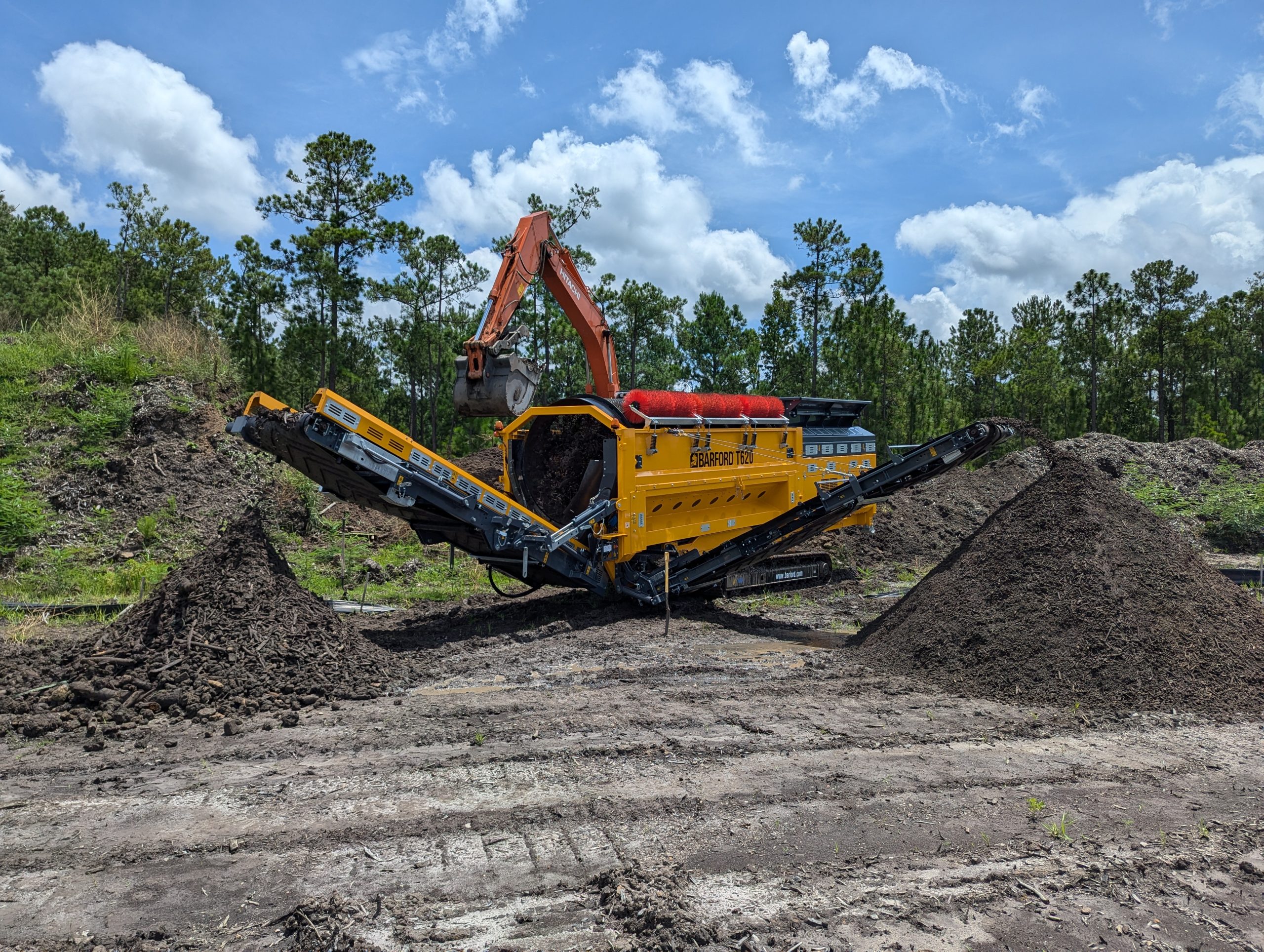
That means looking at your feedstock first. Topsoil, mulch, compost, sand, C&D debris, and crushed rock all behave differently through a screen, and the right answer changes with moisture, volume, and how often the machine moves. We carry portable trommels and track scalping screens from Roto-Screen, Revolver, and Barford, available to buy or rent, with parts and support behind both.
What Screening Equipment Actually Does for Your Operation
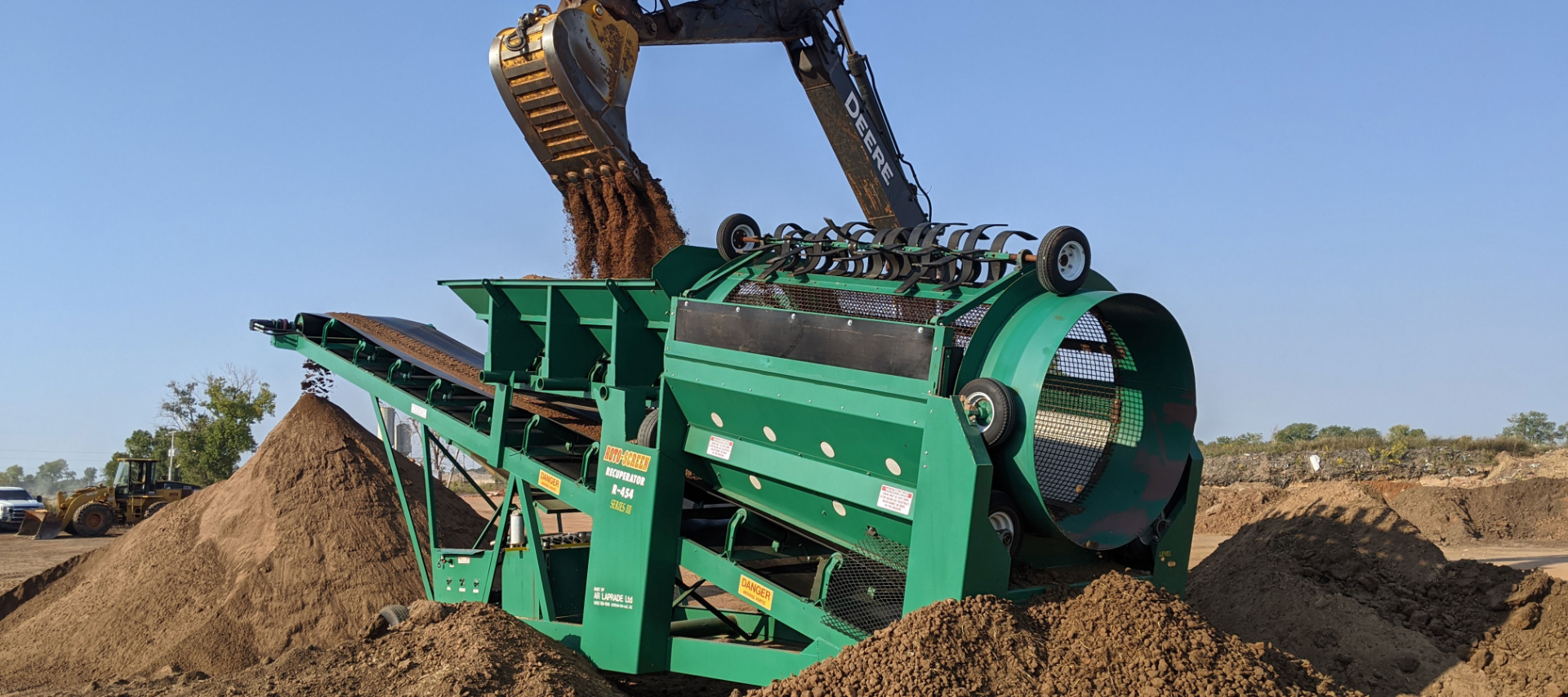
Roto-Screen 454
Straightforward, affordable trommel built for contractors. Handles topsoil, mulch, compost, and recycling without a big capital commitment.
MORE…
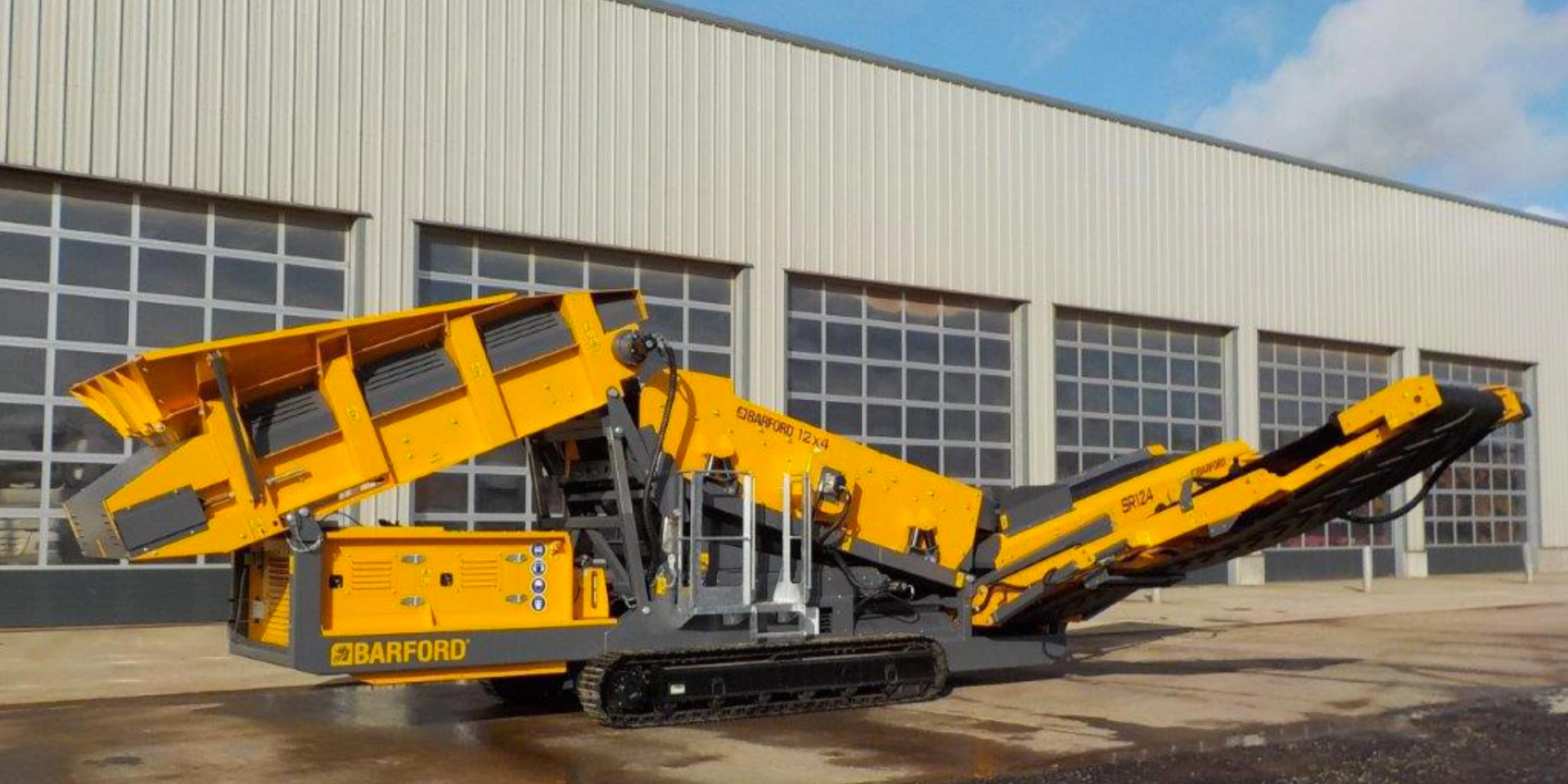
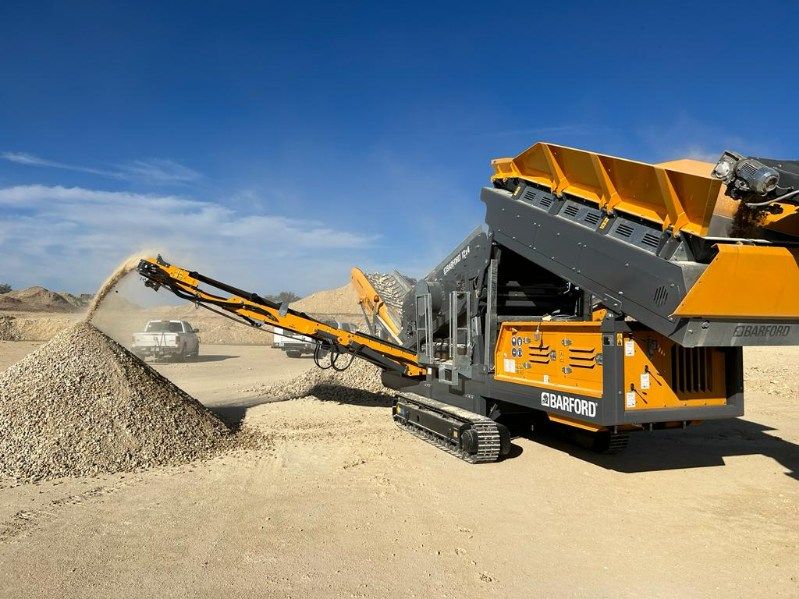
Barford SR124
Double-deck track scalping screen at 12′ x 4′ 2″. Built for sand, aggregate, and heavy scalping duty with fast setup between sites.
MORE…
How Drum Screens and Deck Screens Handle Material Differently
Where Screening Equipment Pays Off
The return shows up in three places on most jobs:
- Hauling and Disposal Costs: Screening on site means you truck out product instead of paying to dump mixed material.
- Throughput Protection: Sized feed keeps crushers, conveyors, and stackers running at rate instead of stopping for blockages.
- Salable Product: Clean fractions of topsoil, mulch, sand, or aggregate move at a price. Unsorted piles do not.
Types of Screening Equipment
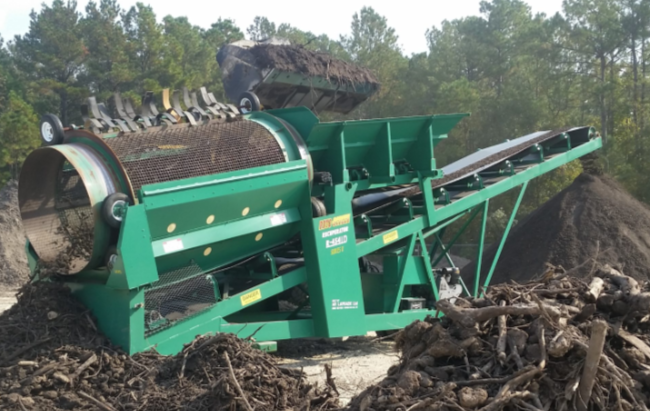
Trommel Screens
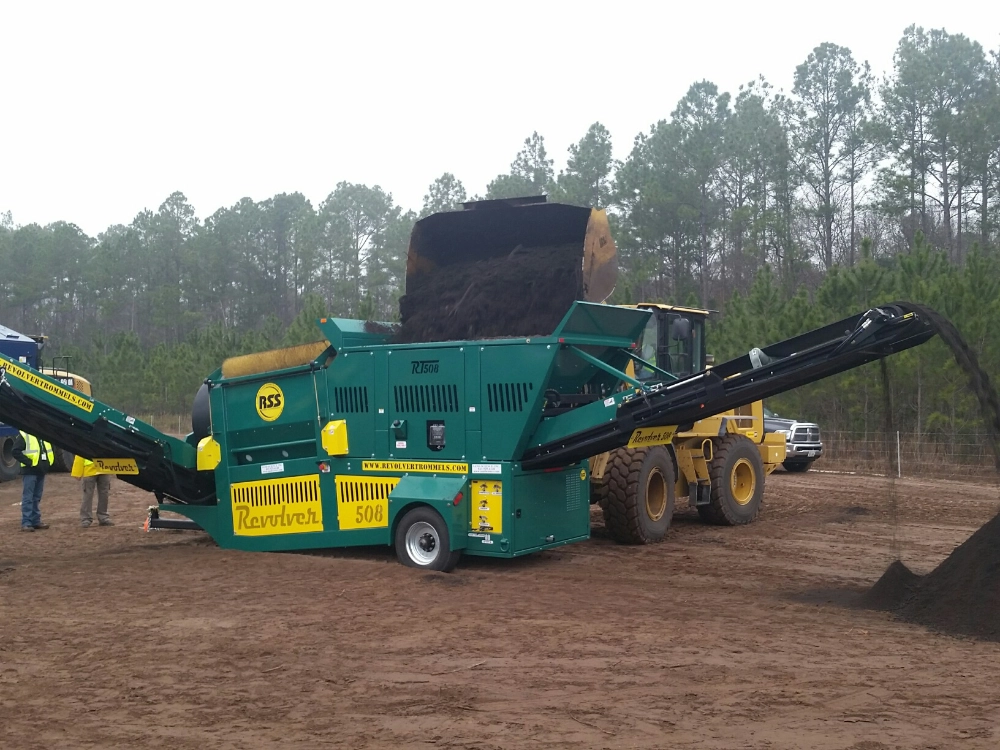
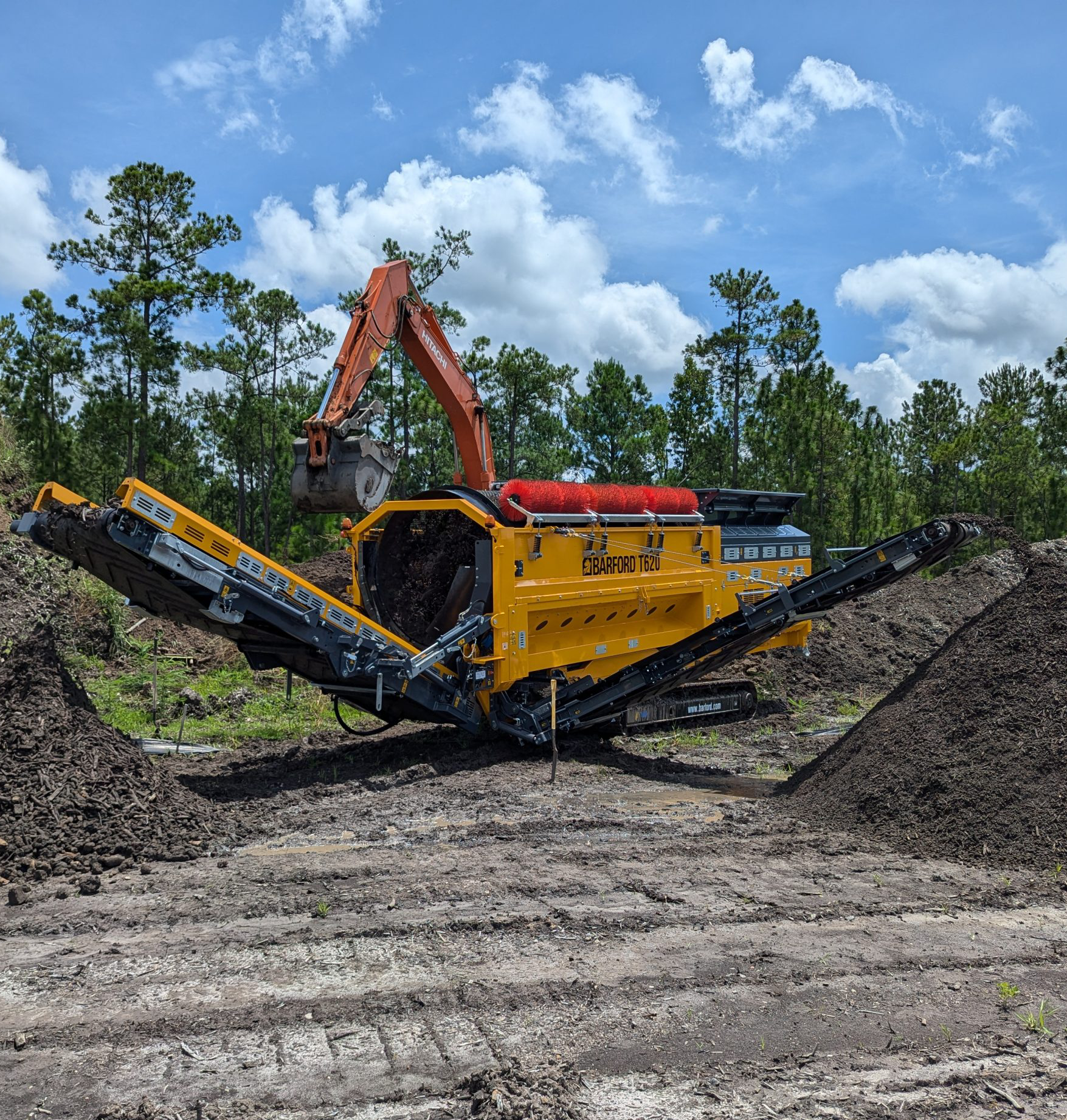
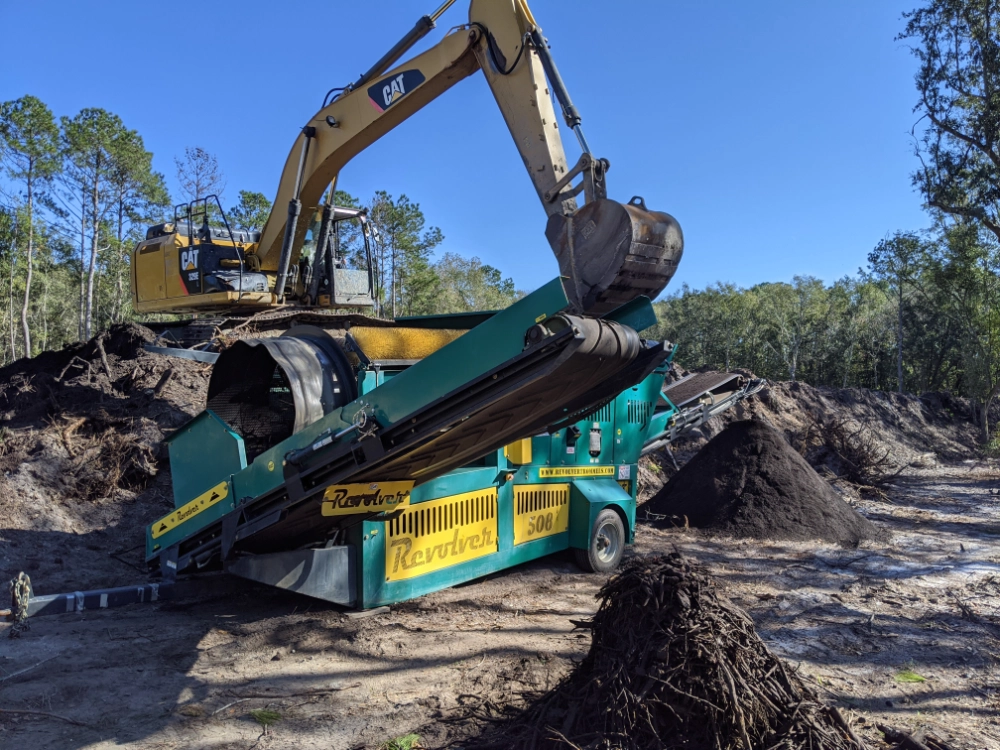
Rotating drum screeners suited to topsoil, mulch, compost, sand, and light recycling streams. Mesh panels swap out to change your cut point, and the tumbling action keeps sticky or fibrous material from blinding the screen. Portable models tow or track between sites with minimal setup. Sand Science carries the Roto-Screen 454, Barford T620, and Revolver RT508.
Track Scalping Screens
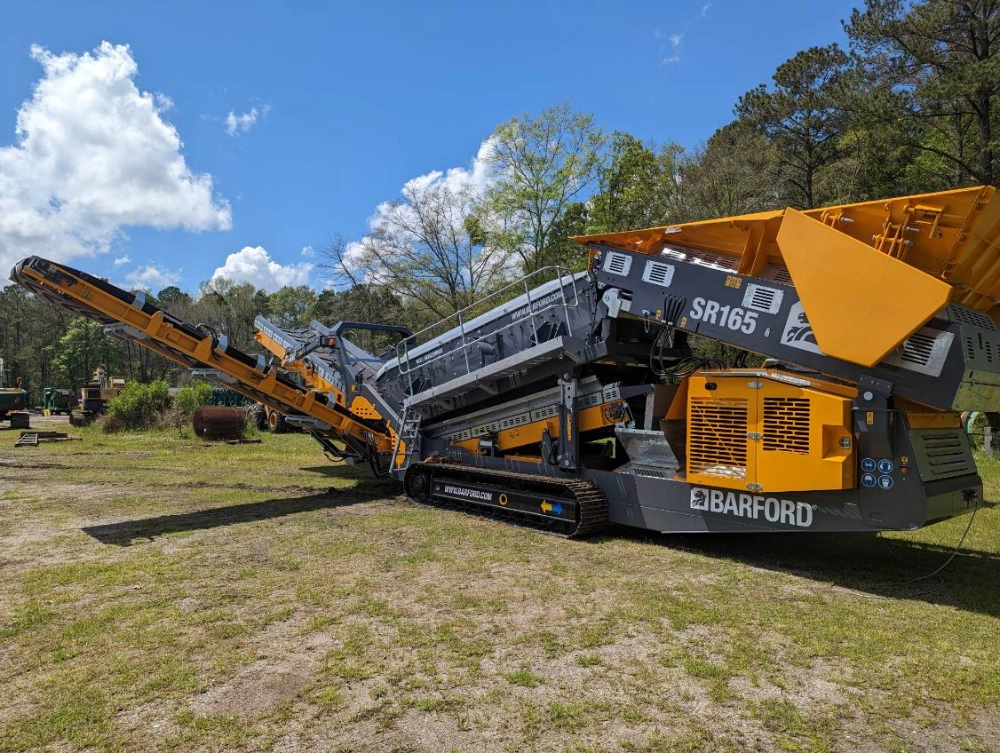
Vibrating double-deck screeners built for heavy, abrasive feed and high tonnage. They scalp oversize ahead of a crusher, split multiple products in one pass, and handle sand and aggregate duty all day. Tracks let the machine reposition around a pit or yard without a lowboy. Sand Science carries the Barford SR124 and SR165.
How to Match a Screener to Your Material and Volume
- Feed Material: Moisture, density, and how much oversize or trash is in the stream. Wet organics and dry aggregate call for different screens.
- Throughput Target: Tons or yards per hour you need to hit, and whether that is a steady daily rate or a seasonal push.
- Site and Mobility: Working room, feed method, and how often the machine has to relocate. Tow-behind, track, and stationary setups all trade off differently.
Answer those three and the shortlist usually comes down to two machines. Our sales team can walk your feed and narrow it from there.
Which Screen Type Fits Sticky or High-Moisture Material?
Trommels generally handle it better. The drum tumbles material continuously, which keeps openings from blinding when compost, wet topsoil, or fibrous mulch wants to pack. On a deck screen, high moisture can plug apertures and cut your effective screen area fast. If you run wet material seasonally, tell us what months look like and we will size around the worst case.
How Many Product Sizes Can One Machine Produce?
A single-drum trommel gives you an under and an over, so two fractions. A double-deck scalping screen like the SR124 or SR165 splits into three. If you need more cuts than that, the usual answer is running a screener with a picking station or staging two machines with conveyors between them rather than overbuying one unit.
Should I Scalp Ahead of a Crusher?
Almost always, if your feed has dirt or fines in it. Scalping pulls the material that was never going to need crushing, which reduces wear on jaw plates, protects your crusher’s rate, and keeps you from burning fuel on tonnage that could have gone straight to a product pile. On C&D and recycled concrete, that is the difference between a crusher running clean and one that stops all shift.
Rental or Purchase: Which Makes Sense for Your Screening Work?
Both paths are open at Sand Science, and the right one comes down to how steadily you will run the machine. Rentals cover seasonal peaks, one-off cleanup contracts, and trial runs where you want proof before you commit capital. Purchase makes sense once screening is a regular line item and the machine is earning most weeks. Financing is available on purchases, and rental terms are flexible.
Comparing Rental and Purchase Options for Screening Equipment
- Utilization Rate: Count the weeks the machine would actually run. Under roughly a third of the year, rental usually wins on cost.
- Cash Position: Rentals stay an operating expense with no down payment. Purchase ties up capital but builds an asset you control.
- Schedule Certainty: Locked-in contracts favor owning. Bid-dependent or seasonal work favors renting until the volume is proven.
What to Confirm Before You Buy a Screener
- Match to Feed: Confirm the screen type and mesh range suit your material at its wettest and dirtiest, not just its cleanest.
- Total Cost of Ownership: Include transport, fuel, screen media replacement, and wear parts alongside the purchase price.
- Parts and Support: Verify parts availability and who you call when it stops. Downtime costs more than the part does.
We keep equipment in stock and ready to work, and our team has been placing screening machines in the Southeast for decades. Tell us what you are running and we will tell you straight whether renting or buying serves you better.
Talk Through Your Screening Job With Our Team
Screening Equipment: Frequently Asked Questions
How do I know what size screening machine I need?
Start with the tonnage or yardage you need to move in a working day, then add margin for your dirtiest feed. A machine sized to your average day will fall behind on the bad days, and screening is usually the bottleneck when it does. Give our sales team your material type and daily target and we will size to the realistic condition, not the ideal one.
Can screening equipment handle wet or sticky material?
Yes, with the right machine. Trommel screens manage high-moisture topsoil, compost, and mulch better than deck screens because the drum keeps tumbling material away from the openings. Deck screens can run damp material, but blinding becomes a real problem as moisture climbs. If wet feed is normal for you, say so up front and we will steer you to the drum side of the lineup.
How do I choose the right screen mesh or aperture size?
Work backward from the product you are selling. The spec of the finished pile sets your cut point, and the amount of oversize in your feed tells you whether one cut is enough or you need a second deck. Mesh panels are changeable on trommels, so you are not locked to one product size after purchase.
Do you deliver and set up screening equipment?
We handle transport arrangements for both purchases and rentals across the Southeastern USA, and we make sure your crew knows how to run the machine before we leave. Call the office at 843.525.6140 to work out delivery for your location and timeline.
Can I rent a screener before deciding to buy one?
Is financing available on screening equipment purchases?
How hard is it to move a screener between job sites?
Questions on these machines?
Would you like more information on the equipment we offer? Let us know how we can help, and one of our expert sales team will be in contact shortly to answer any questions you may have.