Used equipment options
Used Equipment Sales & Inspections
Dependable Trommels, Crushers, and Screening Machines for Industrial Performance
Why Purchase Used Processing Equipment
At Sand Science Inc., we know used equipment, especially trommels, crushers, and screening machines, can be a strategic way to boost productivity while managing costs. This page explains how these machines work, what to look for when buying pre-owned units, and how inspection practices protect your investment. We focus on practical details that help operations teams make clear, confident buying decisions without sacrificing uptime or safety.
Trommels, Crushers, and Screening Machines
Each machine plays a core role in your process. Trommel screens offer high throughput and interchangeable screen media, making them ideal for material recovery and waste sorting. Crushers come as mobile and stationary units with various crushing methods, used commonly for aggregate production and recycling. Screening machines provide size separation through vibratory or mechanical action and are essential in mineral processing and construction screening. Here is a closer look at each so you can compare options by function and fit.
Trommels
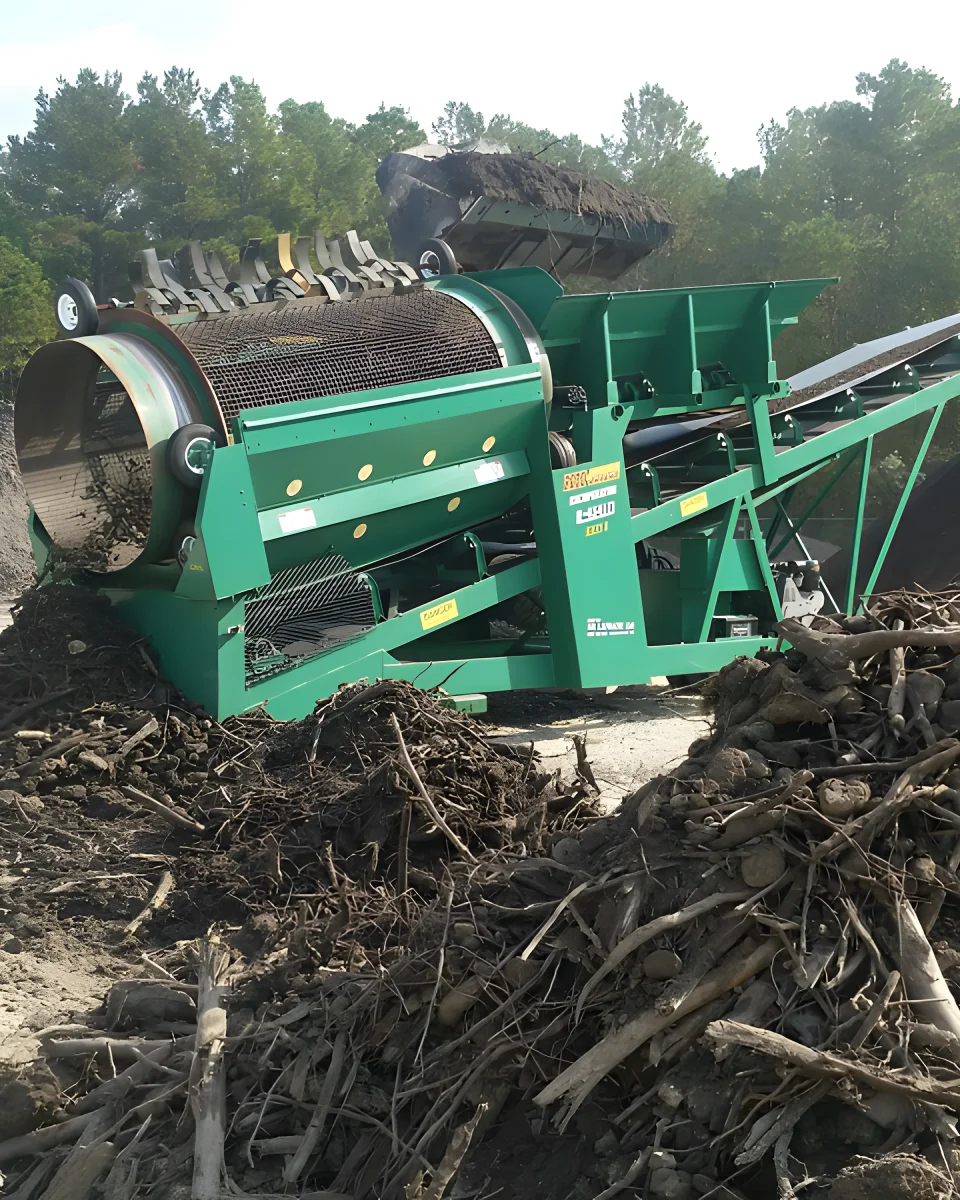
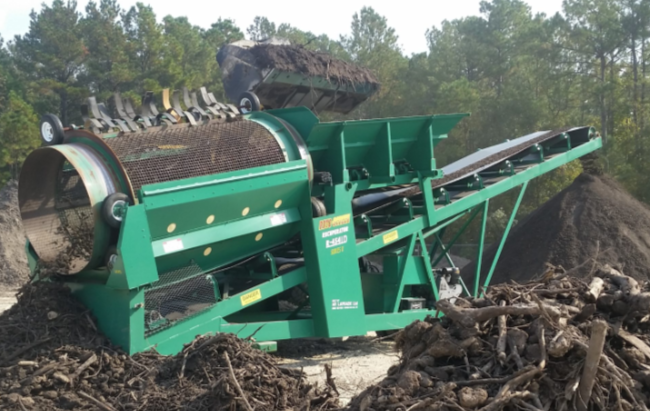
Trommels are rotating cylindrical screens used to separate material by size. They sort inputs through continuous rotation, sieving material into predefined fractions and keeping production flowing. Trommels are valued for their throughput and robustness, making them a common choice in recycling, waste handling, and aggregate processing. When evaluating a trommel, consider drum diameter, screen configuration, drive system condition, and ease of access for maintenance.
Revolver RT508: A compact portable trommel that tows with a three-quarter ton pickup, making it easy to move and operate while still handling topsoil, mulch, and more.
Barford T620: A durable trommel screen built for steady productivity on demanding jobs.
Roto-Screen 454: An affordable, dependable contractor machine well suited to topsoil, mulch, compost, and recycling. Simple to operate and easy to maintain.
Crushers
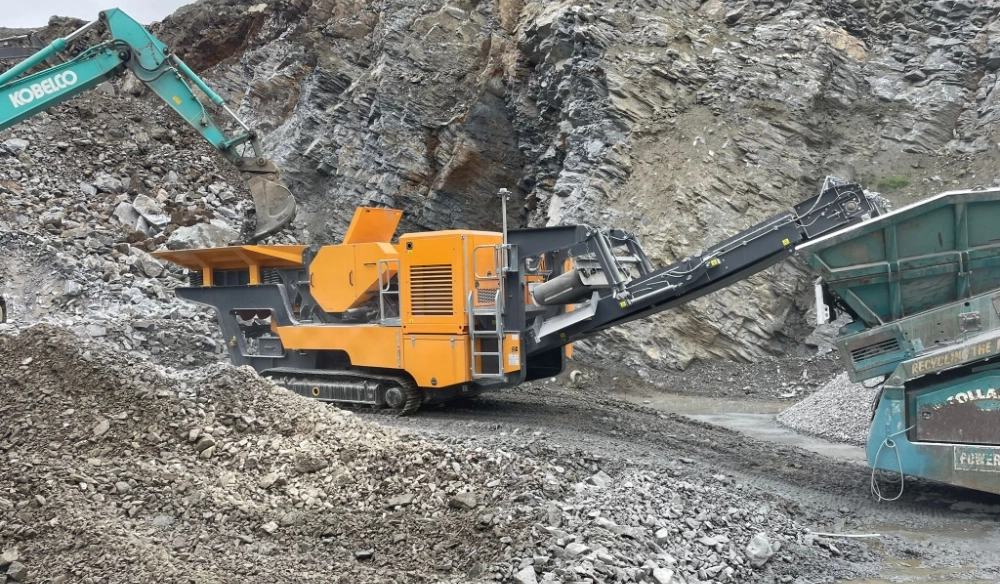
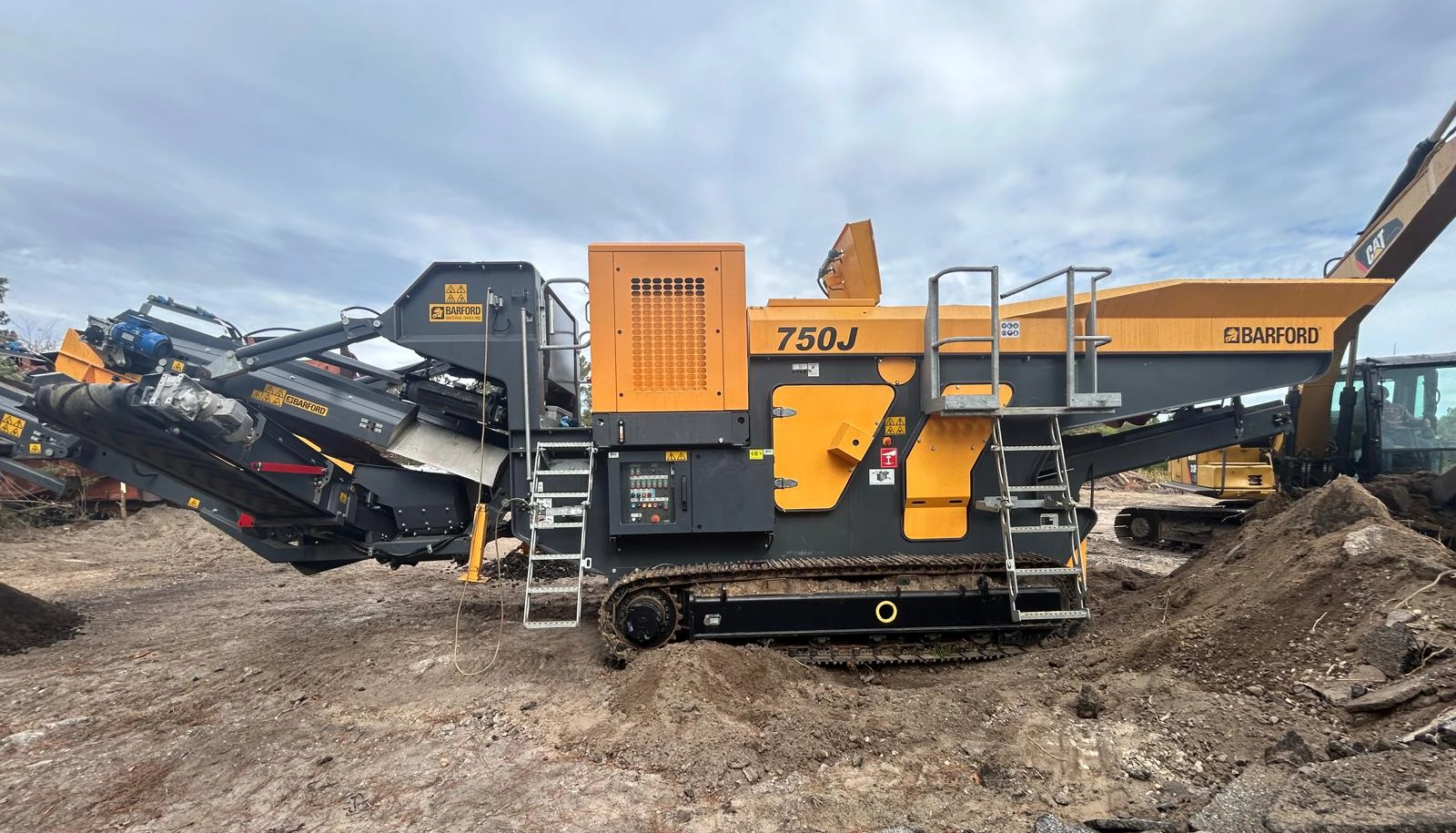
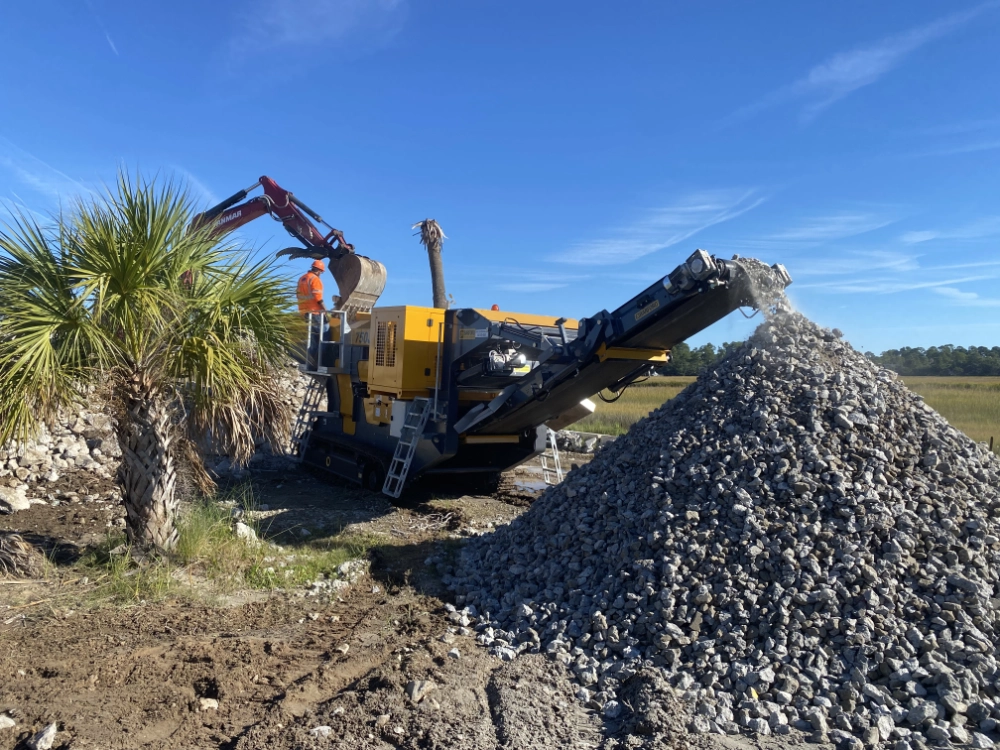
Crushers break down large material into smaller, manageable pieces using compressive, impact, or hydraulic force depending on the design. Different crusher types suit different feed materials and end-product requirements, ranging from primary reduction to fine crushing. Key selection points include crushing chamber condition, wear-part history, power requirements, and any improvements that reduce downtime or energy use.
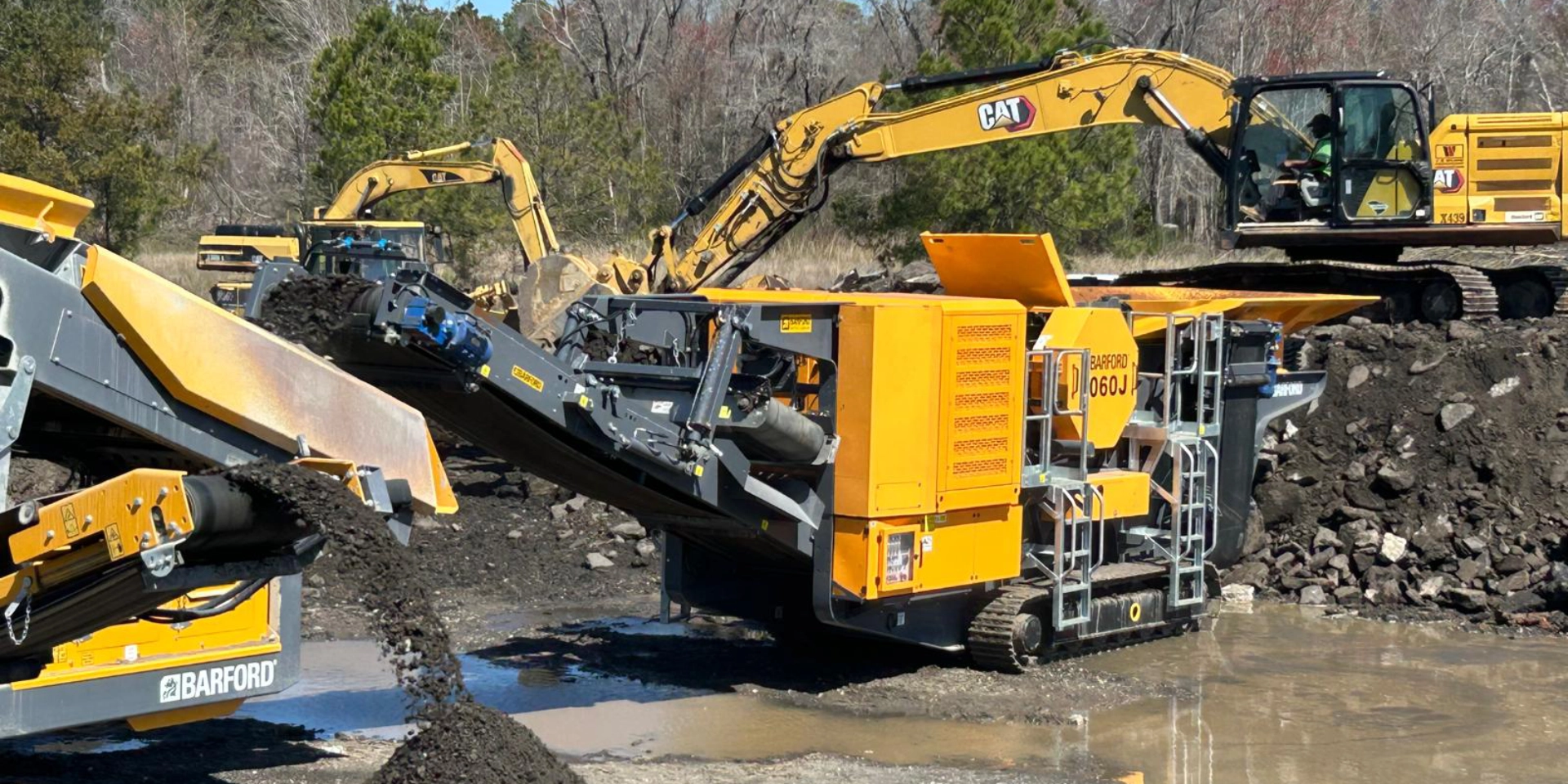
Barford 1060J: A larger track jaw crusher offering greater capacity for heavier crushing applications.
Barford 750J: A highly portable track jaw crusher with a CAT diesel and electric drive option. It loads on a legal lowboy for easy transport and is built for high productivity and straightforward servicing.
Screening Machines
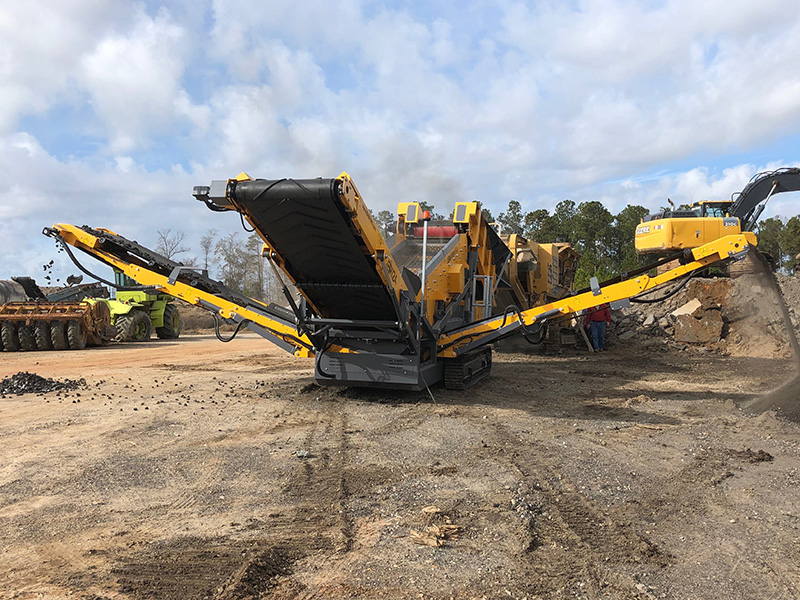
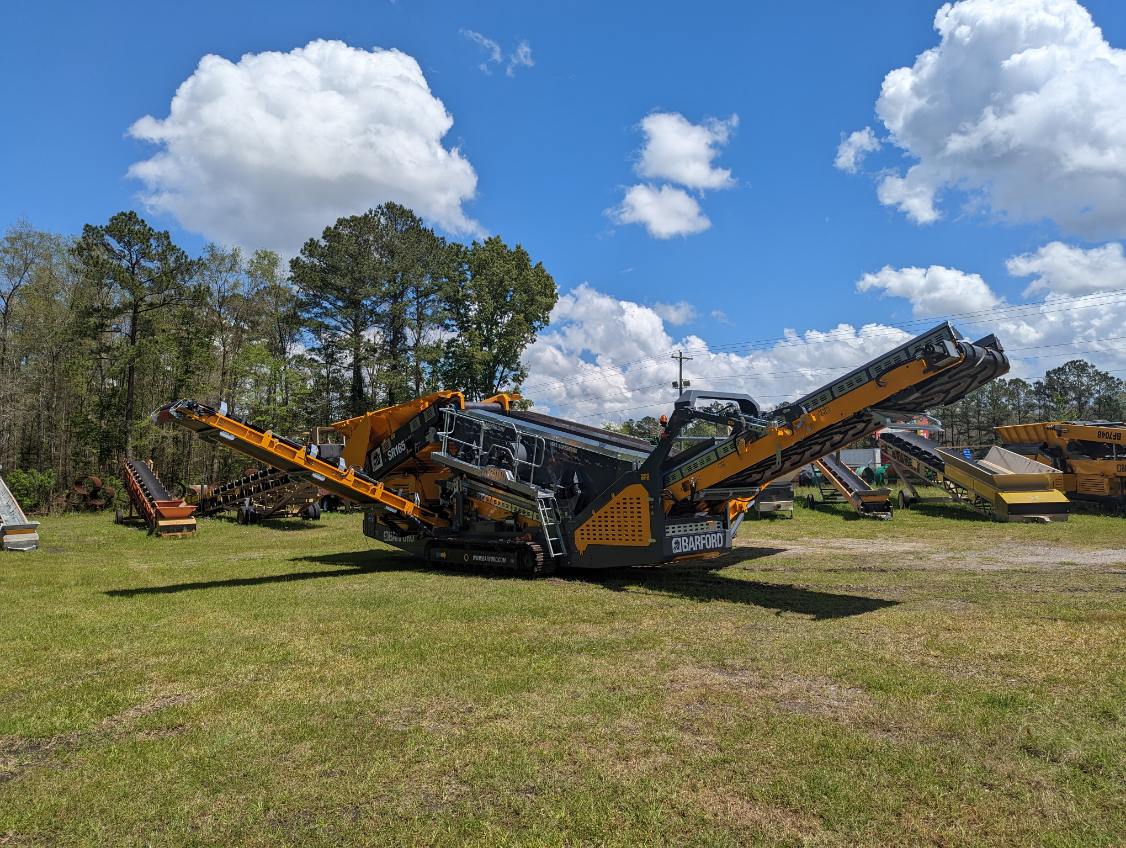
Screening machines separate material using mesh, vibration, or other mechanical actions to produce consistent size fractions. They are essential for quality control across industries like construction and mining. Important performance indicators include screen media type, stroke and amplitude settings, decking configuration, and capacity for the material you process.
Barford SR124: A reliable track scalping screen built for consistent separation.
Barford SR165 : A higher-capacity track scalping screen for operations that need more throughput.
Key Factors For Sales and Inspection
Buying used trommels, crushers, or screening equipment requires careful evaluation. Focus on a few core areas to ensure long-term value and reliability:
- Material Compatibility: Confirm the machine is built for the materials you handle. Different aggregates, organics, and construction debris require specific settings and wear materials.
- Maintenance History: Thorough service records show how the machine was cared for and where wear parts were replaced, which is a key indicator of remaining service life.
- Rental vs. Purchase Considerations: Assess project timelines and cash flow. Renting can meet short-term needs, while buying is often better for ongoing, predictable workloads.
Used Equipment Available for Sale or Rent
Inventory changes frequently, but common pre-owned offerings include robust trommel screens in multiple diameters and capacities, plus mobile and stationary crushers across popular manufacturers. Models vary by throughput, drive systems, and wear package. We can help match equipment to your site and material needs.
- Trommel Screens: Multiple sizes and screen types to match throughput and particle-size targets.
- Crushers: Mobile and plant-mounted options, configured for primary, secondary, or tertiary crushing.
Buying, Inspecting, and Maintaining Used Equipment
From first evaluation through long-term upkeep, here is what to expect when you buy and run pre-owned processing equipment.
Key Benefits of Buying Used Equipment
Purchasing pre-owned machinery delivers practical advantages:
- Cost Savings: Lower upfront cost compared with new units, freeing capital for other project needs.
- Proven Reliability: Well-maintained machines can perform like new at a fraction of the price, provided their history checks out.
- Environmental Benefit: Reusing equipment reduces waste and the environmental footprint of your operation.
How Pre-Owned Equipment Enhances Cost Efficiency
- Lower Initial Investment: A reduced capital outlay lets you deploy funds where they will have the most impact.
- Reduced Depreciation: Used assets have already taken the steepest depreciation hit, so their book value is steadier over time.
- Flexibility through Rental Options: Renting gives access to specialized machines without a long-term commitment, allowing you to match equipment to project cycles.
How Rental Options Support Flexible Material Handling
Rentals let you scale capacity and test equipment before committing to a purchase. Key rental benefits include:
- Variety of Equipment: Access machines you do not own for peak demand or special projects.
- Short-Term Rentals: Meet seasonal or one-off needs without tying up capital.
- Immediate Availability: Quick deployment when timelines are tight keeps projects on schedule.
How Equipment Inspection Is Conducted
Inspection is a structured process that verifies condition, functionality, and safety. Typical steps include:
- Visual Inspection: Check structural integrity, wear areas, and signs of corrosion or fatigue.
- Operational Testing: Run the machine under load to confirm bearings, drives, and control systems function as intended.
- Documentation Review: Verify maintenance logs, parts changes, and any compliance records.
Inspection Criteria for Reliability and Safety
- Condition of Equipment: Examine wear parts, welds, frame alignment, and guarding to identify repair needs.
- Operational History: Past performance and repair records reveal recurring issues and remaining service life.
How Inspection Reports Influence Purchase Decisions
Inspection reports provide a factual basis for pricing and risk assessment by offering:
- Condition Reports: A clear summary of the machine’s state and any immediate service requirements.
- Impact on Pricing Negotiations: Objective findings help buyers and sellers reach fair terms that reflect required repairs or upgrades.
Best Practices for Maintenance and Optimal Use
- Regular Inspections: Scheduled checks catch wear early and prevent costly failures.
- Operator Training: Trained operators reduce misuse and maximize throughput.
- Adhering to Manufacturer Guidelines: Follow recommended service intervals and parts specifications to preserve performance.
What You Gain With Pre-Owned Machines
Pre-owned machinery gives your operation real advantages in cost, reliability, and flexibility.
Cost Savings
Lower upfront cost compared with new units, freeing capital for other project needs.
Rental Flexibility
Renting gives access to specialized machines without a long-term commitment, so you can match equipment to project cycles.
Proven Reliability
Well-maintained machines can perform like new at a fraction of the price, provided their history checks out.
Environmental Benefit
Reusing equipment reduces waste and the environmental footprint of your operation.
Why Choose Sand Science Inc. For Used Equipment?
Buying and inspecting used equipment is a strategic way to balance cost and performance. Sand Science pairs proven machines with hands-on evaluation so you know exactly what you are getting.
• Verified condition: Structured inspections check structure, wear parts, drives, and controls before you commit.
• Documented history: We review maintenance logs and parts records so remaining service life is clear.
• Matched to your material: We help confirm the machine fits the aggregates, organics, or debris you actually handle.
• Rent or buy: Flexible options let you cover short-term needs or invest in equipment for predictable, ongoing work.
Used Equipment Sales & Inspections: Frequently Asked Questions
What Factors Should Be Considered When Inspecting Used Equipment?
When evaluating used trommels, crushers, and screens, focus on:
- Physical Condition: Look for wear, corrosion, damaged welds, and missing safety guards.
- Operational History: Maintenance logs and repair records shed light on recurring issues and part replacements.
- Age of Equipment: Older machines can be reliable but may need more frequent parts replacement.
These checks help ensure the equipment will meet your operational needs.
How Can I Determine the Right Size of Equipment for My Needs?
Choose equipment size by assessing:
- Material Volume: Estimate average and peak throughput to match capacity.
- Material Type: Hardness, abrasiveness, and moisture content affect machine selection.
- Space Constraints: Confirm onsite footprint and access for maintenance.
Answering these questions helps align machine capability with your site conditions.
What Should I Look for in a Rental Agreement for Used Equipment?
Key elements to review in a rental contract include:
- Rental Terms: Clear duration, rates, and penalties for late return or damage.
- Maintenance Responsibilities: Who handles routine upkeep and emergency repairs during the rental period.
- Usage Limits: Any restrictions on operational hours, load, or environments that could void coverage.
Clarifying these points prevents surprises and keeps projects on track.
How Does Equipment Maintenance Affect Long-Term Costs?
Regular maintenance lowers long-term costs by:
- Preventing Breakdowns: Timely service avoids expensive emergency repairs and downtime.
- Extending Equipment Life: Proper care delays major overhauls and replacements.
- Boosting Efficiency: Well-maintained machines use less energy and produce more consistent output.
Planned maintenance is an investment that reduces lifecycle cost.
What Are Common Upgrades or Modifications for Used Equipment?
Common improvements that extend the usefulness of used machines include:
- Adding Technology: Remote monitoring, PLC upgrades, or telematics for better diagnostics.
- Enhancing Capacity: Larger screens, modified feeds, or upgraded motors to increase throughput.
- Customization for Specific Materials: Tailored wear packages or screen media to handle abrasive or sticky feeds.
Targeted upgrades can make a used unit fit your operation almost as well as new equipment.
What Compliance and Safety Standards Should Used Equipment Meet?
Ensure used machinery complies with applicable safety and operational standards by checking:
- Local Regulations: Know the codes and rules that apply in your jurisdiction.
- Manufacturer Guidelines: Follow original specifications for safe operation and parts replacement.
- Certification Requirements: Ask for any relevant certifications or inspection certificates that verify safety compliance.
Adhering to these standards protects people, equipment, and production continuity.
Questions on these machines?
Would you like more information on the equipment we offer? Let us know how we can help, and one of our expert sales team will be in contact shortly to answer any questions you may have.