Bulk Material Handling Solutions for Facilities: Equipment, Operations, and Best Practices
Bulk material handling underpins operations across construction, recycling, and aggregate processing. It covers the movement, storage, and control of large-volume materials — areas that directly affect throughput, safety, and operating cost. This guide walks through the common equipment types, practical operational approaches to boost performance, and maintenance best practices to keep systems running reliably. You’ll come away with clear criteria for choosing equipment and an overview of rental and purchase options in today’s market.
For a deeper dive into the core principles and technologies behind bulk solids handling, consult the comprehensive guide linked below.
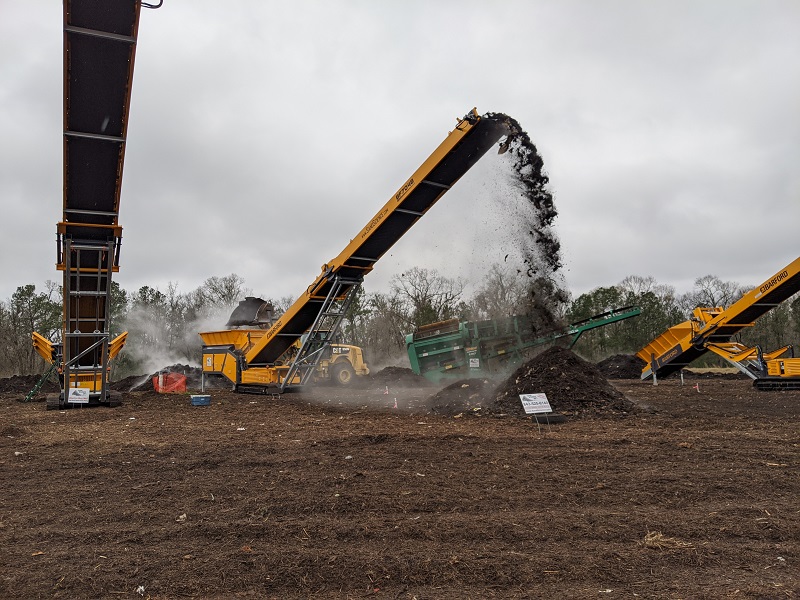
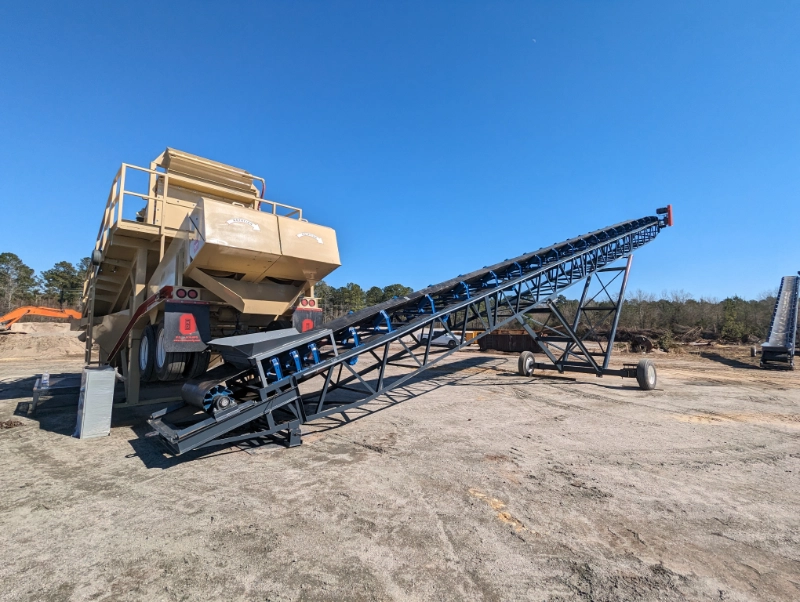
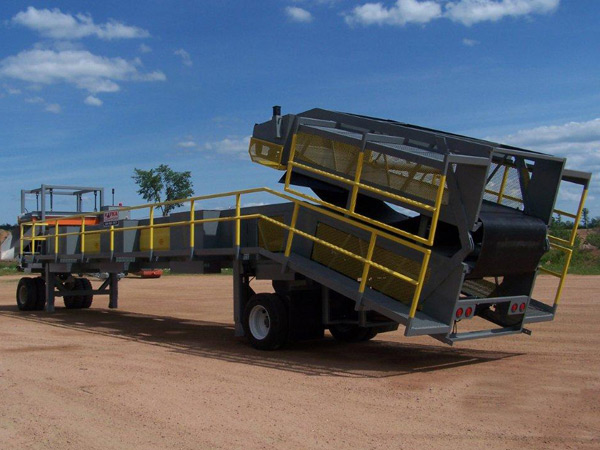
Types of Bulk Material Handling Equipment
- Conveyor Systems: Continuous transport solutions that move material across a site, cut down manual handling, and increase throughput. These include roller conveyors and belt conveyors, each suited to different material types and operational needs.
- Crushers: Machines that reduce oversized material to targeted sizes — essential for recycling and aggregate production.
- Trommel Screens: Rotating screening units that separate material by size, improving sorting efficiency for recycling and grading operations.
- Excavators and Loaders: Versatile earthmoving machines used to load, reposition, and transfer bulk materials on-site.
An Overview of Operational Strategies
- Flexible Equipment Rental: Short or mid-term rentals let you scale capacity for peak projects without the long-term capital expense of ownership.
- Regular Maintenance: Scheduled inspections and service keep machines operating efficiently and prevent disruptive failures.
- Safety Protocols: Clear procedures, routine audits, and PPE use reduce incidents and protect personnel.
Sand Science Inc. Equipment Solutions
Sand Science Inc. supplies equipment selected for recycling and aggregate use. We offer flexible rental terms for crushers, trommel screens and conveyors, with contracts ranging from daily hires to multi‑month arrangements. Rentals can include operator training, responsive service support and scheduled site visits to maximise uptime throughout the rental period.
Browse our key models or use our product listings to find help that matches your specific needs.
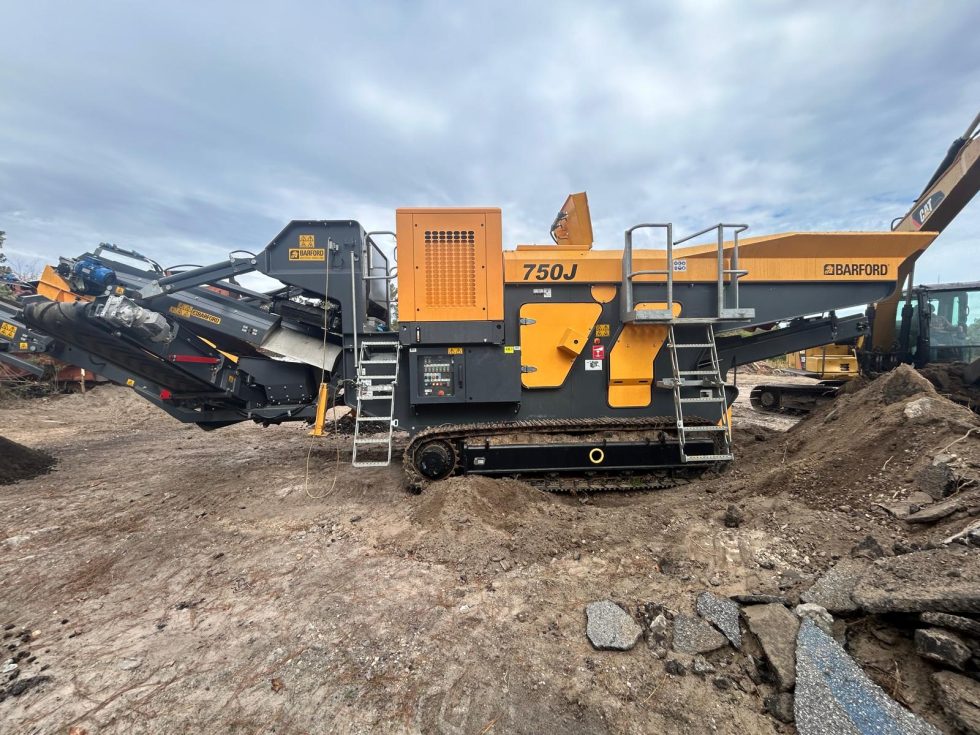
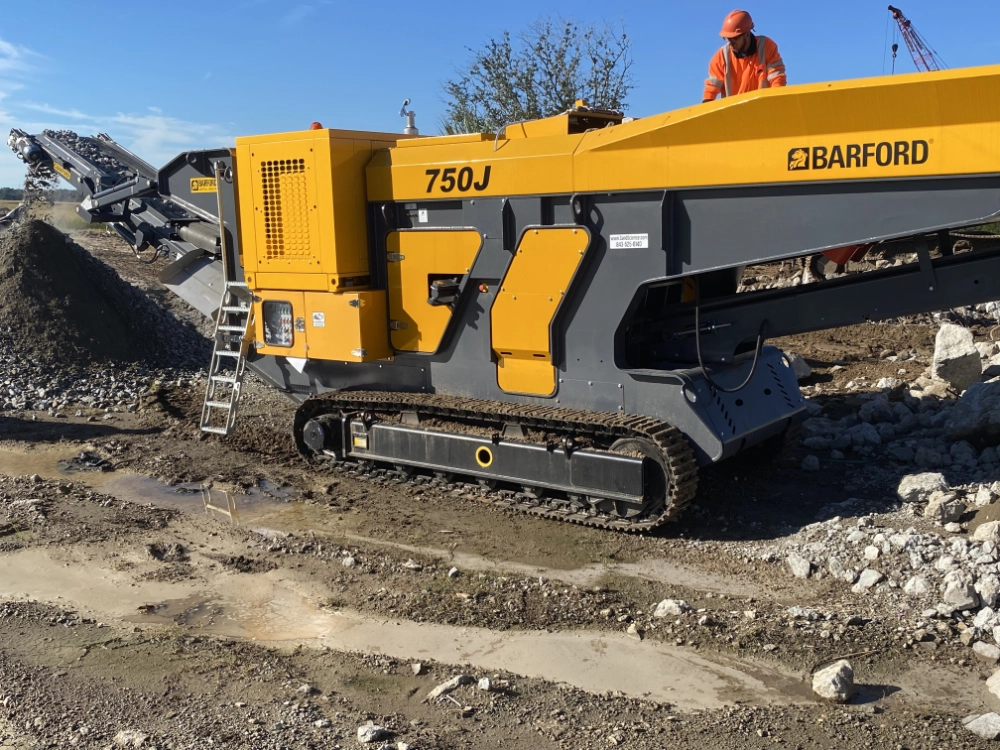
Barford 750J Track Jaw Crusher
- Features: Compact, track-mounted jaw crusher with a 28″ x 20″ opening and a dual-power CAT diesel-electric system.
- Benefits: Achieve high-capacity production (up to 150 TPH) anywhere on-site while significantly reducing fuel costs and power dependency.
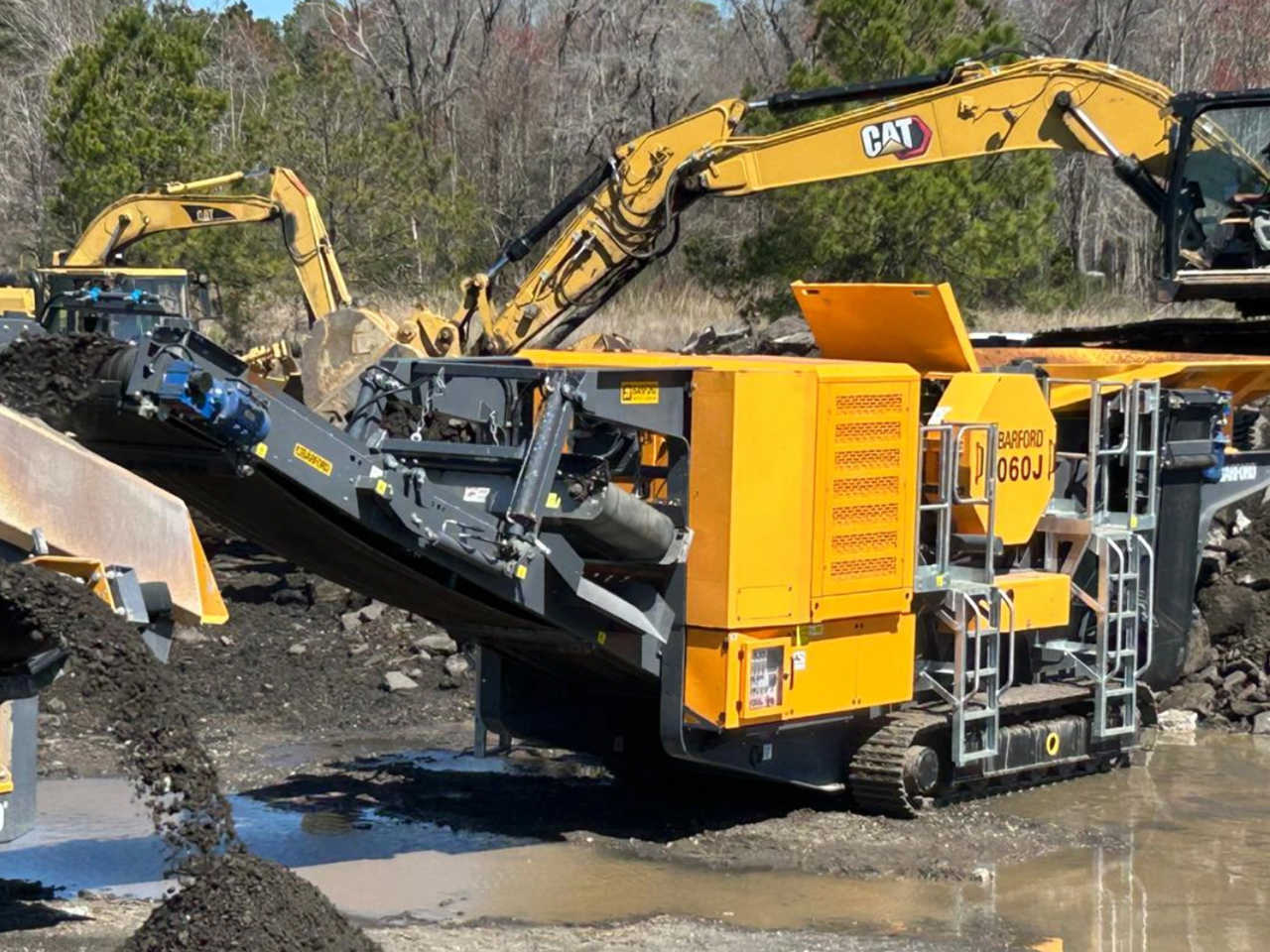
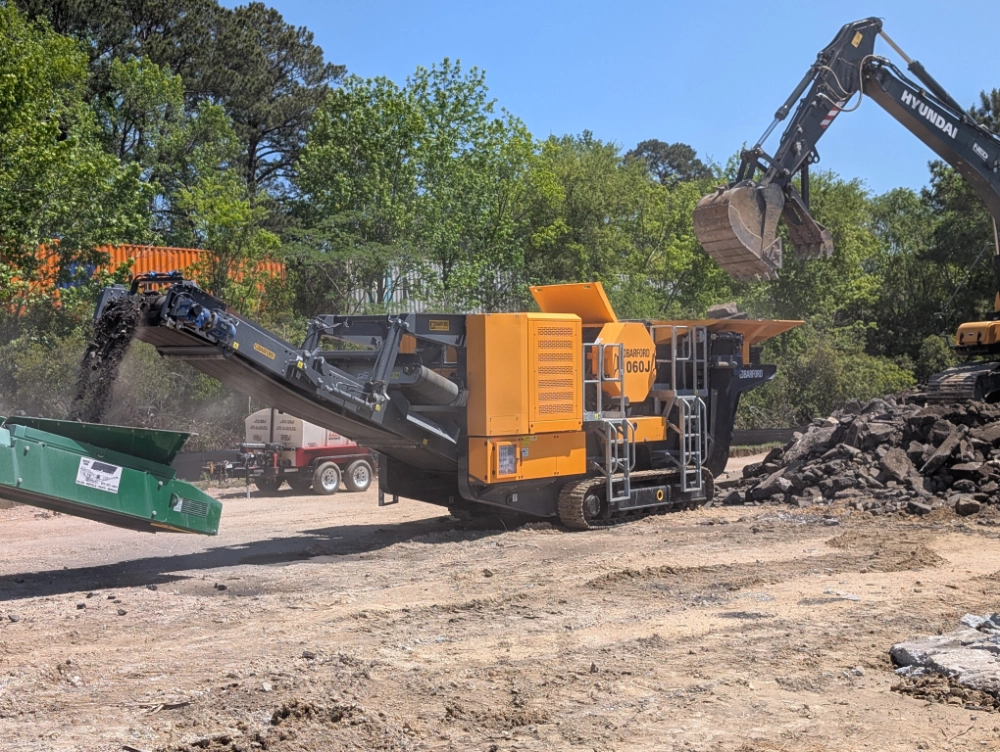
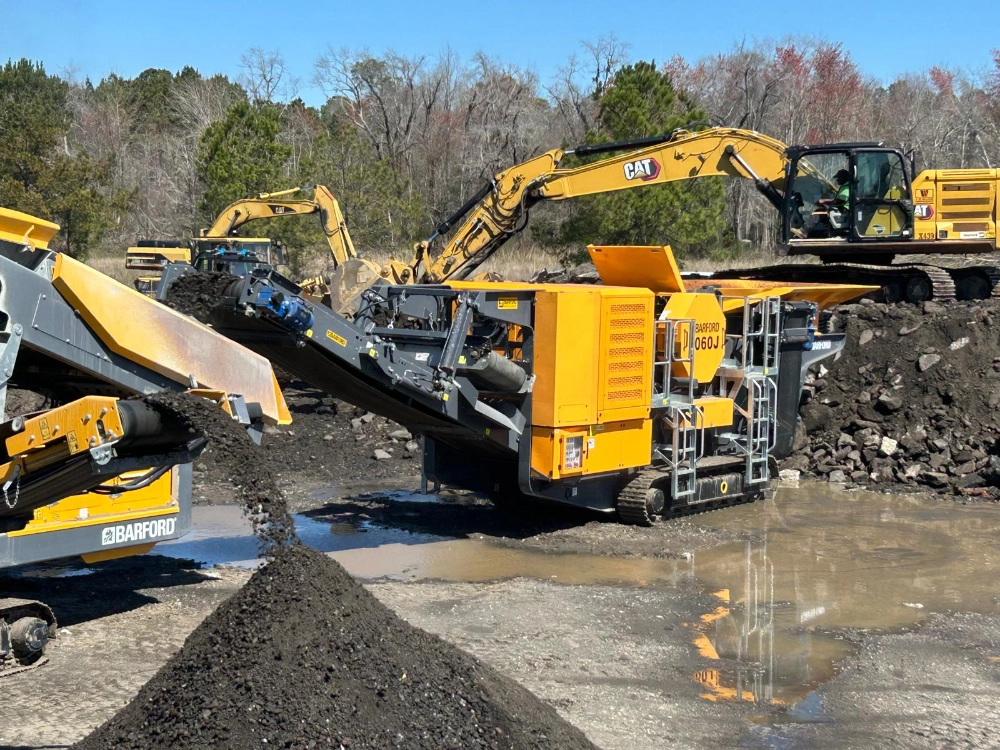
Barford 1060J Track Jaw Crusher
- Features: Heavy-duty 40″ x 24″ jaw opening with a dual-power configuration capable of processing up to 250 tons per hour.
- Benefits: Maximizes your daily yield for larger-scale operations while keeping overhead low through efficient, steady-state power management.
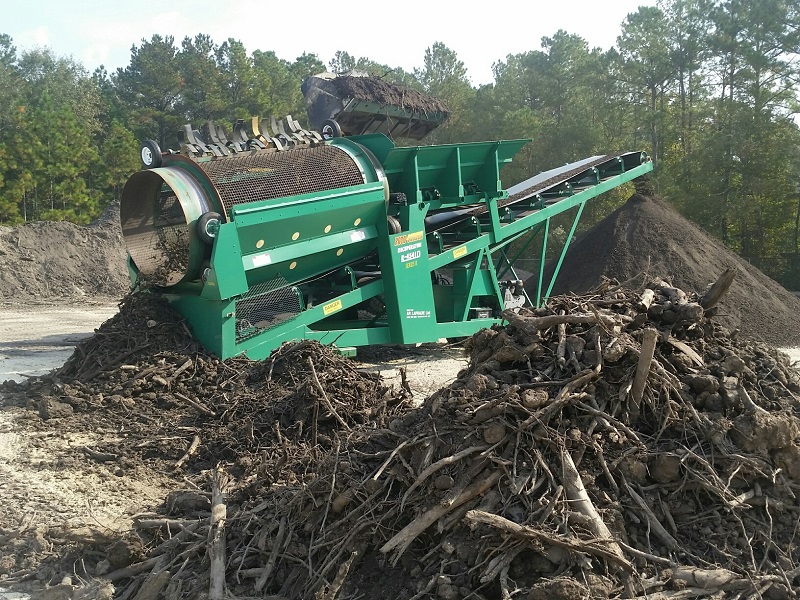
Roto-Screen 454 Trommel Screen
- Features: Compact rotating drum screen with adjustable apertures for precise material sizing.
- Benefits: Improves sorting efficiency and delivers consistent, reliable throughput in abrasive, high-volume recycling and aggregate conditions.
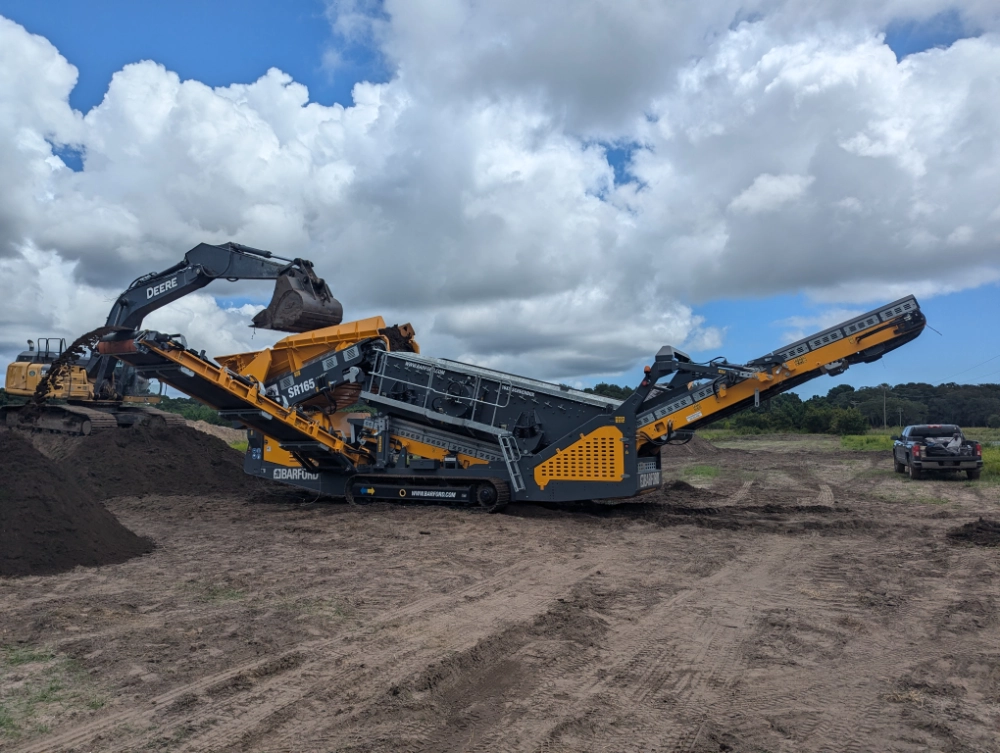
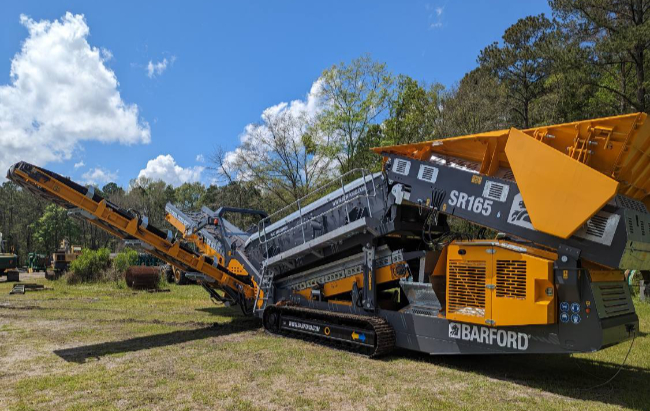
Barford SR165 Track Screen
- Features: Track-mounted scalping screen with high-capacity throughput for primary separation of oversized material.
- Benefits: Efficiently removes oversize material early in the process, reducing wear on equipment.
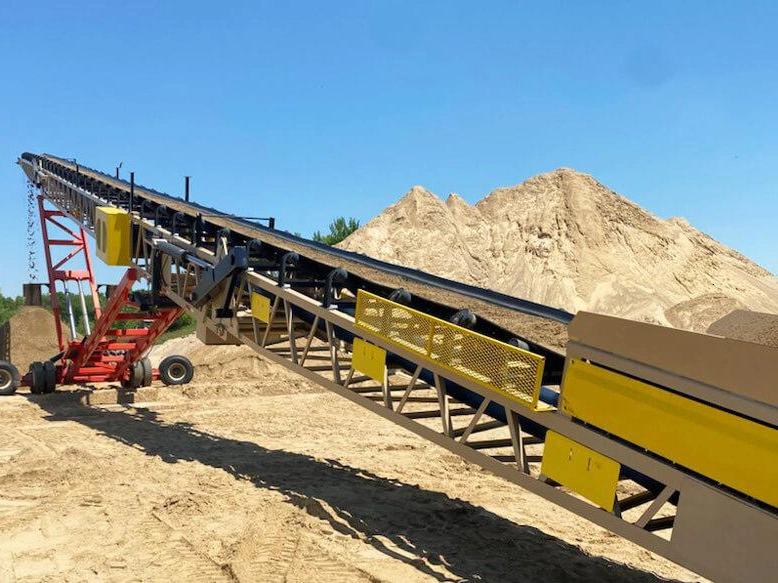
Kafka Wheeled Conveyors
- Features: Mobile conveyor configuration for flexible on-site positioning and variable material types.
- Benefits: Speeds up material transfer between stages and reduces manual handling.
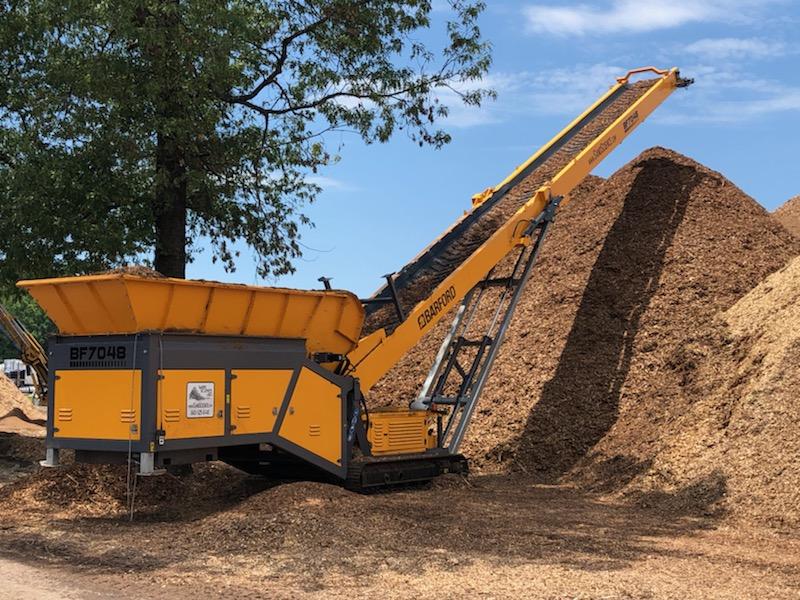
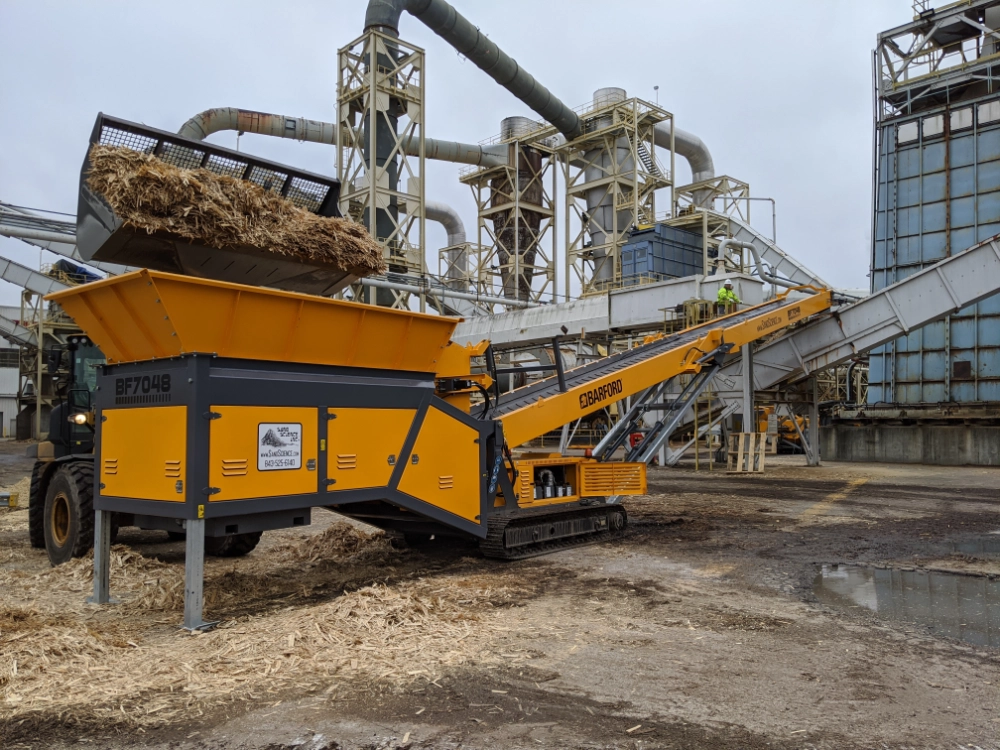
Barford BF7048 Hopper/Feeder
- Features: High-capacity 13-cubic-yard hopper equipped with a hydraulic auger to prevent material bridging.
- Benefits: Ensures a steady, uninterrupted material flow into your crusher to maximize processing efficiency and eliminate downtime.
What Are the Key Types of Bulk Material Handling Equipment for Facilities?
The essential equipment includes conveyor systems for continuous transport, crushers for size reduction, and screening units (like trommels) for sorting. Each category serves a distinct role in the flow of material — transport, reduction, and separation — and choosing the right mix depends on material properties and throughput targets. Conveyor types such as roller conveyors and belt conveyors are integral to these systems, offering flexibility and efficiency in material movement.
Key Specifications and Features of Bulk Material Screening Equipment
Know your full specs before you purchase. Important variables include the ability to process up to target feed, power demands, installation and site logistics (see thorough resources on this), along with choosing screen decks and adjustable settings to achieve output size.
How Conveyor Belt Systems Enhance Material Transport Efficiency
Conveyor belts provide a continuous, automated way to move bulk materials that reduces manual handling and speeds up processing. They can be configured to fit a facility’s layout, improving workflow and space use. Modern systems often incorporate sensors and automation to monitor flow, detect blockages, and integrate with downstream processes for more reliable throughput. Belt conveyors, in particular, are favored for their smooth transport and adaptability to various materials.
Flexible Equipment Solutions: Rental and Purchase Options for Your Project
Comparing Bulk Material Handling Rental Versus Purchase Options
- Flexibility of Renting: Rentals let you scale up or down quickly on short-or mid-term projects, with no large capital commitment required.
- Long-Term Costs of Renting vs. Purchasing: When equipment demand is steady and utilization is high, purchasing can lower per-unit cost over time.
- Asset Ownership Benefits: Buying gives you full control of the asset, no contract constraints, and the option to customize to your specific material needs and aggregate requirements for more efficient installation.
How to Access Maintenance Support for Bulk Material Handling Equipment
Bulk Material Handling: Frequently Asked Questions
What are the safety considerations in bulk material handling operations?
Safety starts with clear procedures: operator training, lockout/tagout, emergency stops, and routine hazard assessments. Use the right PPE and ensure guards and sensors are in place and tested. Regular safety audits and incident reviews help identify gaps and keep teams safer on the job.
How can technology improve bulk material handling processes?
Automation and sensors streamline material flow and reduce manual intervention. Condition monitoring and analytics predict maintenance needs, lowering downtime. Tracking systems improve inventory visibility and help optimize scheduling and throughput, leading to better productivity and lower costs.
What are the environmental impacts of bulk material handling?
Impacts include dust, noise, and energy use. Effective controls (dust suppression, enclosure, proper maintenance, and energy-efficient equipment) reduce environmental footprint. Compliance with local regulations and adopting sustainable practices are essential for responsible operations.
How do different industries utilize bulk material handling solutions?
What role does employee training play in bulk material handling efficiency?
Trained staff operate equipment more safely and efficiently, spot problems early, and perform routine care correctly. Training should cover operation, safety, and basic maintenance, with refreshers as systems or procedures change.
What are the trends shaping the future of bulk material handling?
Trends include greater automation, IoT-enabled monitoring, and a stronger focus on sustainability through energy-efficient drives, reduced emissions, and waste minimization. These advances improve reliability, lower operating costs, and support environmental goals.
Questions on these machines?
Would you like more information on the equipment we offer? Let us know how we can help, and one of our expert sales team will be in contact shortly to answer any questions you may have.