Selecting and Sizing Screening and Crushing Equipment: A Guide
Getting screens and crushers sized correctly is one of the fastest ways to improve throughput, cut downtime, and lower operating costs across construction, aggregate, and recycling operations. This guide covers the criteria you should use to choose the right crushers and screens, proven practices to boost performance, and the key specs to check before you buy. With these points in hand, operators can make better decisions about material handling and flow. We also explain how Sand Science Inc supports equipment selection and sizing for real-world projects.
Crusher Capacity and Selection Criteria
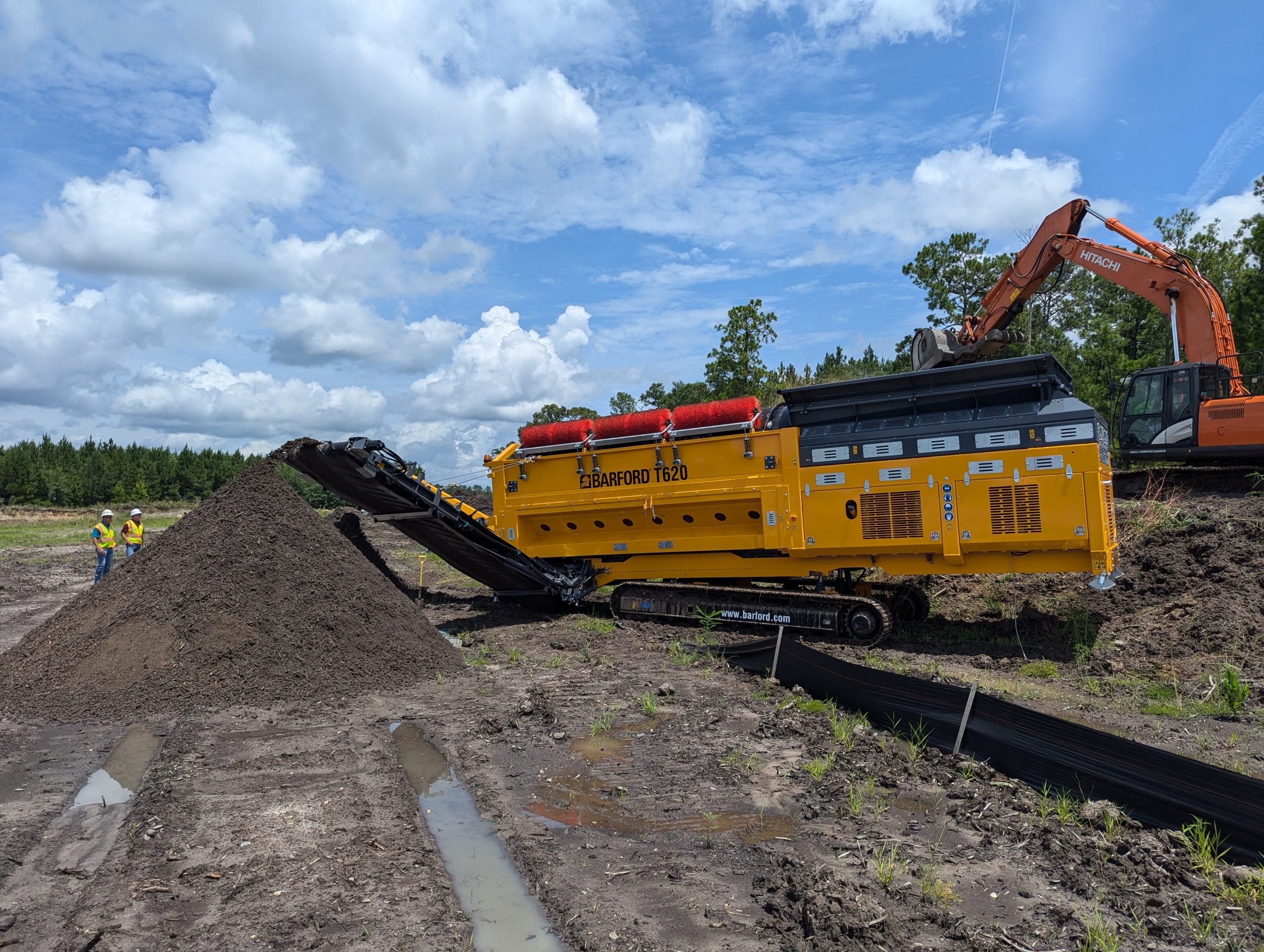
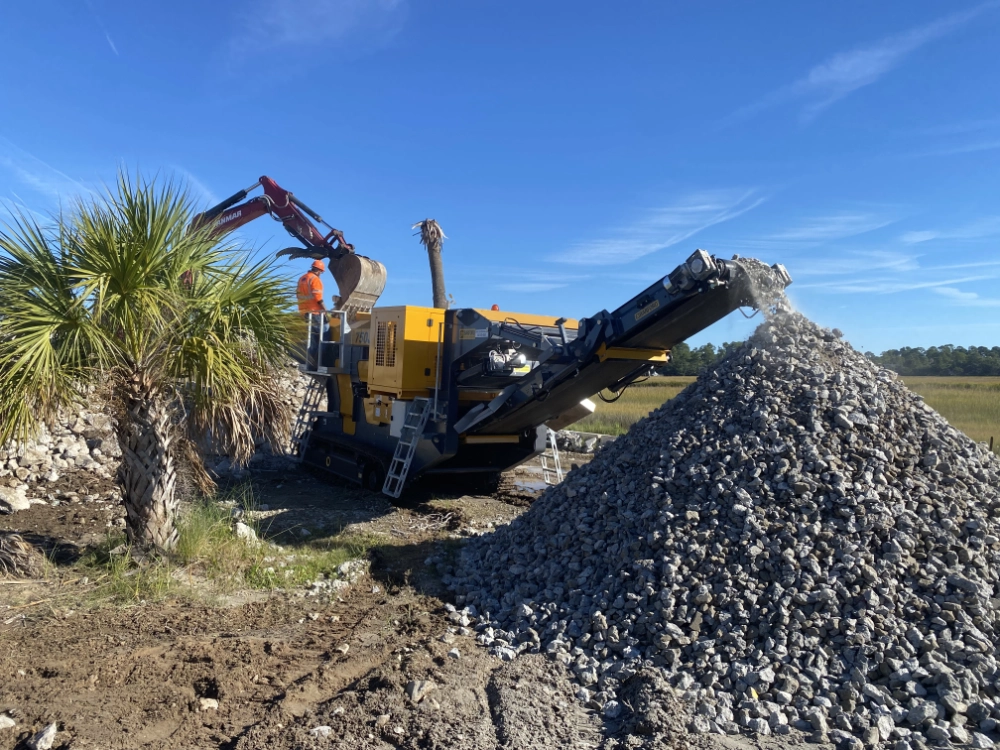
Picking the right crusher starts with the material you feed into it. Hard, abrasive rock like granite usually calls for a jaw or cone crusher, while softer, less abrasive materials such as limestone are often handled effectively by impact crushers.
Throughput estimation is another essential step: match the crusher to the desired output and to the material’s size distribution, hardness, and moisture. Consider mobility needs too, portable plants make sense for sites that move frequently, while stationary installations suit high-volume, long-term operations. A careful evaluation of these factors will help you choose a crusher that delivers the right capacity with the lowest total operating cost.
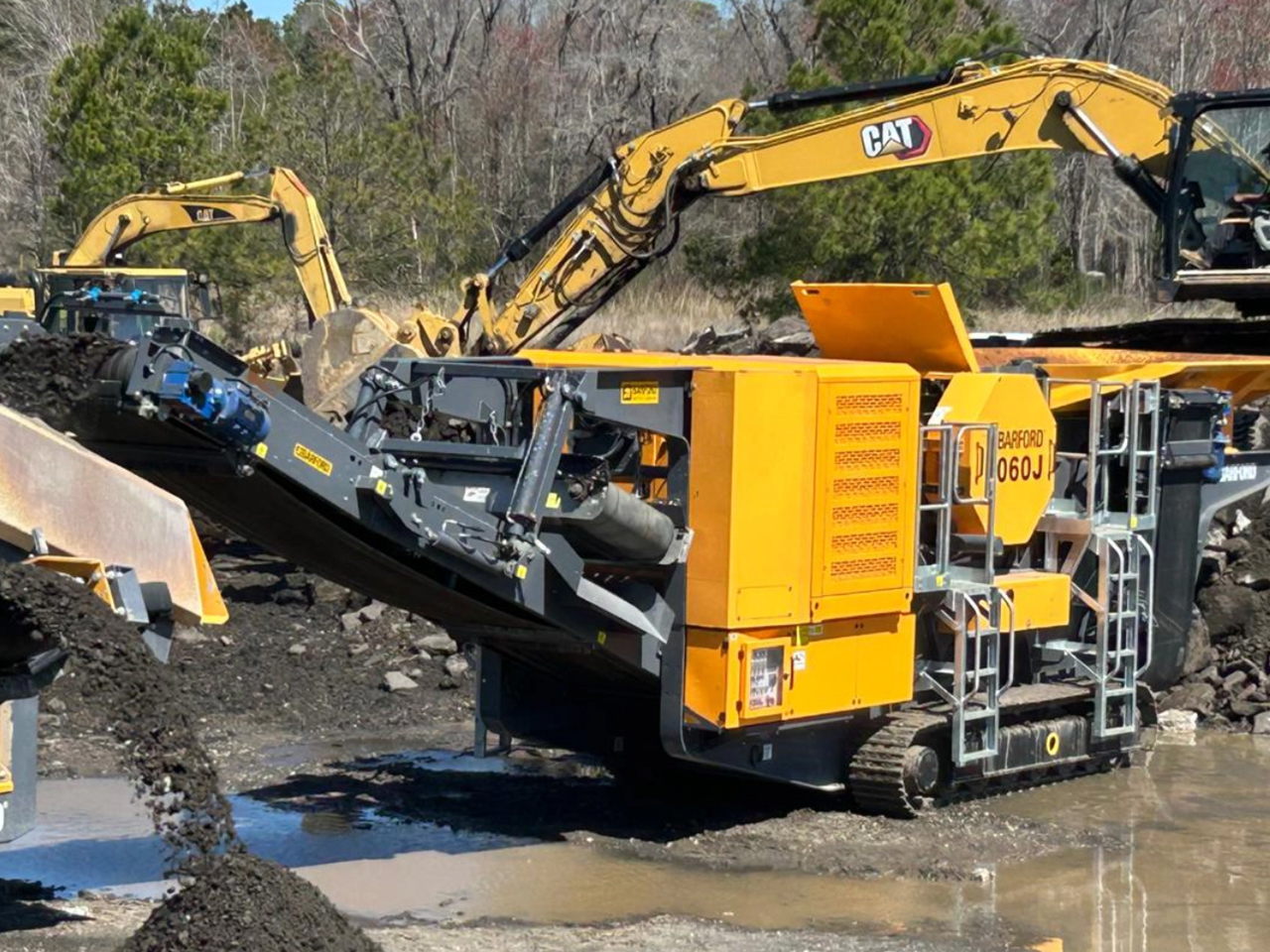
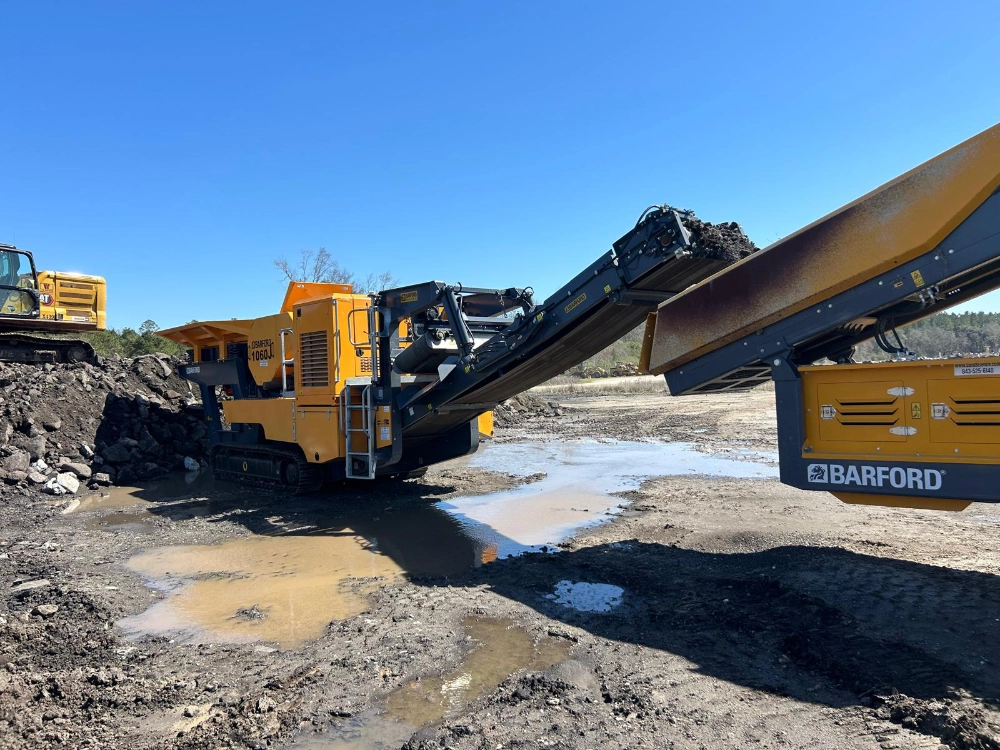
Barford 1060J
Heavy-duty performance built for tough jobs. The Barford 1060J handles hard rock, concrete, and demolition materials with high output and rugged reliability.
MORE…
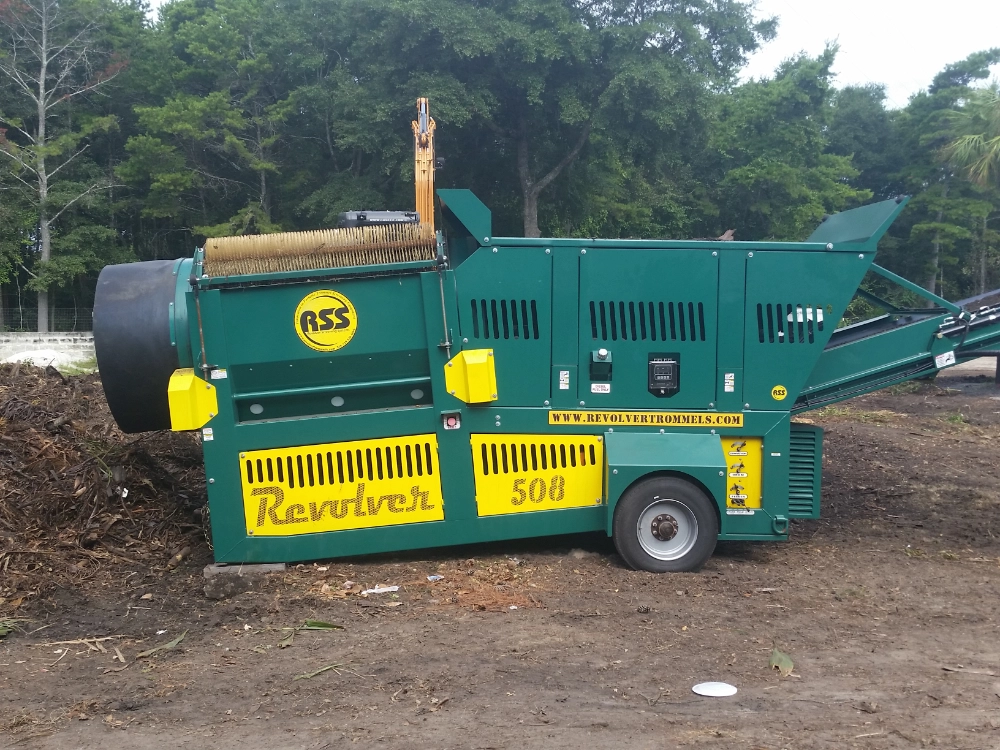
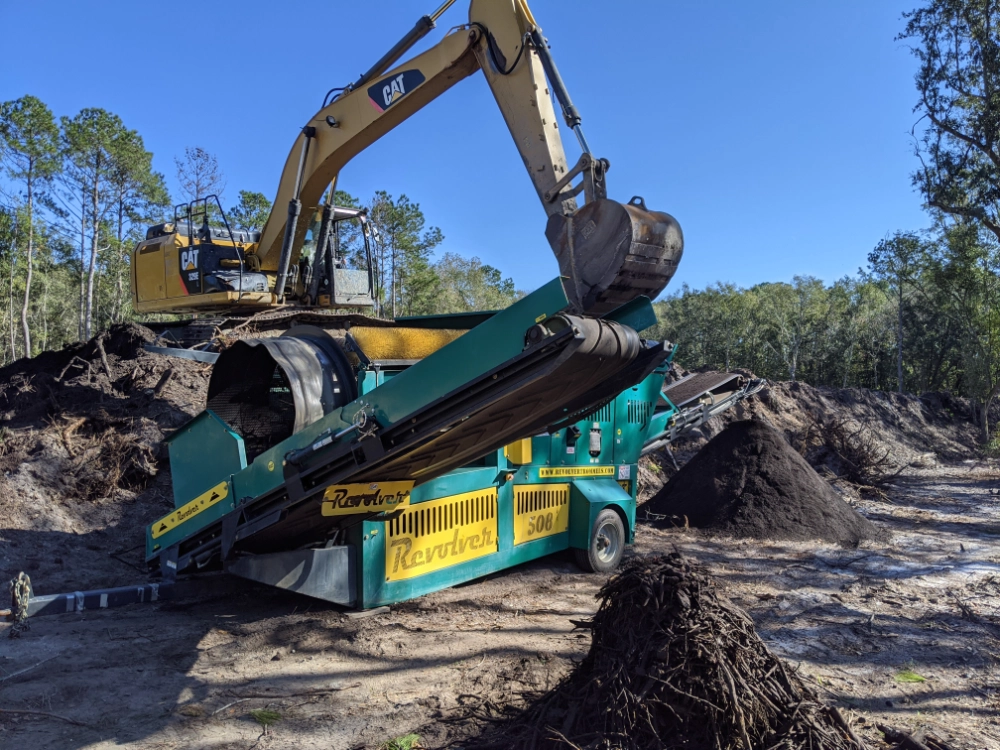
Revolver RT508
Compact power with serious capacity. The Revolver RT508 delivers efficient screening for compost, topsoil, and aggregates, ideal for operations that need versatility on the move.
MORE…
Screening Equipment Selection
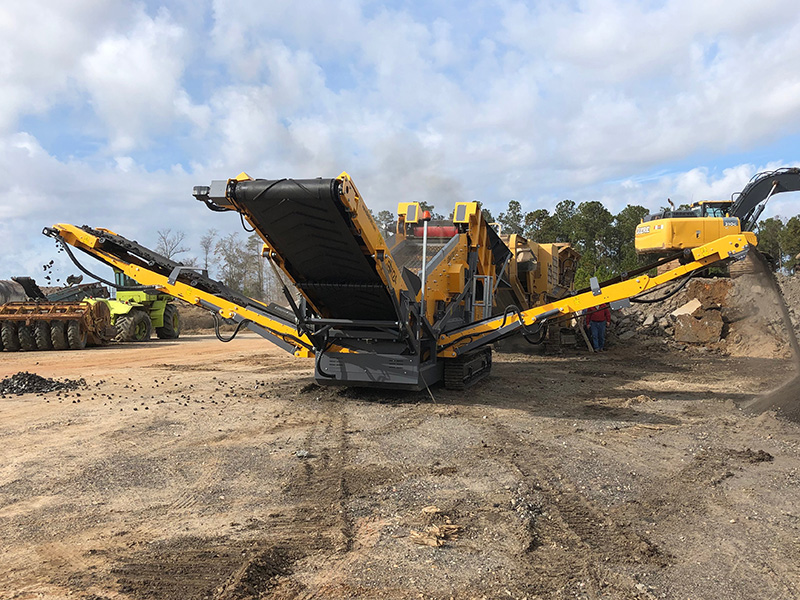
Effective screening separates product sizes, reduces re-crush, and improves overall plant performance. Start by assessing feed characteristics, particle sizes, grading, and moisture content, to determine the correct screen type and mesh size.
Next, define throughput requirements so you select a screen that can handle peak and average volumes without bottlenecks. Compare vibration patterns, screen area, and deck configurations across options to find the best mechanical fit. Following these steps helps ensure your screening equipment supports consistent product quality and steady production.
How Do You Match Screening Equipment to Feed Characteristics?
When evaluating feed characteristics, focus on three key factors that determine the correct screen type, mesh size, and deck configuration for your operation:
- Particle Size Distribution: Identifies the range of sizes in your feed, guiding mesh selection and deck setup.
- Grading: Reveals how evenly material is distributed across size ranges, which affects separation efficiency.
- Moisture Content: Influences screen performance and clogging risk, helping you choose the right screen type for your conditions.
Matching the equipment to your feed ensures cleaner separation, less re-screening, and steadier throughput.
Types of Crushing and Screening Equipment
Portable Equipment
Built for flexibility, portable crushers and screens move with your operation. They’re a strong fit for crews working across multiple job sites, projects with shifting timelines, or locations where space is tight. Quick to set up and break down, these units keep production moving without sacrificing reliability or output.
Stationary Equipment
Designed for fixed facilities running at full capacity, stationary equipment handles heavy, sustained workloads with ease. Their reinforced builds and larger drives support higher tonnage, longer run times, and consistent results. Ideal for operations focused on volume, uptime, and long-term performance at a single location.
Best Practices for Optimizing Performance
To get the most from crushers and screens, adopt these practical practices. Following these basics keeps your plant reliable and productive.
- Regular Maintenance: Scheduled inspections, wear monitoring, and timely parts replacement prevent unplanned downtime and extend equipment life.
- Operator Training: Trained operators run machines more efficiently and spot issues early, improving safety and output.
- Energy Efficiency Options: Select energy-efficient drives and control strategies to reduce fuel or power consumption and lower operating costs.
How Can Advanced Control Systems Improve Crusher Performance?
Industry 4.0 solutions can further optimize crusher operation by balancing feed rates, reducing blockages, and minimizing wasted energy. In aggregate and mining operations, inconsistent feeder flow can cause blockages or overloads, while too-low flow increases specific energy consumption despite low throughput. A control system that balances feed, optimizes energy use, and maximizes capacity helps maintain continuous operation and improves overall efficiency.
When you’re ready to optimize equipment selection, Sand Science Inc offers a range of crushing and screening solutions sized for different material types and throughput targets. Our team can help translate your production goals into a practical, cost-effective equipment plan to manage your processing operations effectively.
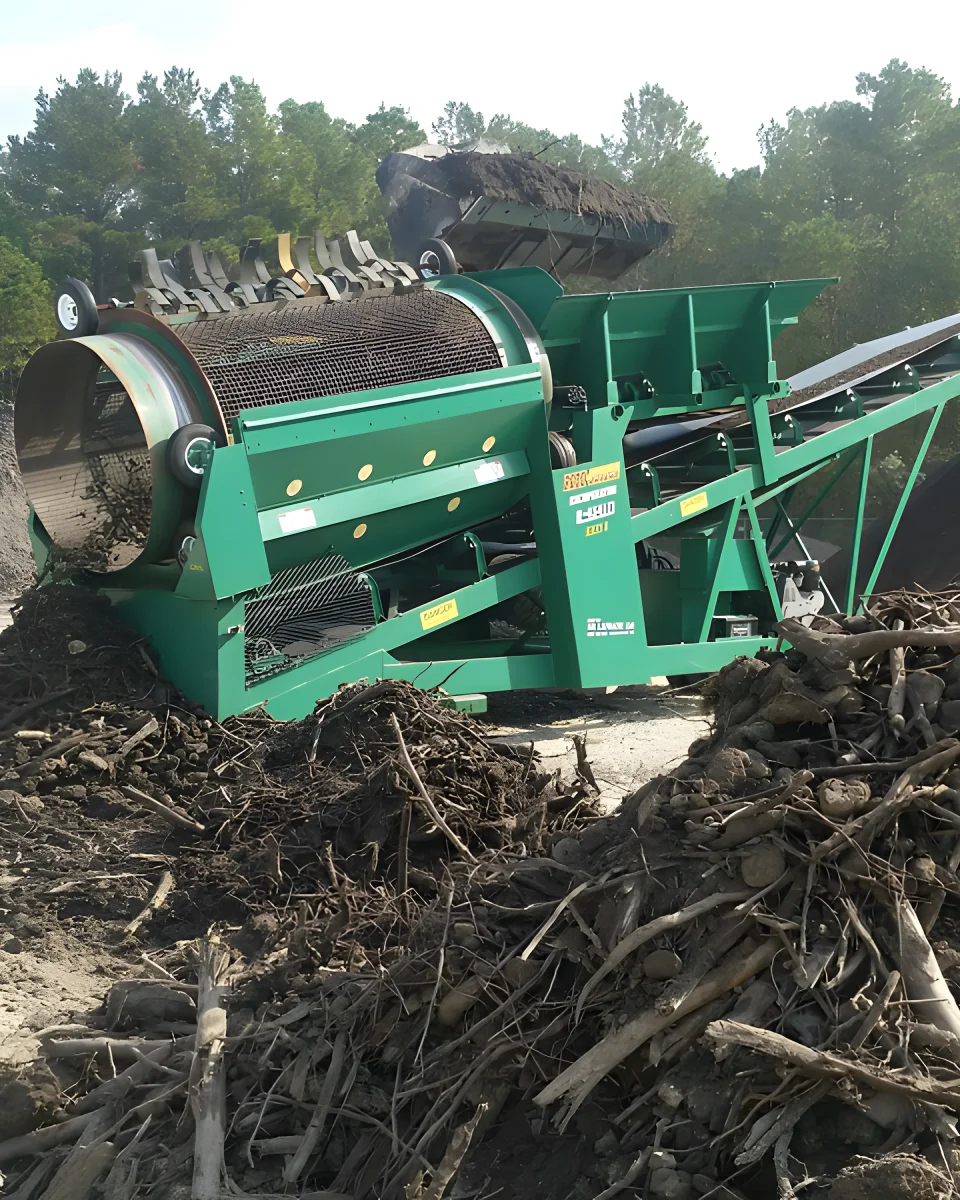
What Should You Consider Before Buying
- Crushing Capacity: The maximum throughput the machine can handle, usually stated in tons per hour. Key to meeting production targets.
- Power Source Options: Whether electric, diesel, or hybrid. Power type affects operating costs, site setup, and mobility.
- Physical Dimensions: Footprint, weight, and transport dimensions influence installation, transport logistics, and on-site fit.
For questions or tailored recommendations, contact Sand Science Inc for expert guidance and support to help you manage your processing needs.
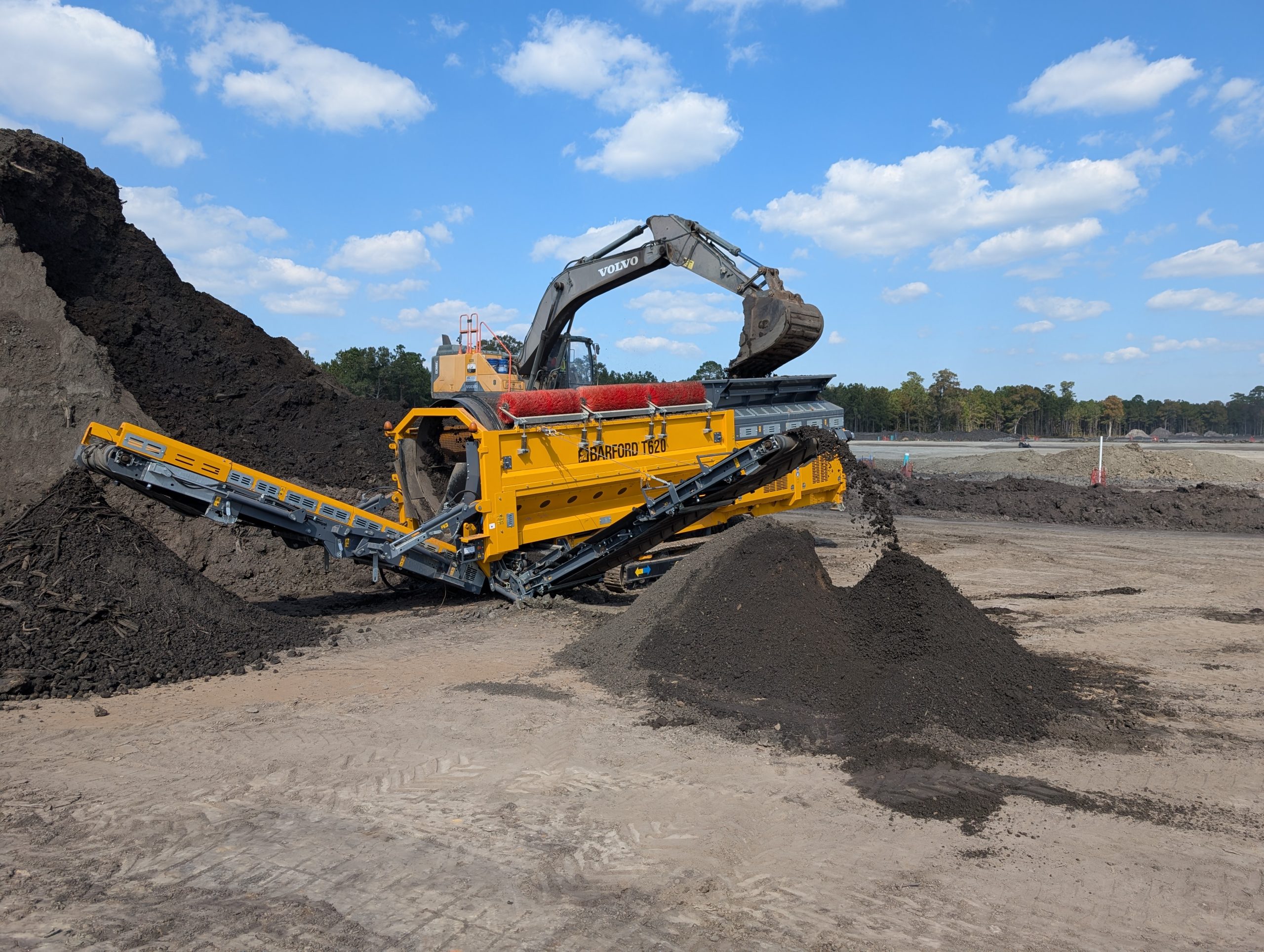
Get in Touch and Explore Our Equipment
Crushing and Screening Equipment: Frequently Asked Questions
What factors should I consider when selecting a portable vs. stationary crusher?
When choosing between portable and stationary crushers, consider factors such as site mobility, production volume, and material type. Portable crushers are ideal for operations that require frequent relocation, allowing for flexibility in various job sites. In contrast, stationary crushers are better suited for high-volume, long-term projects where consistent output is necessary. Additionally, evaluate the infrastructure available at the site, as stationary units may require more extensive setup and support systems compared to their portable counterparts.
How can I determine the right screen mesh size for my material?
To determine the appropriate screen mesh size, assess the characteristics of the material you are processing, including particle size, grading, and moisture content. Conducting a sieve analysis can help identify the distribution of particle sizes, which is crucial for selecting the right mesh. The goal is to choose a mesh that effectively separates the desired product sizes while minimizing the risk of clogging. Consulting with equipment specialists can also provide insights tailored to your specific material and operational needs.
What maintenance practices are essential for maximizing equipment lifespan?
To maximize the lifespan of your crushing and screening equipment, implement regular maintenance practices such as scheduled inspections, wear monitoring, and timely replacement of worn parts. Keeping a maintenance log can help track performance and identify recurring issues. Additionally, ensure that operators are trained to recognize early signs of wear or malfunction. This proactive approach not only extends equipment life but also enhances operational efficiency and reduces the likelihood of unexpected downtime.
What are the energy efficiency options available for crushers and screens?
Energy efficiency options for crushers and screens include selecting energy-efficient drives, utilizing variable frequency drives (VFDs), and implementing advanced control systems that optimize power consumption. These technologies can significantly reduce fuel or electricity usage, leading to lower operating costs. Additionally, consider equipment that features energy-saving modes or automatic shut-off capabilities during idle times. Investing in energy-efficient equipment not only benefits your bottom line but also supports sustainability initiatives within your operation.
How do I evaluate the total operating cost of a crusher or screen?
What role does operator training play in equipment performance?
How can I assess the compatibility of a power source for my equipment?
Questions on these machines?
Would you like more information on the equipment we offer? Let us know how we can help, and one of our expert sales team will be in contact shortly to answer any questions you may have.