Topsoil Screening Equipment and Practices: A Practical Guide for Contractors and Site Managers
Topsoil screening is a core step in construction and site work, making sure soil meets specifications, performance needs, and environmental requirements. This guide walks through the main topsoil screening machines, proven on-site practices, and site-management considerations so contractors and site managers can run cleaner, faster, and more cost-effective operations. You’ll learn how to choose and maintain equipment, when to rent versus buy, and how to handle common challenges like contamination or excessive moisture. For service options or questions, please contact us.
Knowing how to screen topsoil the right way isn’t optional, it’s what keeps fill and finished work on spec without costly rework.
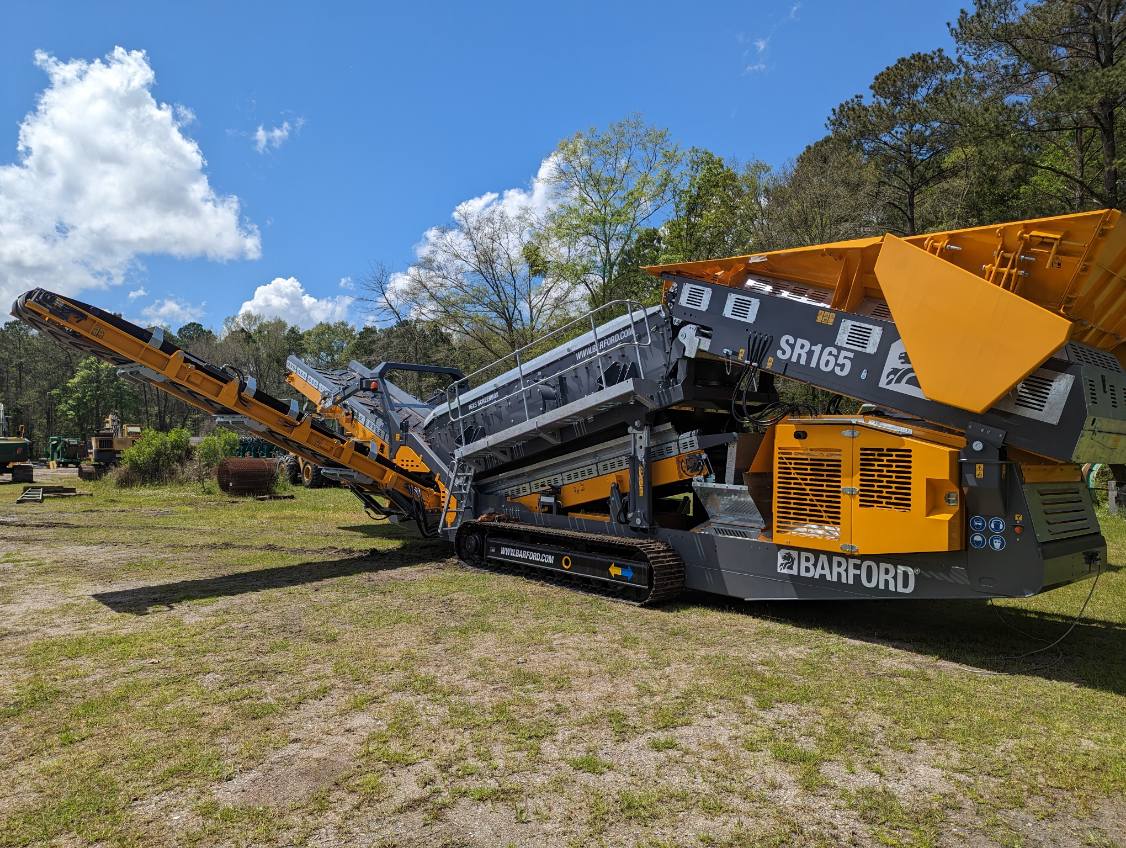
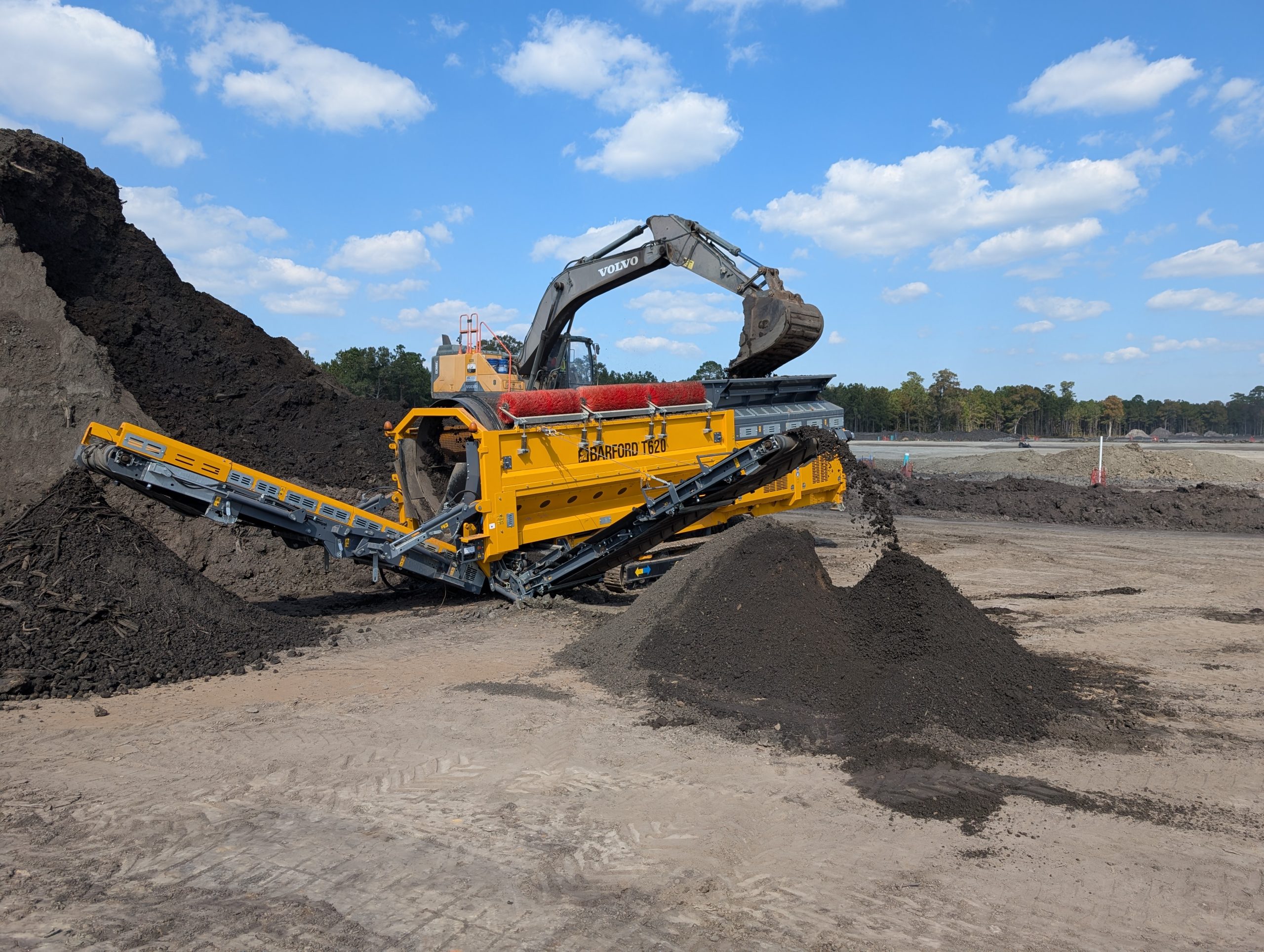
Essential Types of Topsoil Screening Equipment
Screening Equipment
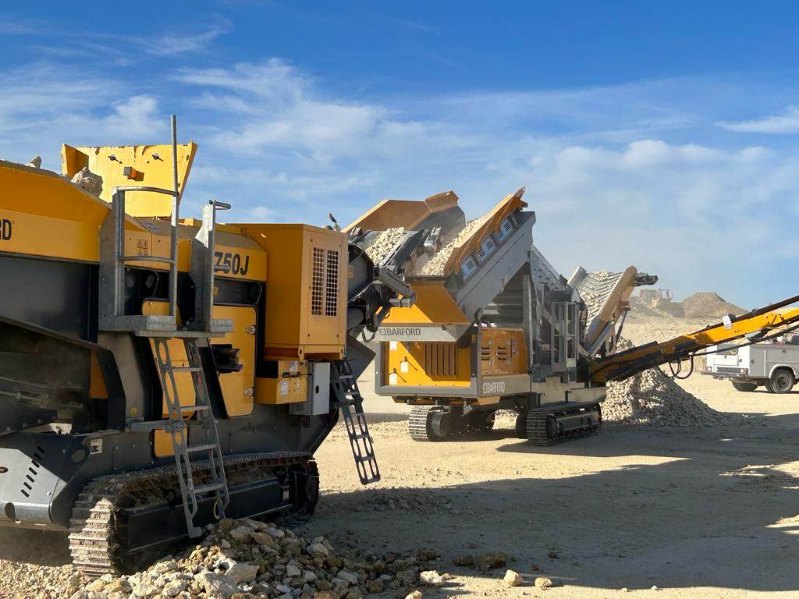
- Crushing Equipment: Crushers reduce oversized material to workable sizes. Portable crushers give you site-to-site flexibility for short-term or staged work. Stationary crushers deliver higher throughput and durability for long-term installations where continuous output is required.
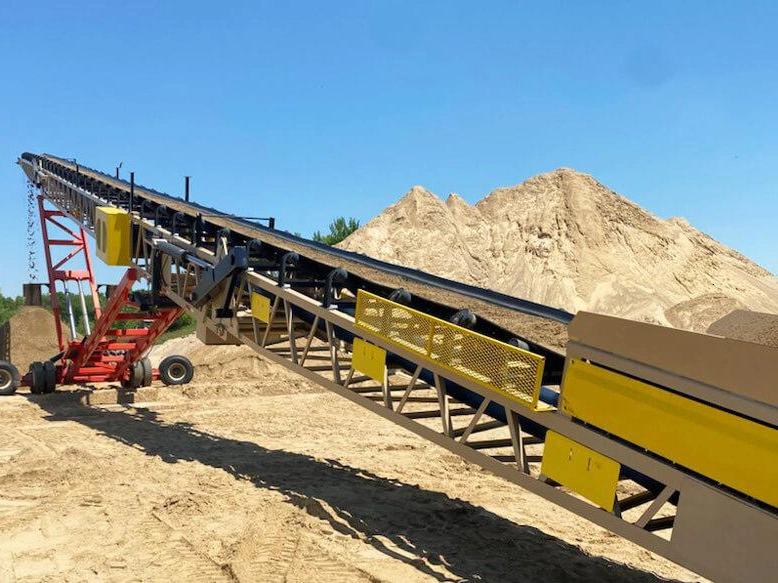
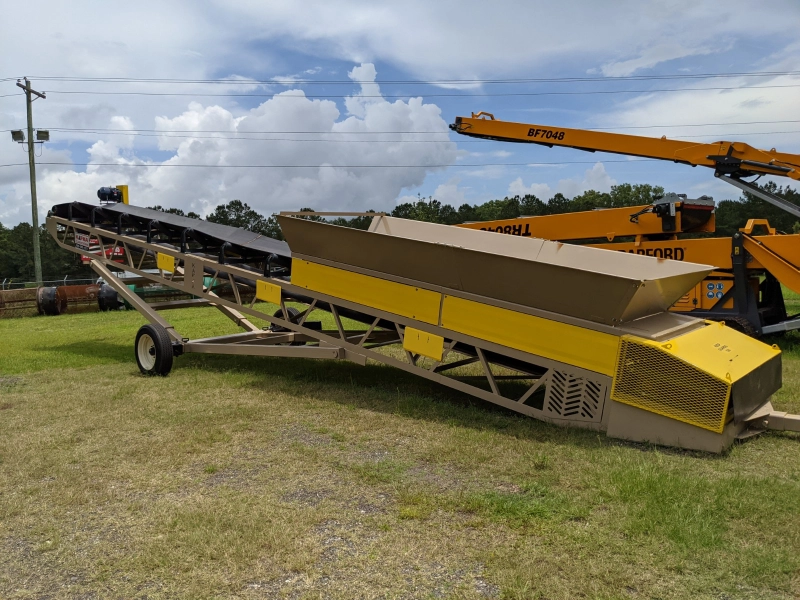
- Support Equipment: Support gear keeps a screening system productive. Conveyors move material efficiently between process steps, cutting handling time and limiting site congestion. When conveyors, hoppers, and feeders are integrated with screening and crushing units, throughput and uptime both improve.
Best Practices for Effective Screening
Follow a few key practices to get consistent results: pick equipment that suits your soil type and volume, keep machines well maintained, and train operators on setup and troubleshooting. Those basics reduce downtime and produce a more uniform product. Specifically, match screen type and mesh size to the material you need, schedule regular inspections and lubrication, and run operator training that covers start-up, shutdown, and basic fault diagnosis. These steps extend equipment life and keep topsoil processing equipment on target.
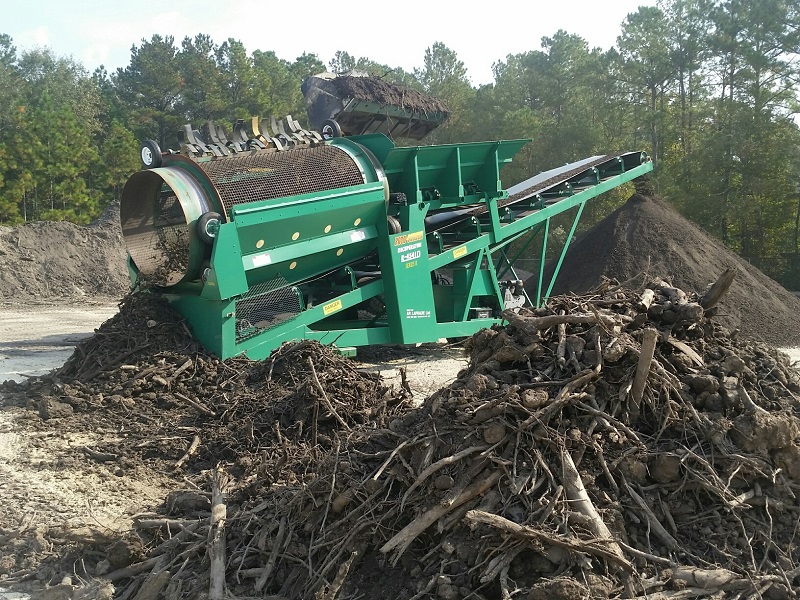
Roto-Screen 454 Trommel Screen
- Features: Rotating drum design for large-volume handling
- Benefits: Processes high soil volumes with forgiving, consistent output
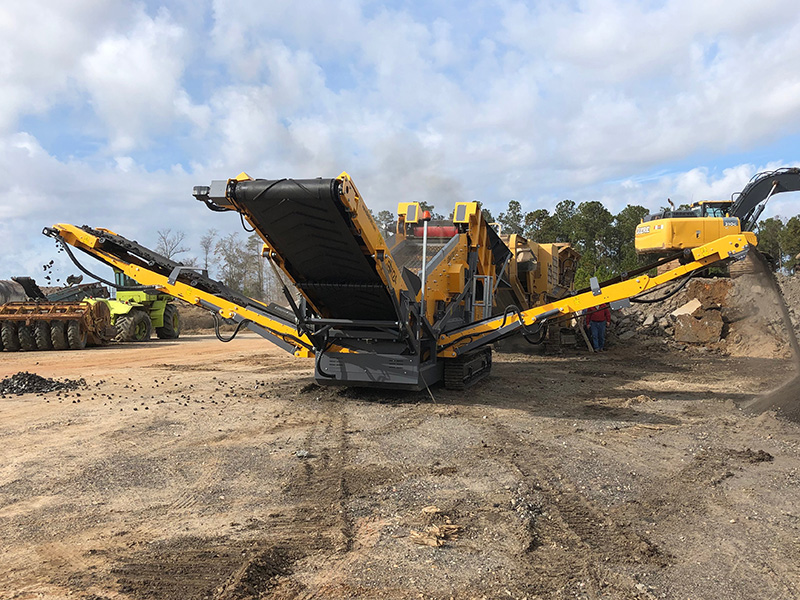
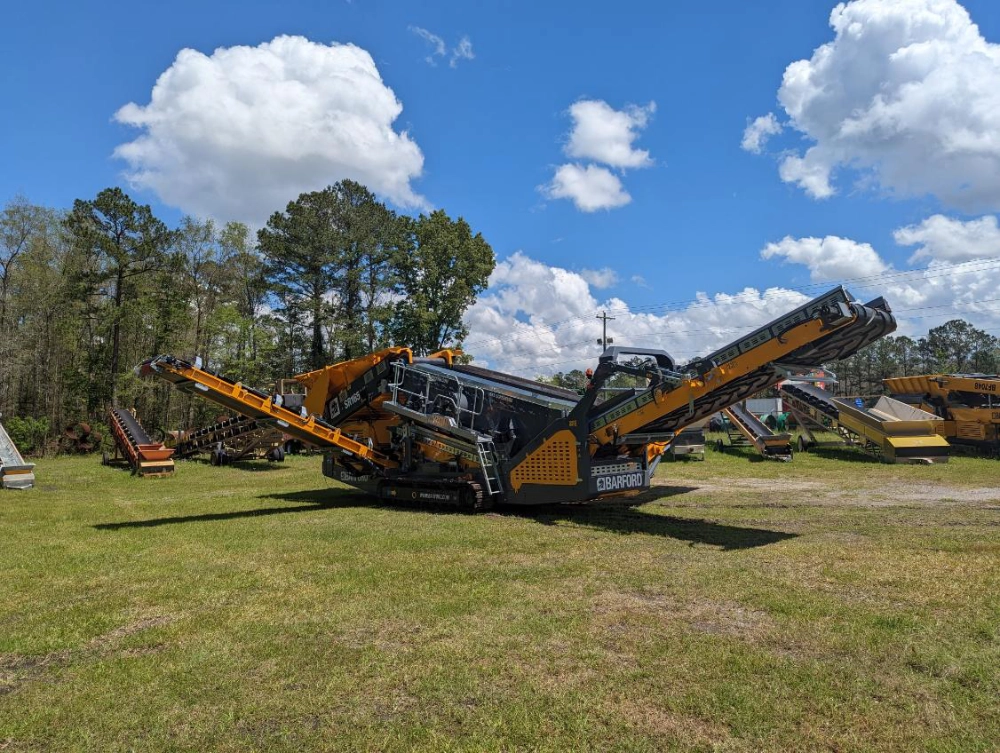
Barford SR124 Track Scalping Screen
- Features: Heavy-duty scalping for oversize removal
- Benefits: Strips out debris up front to protect downstream equipment
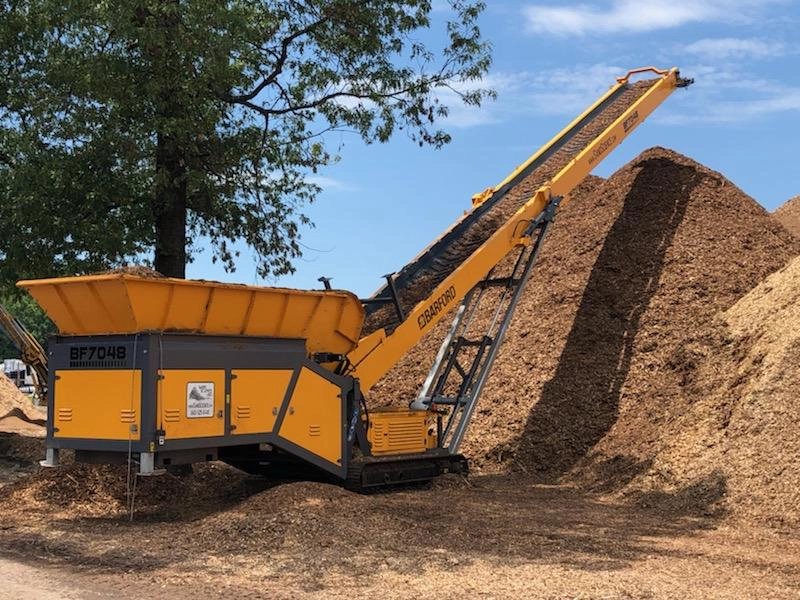
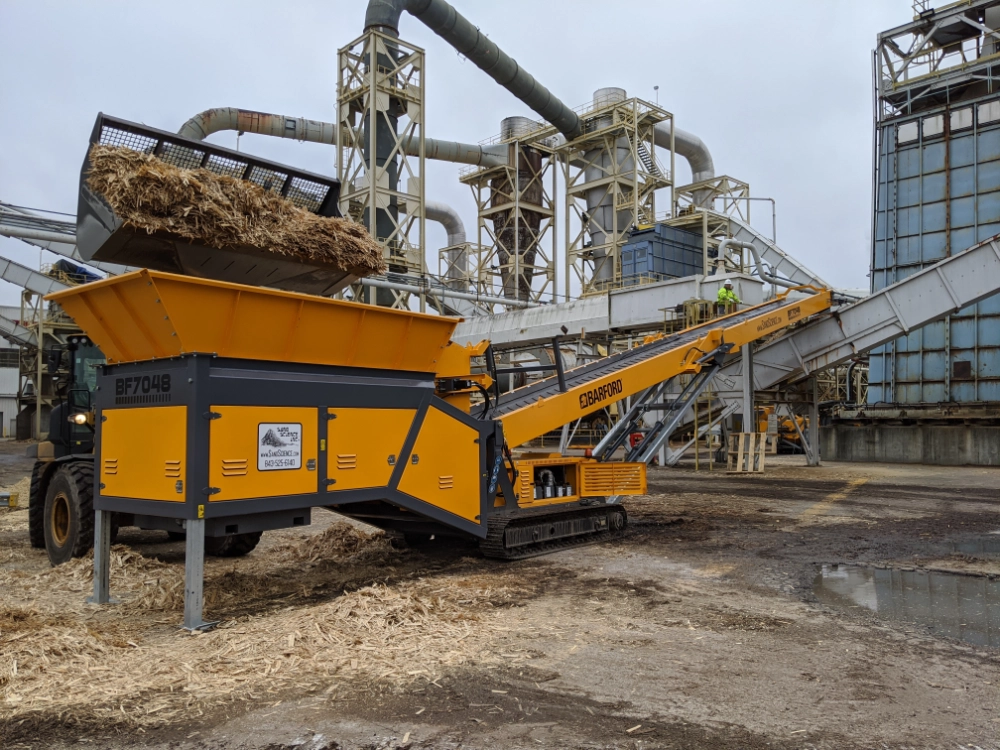
Barford BF7048 Hopper Feeder
- Features: High-capacity feed hopper
- Benefits: Keeps material flowing steadily into the screening line
What Are the Rental Options for Portable Soil Screeners?
Rental options range from short-term daily hires to multi-month agreements, often with delivery, setup, and support included. That flexibility helps contractors match equipment to project timelines without long-term capital commitments. Renting is cost effective for short or occasional jobs, giving access to high-capacity gear without capital expense.
Rental options and what to compare
When evaluating rentals, compare availability, included services, damage and maintenance clauses, and replacement policies to ensure you get the right machine with reliable support.
How Do Portable Topsoil Screeners Enhance Site Efficiency?
Portable screeners boost productivity by allowing on-site topsoil processing. You avoid hauling soil back and forth, reduce transport costs, and speed up turnaround. Mobility also lets you reposition equipment as the job progresses, keeping screening close to the work face. Portable units typically set up quickly and let crews react to changing site needs without long delays.
Key considerations for site management
Good site planning improves outcomes. Account for site constraints, environmental rules, and workflow when laying out screening operations. Survey access, working space, and haul routes to select appropriately sized equipment. Confirm local permitting and waste-handling requirements before work begins. Streamlining material flow and minimizing rehandling are simple ways to cut time and cost.
Should Contractors Rent or Purchase Soil Screening Equipment?
The rent-vs-buy choice depends on frequency of use, cash flow, and project duration. Renting is cost effective for short or occasional jobs. Buying makes sense when you have steady, long-term demand and want lower unit costs over time. Run a simple cost comparison that includes rental fees, maintenance, storage, and expected resale value. That will highlight the most economical path for your operation.
Comparing Rental and Purchase Solutions for Screening Equipment
- Lower Initial Investment: Rentals remove large capital outlays and simplify budgeting.
- Flexible Equipment Choice: Choose the best machine for the task without being locked into one model.
- Access To Current Technology: Rentals let you use up-to-date equipment and upgrades without ownership responsibility.
How to Inquire and Access Support for Soil Screening Equipment
Topsoil Screening: Frequently Asked Questions
What factors should contractors consider when choosing topsoil screening equipment?
Start with the soil type and the size of the job. Then factor in throughput needs, site access, mobility, and how the machine will integrate with other equipment. Also consider maintenance demands, spare-part availability, and environmental requirements so the chosen equipment performs reliably on your sites.
How can contractors ensure compliance with environmental regulations during soil screening?
Know local rules on soil movement, testing, and disposal before you start. Use dust suppression, proper stockpile management, and documented testing procedures. Train crews on environmental protocols and keep records of soil sampling and disposal to demonstrate compliance.
What maintenance practices are essential for topsoil screening equipment?
Regular inspections, greasing and lubrication, screen cleaning, and hydraulic checks are basic but essential. Replace wear parts on schedule and keep a maintenance log. Preventive upkeep prevents small issues from becoming project-stopping failures.
What are the common challenges faced during soil screening operations?
Varying soil types, high moisture, contamination, and unexpected oversize material are common problems. These can cause clumping, reduced throughput, and extra processing. Plan for contingencies, adjust screening methods, use drying or pre-treatment where possible, and have backup equipment or workflows ready.
How does the choice between renting and purchasing equipment impact project budgets?
What role does operator training play in the effectiveness of soil screening operations?
Questions on these machines?
Would you like more information on the equipment we offer? Let us know how we can help, and one of our expert sales team will be in contact shortly to answer any questions you may have.