Mulch Processing Equipment: A Guide to Efficient Production
Efficient mulch processing is a cornerstone of producing high-quality organic mulch. This guide explains the core equipment types, their typical uses, and practical tips for safe operation and routine upkeep. You’ll learn how grinders differ from shredders, how to match machines to your materials and output needs, and why consistent maintenance and safety practices matter. Applied correctly, these insights help operations boost throughput and maintain product consistency, supporting healthy plant growth and soil moisture retention.
What Are the Key Types of Mulch Processing Equipment?
How Do Mulch Grinders and Mulch Shredders Differ in Function?
- Finer Mulch Output: Grinders use sharp cutting elements to create smaller, more uniform particles when a consistent mulch texture is needed.
- Coarser, Faster Processing: Shredders tear material into larger, more irregular pieces, which can work well for coarser mulch or higher-throughput applications.
- Material and End-Use Fit: The right choice depends on the feedstock and the desired final product, with grinding also helping speed decomposition and improve moisture retention around plant roots.
Common Mulch Processing Equipment Categories
Mulch processing equipment includes grinders, shredders, wood chippers, and screening systems. Different machine types support different materials, throughput goals, and end-product specifications, making equipment selection an important part of efficient organic mulch production.
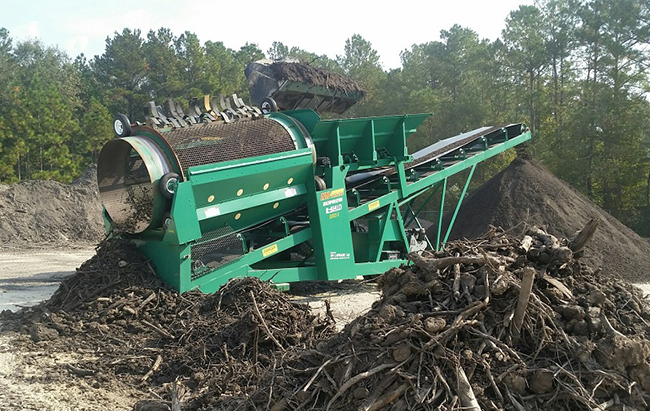
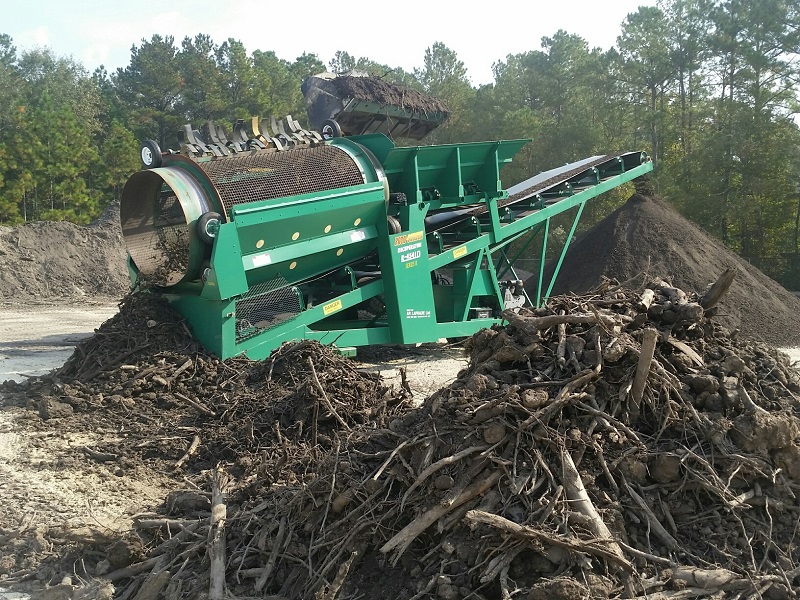
Roto-Screen 454
Stronger, more versatile, and easier to use—Roto-Screen delivers reliable performance and big savings that boost your bottom line.
MORE…
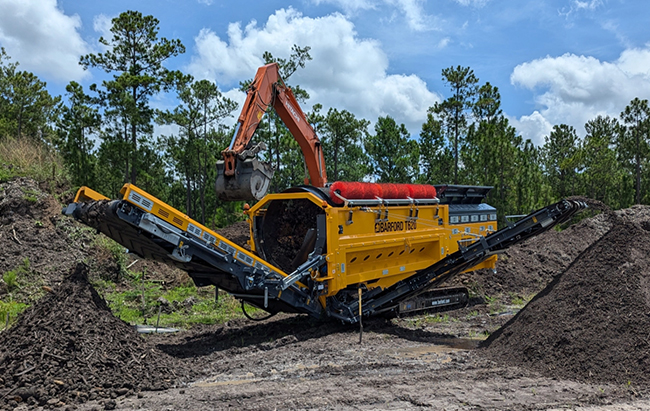
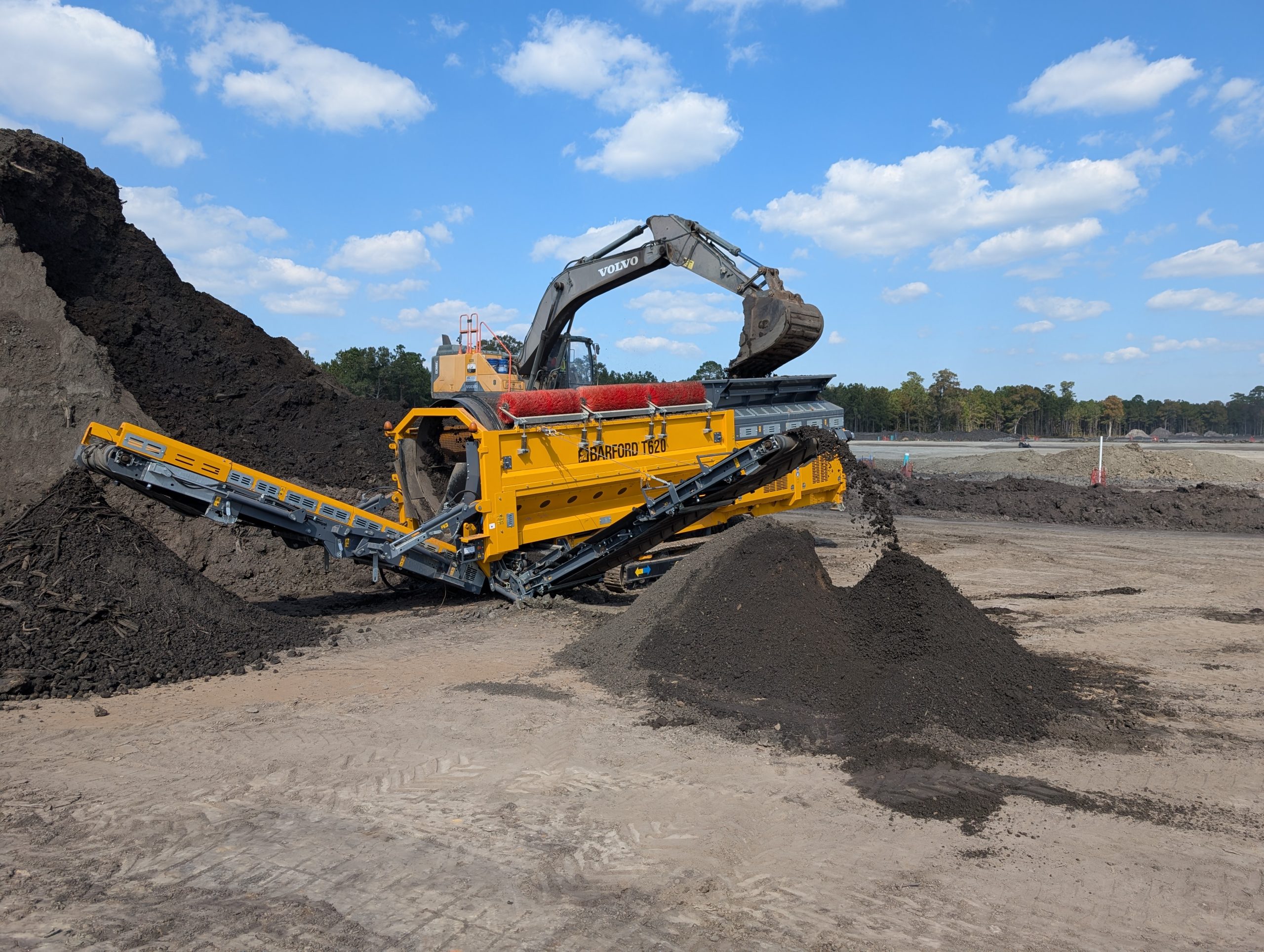
Barford T620
Barford T620 delivers high-output screening power with cutting-edge tech—perfect for topsoil, mulch, compost, and more, anywhere you need it.
MORE…
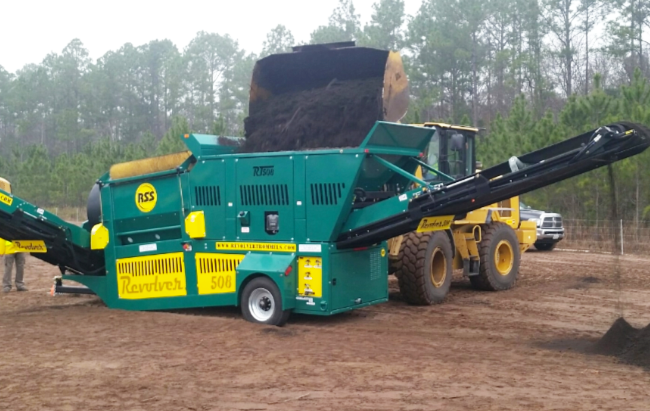
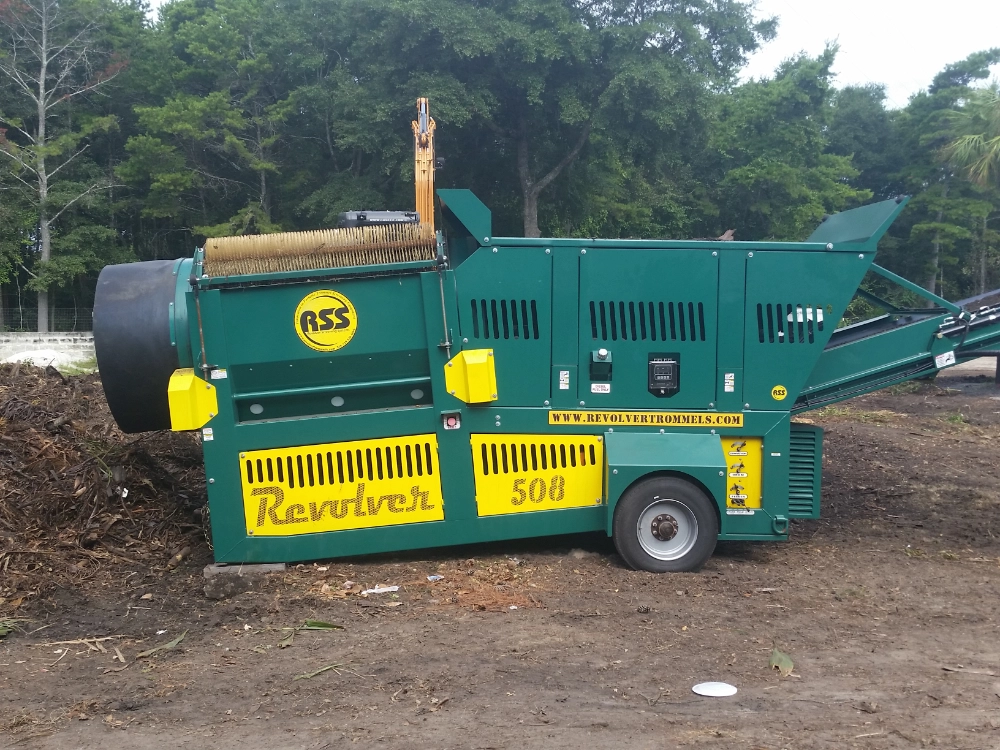
Revolver RT508
Revolver RT508 packs big-machine features into a compact, portable design—efficient, rugged, and built for high-output screening at low cost.
MORE…
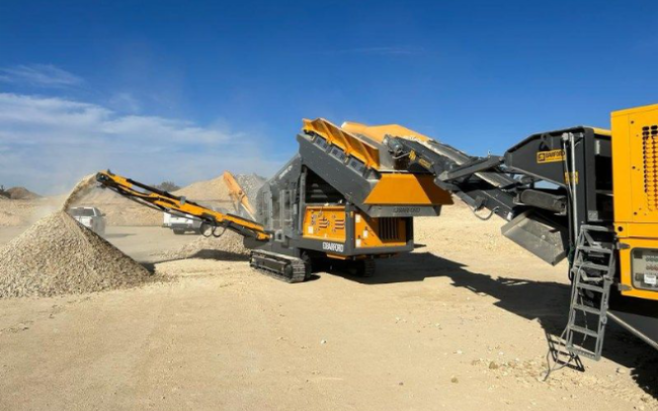
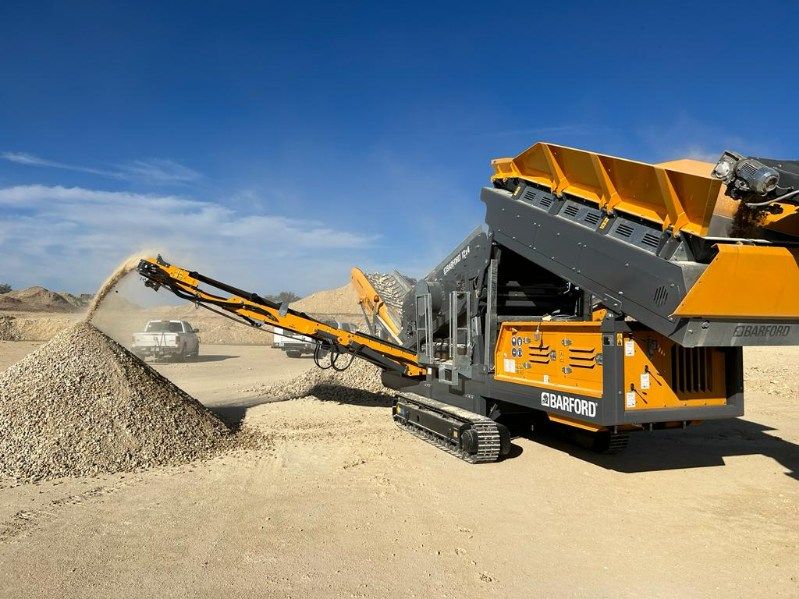
Barford SR124
Delivers up to 300TPH with a large double-deck screen in a compact design. Easily screen three products from soil, sand, rock, and more—ideal with Barford crushers.
MORE…
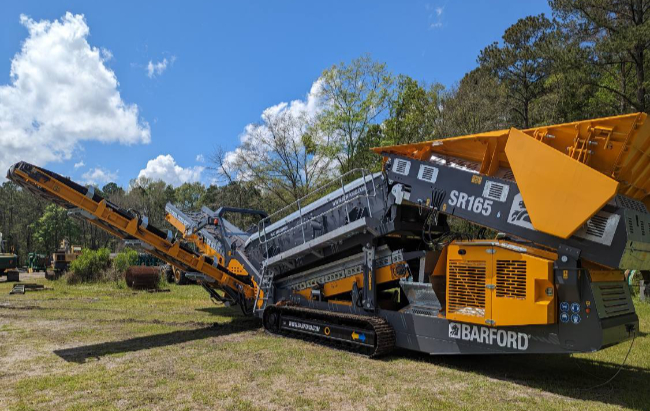
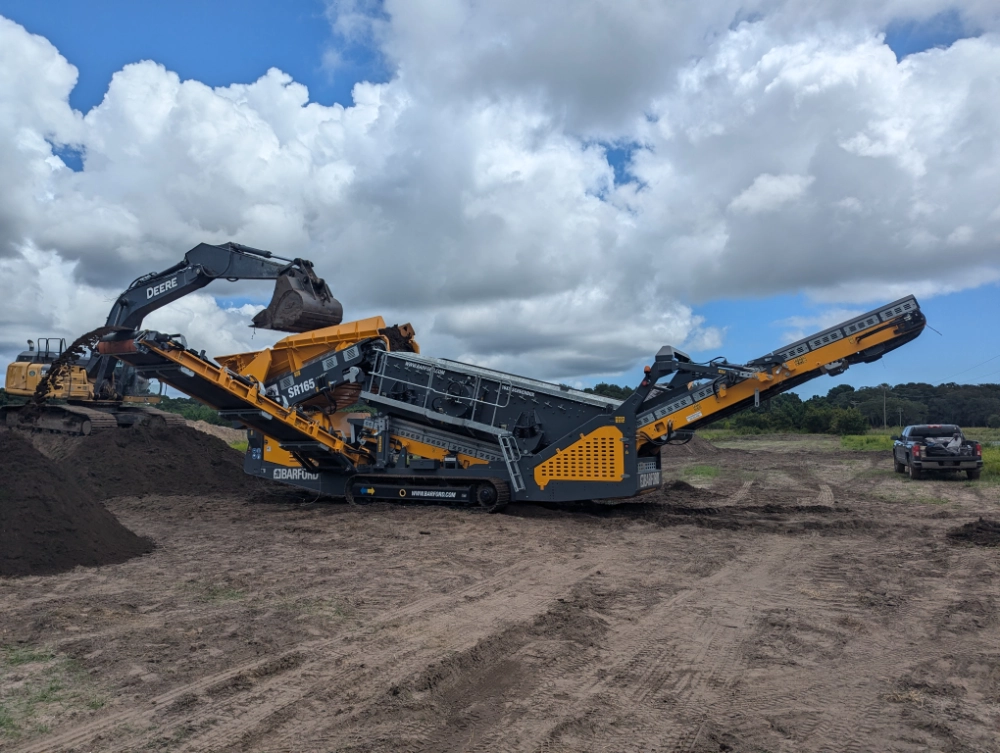
Barford SR165
A full-size scalping screener with 600TPH capacity. Screen three products easily from tough materials—perfect when paired with a Barford crusher for maximum versatility and output.
MORE…
How to Choose the Right Mulch Processing Equipment for Your Needs
Selecting the right equipment starts with your materials and output goals. Consider feedstock type, target mulch size, daily throughput, and site constraints. Evaluating machine capabilities, maintenance demands, and energy use will help you align equipment choice with operational objectives and total cost of ownership. For example, a mill or grinder suited to your feedstock can optimize grinding efficiency and improve the quality of mulch that supports water retention and root health.
What Factors Influence Equipment Selection for Organic Mulch Production?
- Capacity Requirements: Estimate the daily or seasonal volume you need to process to size machines for reliable throughput.
- Material Compatibility: Match machine design to the feedstock—green waste, woody material, or mixed inputs—to avoid jamming and premature wear.
- Operational Efficiency: Compare energy use, cycle time, and maintenance intervals to identify equipment that minimizes downtime and operating costs.
Key Applications of Wood Chippers and Screening Equipment
Wood chippers convert branches and woody debris into chips that can be processed into mulch or used as-is. Screening equipment sorts finished material by size, removing oversized debris and producing a consistent, saleable product. Together these machines support landscaping, agriculture, municipal green-waste programs, and on-site construction recycling by streamlining material handling and improving product uniformity. Properly chipped and screened mulch helps maintain soil moisture around trees and plants, promoting healthy root systems.
How Mulch Processing Improves Efficiency
Industry trends and case studies show where investments deliver the most value. Sustainability, automation, and smarter material handling are common themes driving efficiency gains across the sector. These trends also emphasize the role of mulch in enhancing soil moisture and supporting plant and tree root systems through improved decomposition and composting processes.
Should You Opt for Equipment Rental or Purchase?
Deciding between renting and buying depends on workload, budget, and long-term plans. Renting can be economical for short projects, seasonal peaks, or when you need to test a machine before committing. Purchasing can lower costs over time for operations with steady demand, and it offers full control over maintenance and customization.
Comparing Rental and Purchase Options for Mulch Processing Equipment
- Cost Considerations for Renting: Renting is economical for short projects, seasonal peaks, or when you need to test a machine before committing.
- Long-Term Benefits of Purchasing: Purchasing can lower costs over time for operations with steady demand, and it offers full control over maintenance and customization.
- Operational Fit: Choosing the right path depends on feedstock, output goals, budget, and long-term production plans. This decision shapes total cost of ownership and day-to-day efficiency.
Get in Touch and Explore Our Equipment
Mulch Processing Equipment: Frequently Asked Questions
What are the environmental benefits of using organic mulch?
Using organic mulch offers several environmental benefits, including moisture retention in the soil, which reduces the need for frequent watering. It also suppresses weed growth, minimizing the need for chemical herbicides. Additionally, organic mulch decomposes over time, enriching the soil with nutrients and improving its structure. This process supports healthy plant growth and enhances biodiversity in garden ecosystems. By using organic materials, you also contribute to waste reduction and promote sustainable gardening practices.
How can I improve the efficiency of my mulch processing operation?
Improving the efficiency of your mulch processing operation can be achieved through several strategies. First, ensure that you are using the right equipment for your specific feedstock and desired output. Regular maintenance of machines is crucial to prevent breakdowns and ensure optimal performance. Implementing a well-organized workflow can also enhance productivity, such as optimizing material handling and storage. Finally, consider training your staff on best practices and safety protocols to minimize downtime and improve overall operational efficiency.
What types of feedstock are best for mulch production?
For mulch production, the best types of feedstock include a mix of green waste, woody materials, and agricultural residues. Green waste, such as grass clippings and leaves, provides nitrogen, while woody materials like branches and bark add carbon, creating a balanced mulch. Agricultural residues, such as straw or corn stalks, can also be effective. It’s essential to ensure that the feedstock is free from contaminants and diseases to produce high-quality mulch that is safe for use in gardens and landscaping.
What are the common challenges faced in mulch processing?
Common challenges in mulch processing include equipment malfunctions, material contamination, and inconsistent feedstock quality. Equipment breakdowns can lead to costly downtime, while contaminated materials can compromise the quality of the final product. Additionally, variations in feedstock can affect processing efficiency and the uniformity of the mulch produced. To mitigate these challenges, regular maintenance, thorough inspections, and quality control measures should be implemented to ensure smooth operations and high-quality output.
How does mulch processing impact soil health?
What safety measures should be taken when operating mulch processing equipment?
Questions on these machines?
Would you like more information on the equipment we offer? Let us know how we can help, and one of our expert sales team will be in contact shortly to answer any questions you may have.